France school protests 2026: Tear‑gas clash in Paris sparks concerns for African‑origin students and national politics
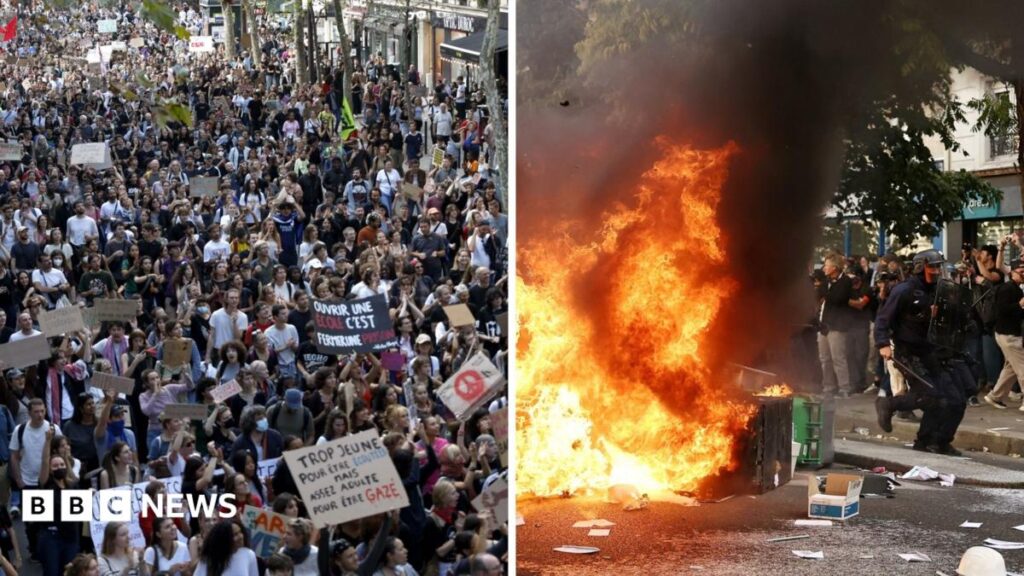
Why French pupils took to the streets
The unrest began in early September when the Ministry of Education announced a sudden overhaul of the high‑school curriculum, tightening grading rules and extending mandatory internships. Students argued the changes would widen the gap between affluent schools and those in poorer suburbs, where many families rely on the current system to keep tuition affordable.
At the same time, the government’s broader pension reform, which raised the retirement age to 64, added fuel to the fire. Young people, still in school, felt they were being asked to shoulder the burden of policies that would affect their future earnings, while older voters seemed to benefit from the same reforms.
Social media amplified the grievances, with hashtags like #EcoleEnColere and #JusticePourNosLyceens trending across France and among French‑speaking communities in West Africa. The online mobilisation turned a series of local demonstrations into a nationwide movement within days.
The police response and the use of tear‑gas
On October 5, police units equipped with riot gear converged on a protest outside Lycée Montaigne in Paris’s 15th arrondissement. Demonstrators had erected barricades and were chanting slogans when officers deployed flash‑bangs and, for the first time since the 2023 pension protests, tear‑gas canisters.
Video footage captured by on‑lookers shows dozens of students scrambling for cover while some attempted to document the clash on their phones. According to a statement from the Paris Prefecture, the force used “necessary measures to restore public order,” but human‑rights groups have called the response “disproportionate.”
The incident sparked a wave of solidarity protests in other cities, from Lyon to Marseille, where students repeated the same tactics of sit‑ins and marches, often meeting a similar police presence. In several cases, authorities opted for a negotiated pause rather than escalating force, indicating a growing awareness of the political cost of a hard‑line approach.
Who is most affected – African‑origin students and the diaspora
A significant share of the demonstrators comes from France’s banlieues, neighborhoods where many families trace their roots to former French colonies in West and Central Africa. In schools such as Lycée Jean‑Jaurès in Saint‑Denis, more than 60% of pupils have at least one parent born in Senegal, Mali or the Ivory Coast.
For these students, the curriculum changes threaten not only academic progression but also the limited pathways to university scholarships that rely on current grading structures. Parents worry that tighter rules could curtail the few opportunities they have to break the cycle of inter‑generational poverty.
The diaspora in France’s capital has also taken to the streets in support, organising community vigils and providing legal aid to arrested protesters. In London’s Southall district, a coalition of French‑speaking African NGOs hosted a virtual town‑hall to discuss how the unrest could affect migration patterns, fearing that a prolonged crackdown might push some families to seek residence elsewhere in Europe.
Political reverberations – a test for President Macron’s government
The protests arrive at a delicate moment for President Emmanuel Macron, who is gearing up for the 2027 legislative elections. His coalition’s slim majority in the National Assembly makes any loss of public confidence potentially fatal, especially among younger voters who traditionally lean left.
Opposition parties, notably La France Insoumise and the Greens, have seized on the police‑tear‑gas footage to accuse the government of “authoritarian drift.” In a televised debate last week, Marine Le Pen warned that “law‑and‑order rhetoric is being weaponised against France’s own children.”
Analysts note that the unrest could reshape the political landscape by galvanising a new generation of activists. A recent poll by IFOP shows that 48% of 18‑ to 24‑year‑olds now view the government as “out of touch,” up from 31% a month earlier, suggesting that the school protests may have a lasting impact on voter sentiment.
What could happen next – negotiations, policy tweaks, or deeper unrest?
The Education Ministry has announced a “listening commission” that will meet with student representatives, teachers’ unions and NGOs within the next ten days. Sources close to the ministry say the commission may propose a phased implementation of the new curriculum, allowing schools in disadvantaged areas more time to adapt.
However, activists remain skeptical. A spokesperson for the student union Union Nationale des Lycéens warned that any half‑measures would be rejected on the streets, insisting that “real change must come from the top, not from a compromise that still favours elite schools.”
If negotiations stall, the risk of a broader social movement looms. Past French protests have shown that student unrest can quickly merge with labor strikes, as seen in 2019 and 2023. For African‑origin communities, prolonged instability could affect employment prospects, housing security and even the perception of France as a destination for skilled migrants from the continent.
Quick Answers
Why did French high‑school students protest in October 2026?
Students marched against a sudden curriculum overhaul and the government's pension reform, which they say threaten educational equity and future job prospects.
How were police forces involved in the Paris school protest?
Police used flash‑bangs and tear‑gas to disperse demonstrators outside Lycée Montaigne, marking the first use of tear‑gas in French school protests since 2023.
What impact could the protests have on African‑origin communities in France?
The reforms could limit scholarship opportunities for many students from West‑African backgrounds, while the crackdown may prompt diaspora families to reconsider staying in France.
Source: www.bbc.co.uk




💬 Comments 0