French school protests June 2026: Paris students strike over education reform
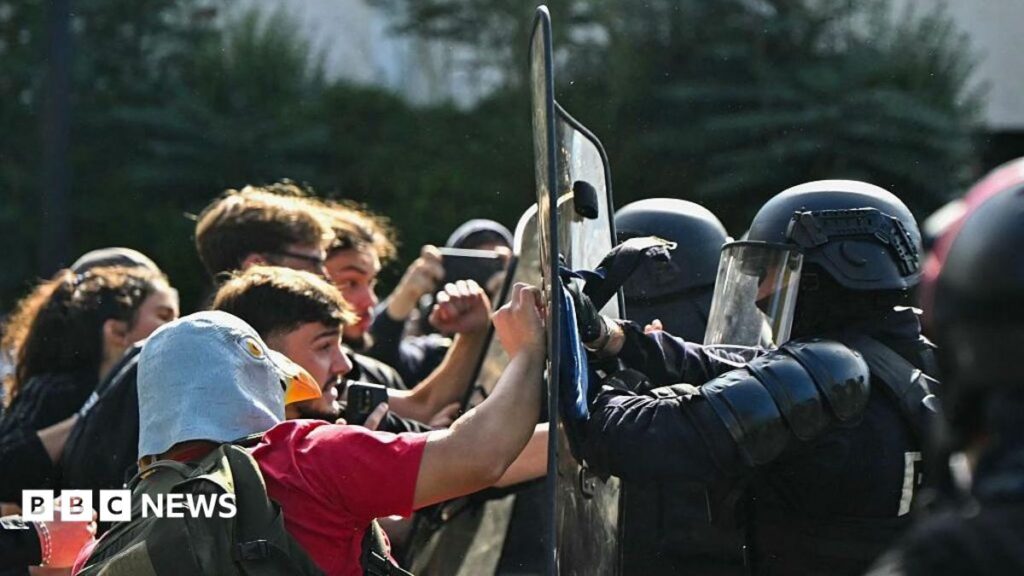
Background: the policy spark that lit the streets
In early May 2026 the French Ministry of Education unveiled a sweeping reform package aimed at standardising curricula, extending school days and tightening attendance rules. The government argued that the changes would close performance gaps and better prepare students for a digital economy, but critics warned they would overburden teachers and erode the autonomy of local schools.
The reform was introduced alongside a broader pension overhaul that had already ignited nationwide strikes. Young people, still reeling from weeks of public sector unrest, saw the education proposal as another top‑down decision that ignored their lived realities. Student unions quickly mobilised, citing fears of longer hours without additional resources and a loss of extracurricular time that many rely on for part‑time work.
How the movement spread: from local grievances to a national wave
What began as a handful of protests in Marseille on May 12 soon multiplied. By the end of the first week, high schools in Lyon, Toulouse and Bordeaux had joined the walk‑outs, coordinated through a new online platform called "École Libre". The platform allowed students to share live updates, legal advice and safety tips, making the protests remarkably organized for a demographic with limited institutional backing.
In Paris, the epicentre of French politics, students occupied the courtyard of the historic Lycée Henri IV and staged a 48‑hour sit‑in that attracted media attention worldwide. According to reports from Le Monde, more than 15,000 pupils across the capital skipped classes on June 3, marking the largest single‑day school strike since the 2006 youth protests against the First Employment Contract.
Why it matters: political stakes and economic ripple effects
The timing of the protests is critical. President Emmanuel Macron is due to face a confidence vote in the National Assembly next month, and the education reform is a flagship of his second‑term agenda. A prolonged shutdown of schools could erode public support for his party, especially among younger voters who have already expressed disillusionment with the government's handling of the pension crisis.
Beyond politics, the strikes threaten to disrupt the French economy. The Ministry of Education estimates that each day of school closure costs the state roughly €250 million in lost productivity, a figure that includes parents who must stay home to supervise children. For a country already grappling with a slowdown in growth, the financial hit adds pressure on policymakers to find a quick resolution.
African diaspora angle: the hidden impact on French‑born Africans
France’s public schools host a sizable population of students with African heritage—estimates suggest that around 20 % of secondary‑school pupils trace their roots to former colonies such as Senegal, Mali and the Ivory Coast. For many of these families, the French education system is a pathway to social mobility and a safety net against the precariousness of informal work.
The protests have a two‑fold effect on the African diaspora. First, the loss of classroom time jeopardises exam preparation for the Baccalauréat, a credential that many immigrant families view as essential for university admission and future employment. Second, the heightened visibility of student unrest has reignited debates about integration, with some right‑wing commentators falsely linking the protests to “foreign influence”. According to a study released by the African Diaspora Institute in Paris, such rhetoric can fuel xenophobic sentiment and undermine the sense of belonging among young Afro‑French citizens.
On the flip side, the movement has also sparked solidarity actions. Student groups from African cultural associations have organised teach‑ins and legal‑aid clinics, offering peer tutoring and informing families about their rights under French labour law. These grassroots efforts illustrate how the diaspora is turning a crisis into an opportunity to reinforce community networks.
What’s next: negotiation, escalation or stalemate?
The government has signalled a willingness to revisit the most contentious clauses, notably the mandatory extended school day. In a televised address on June 7, Education Minister Jean‑Michel Blanquer offered a “temporary moratorium” on the new timetable while a joint commission of teachers, parents and student representatives drafts a compromise.
However, sources close to the student unions say the demand for a full repeal of the reform remains non‑negotiable. If talks stall, experts from the French Institute of Public Affairs warn that the protests could spill over into other sectors, reigniting the broader labour unrest that has already paralyzed transport and healthcare services. For now, the next few weeks will determine whether the French school protests become a footnote in the country’s reform saga or a catalyst for a deeper re‑examination of how policy is made in the age of digital mobilisation.
Quick Answers
What triggered the French school protests in June 2026?
The protests began in response to a government‑proposed education reform that would lengthen school days, standardise curricula and tighten attendance rules.
When did the student walk‑outs start spreading across France?
The movement started in Marseille on May 12, 2026, and expanded to major cities like Lyon, Toulouse, Bordeaux and Paris by early June.
How could the protests affect African‑origin students in France?
Disruptions risk delaying exam preparation for the Baccalauréat and may fuel xenophobic narratives, but diaspora groups are also providing tutoring and legal support to mitigate the impact.
Source: www.bbc.co.uk




💬 Comments 0