French Tourist Dies in Death Valley After Car Gets Stuck in Mud in 116°F Heat
Background: Death Valley’s Extreme Climate
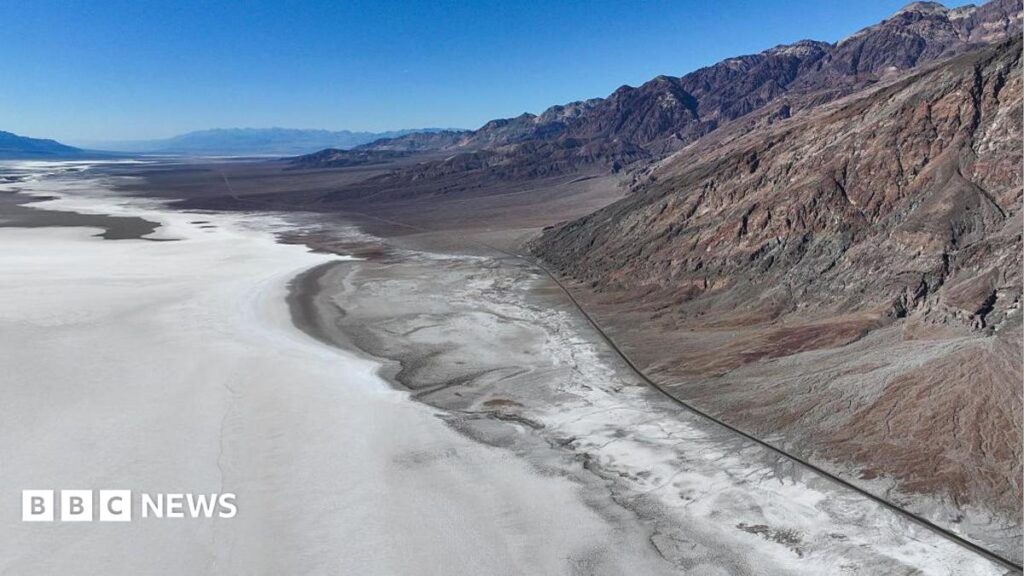
Death Valley National Park, located in eastern California, is famous for its blistering temperatures and arid landscape. The region holds the record for the highest temperature ever recorded on Earth—134°F (56.7°C) in 1913—and regularly sees daily highs above 110°F (43°C) during the summer months. The park’s salt flats, known as the Badwater Basin, sit 282 feet (86 meters) below sea level, creating a micro‑climate that can trap heat and intensify dehydration risks for anyone caught unprepared.
Climate scientists warn that heat waves in the American Southwest are becoming more frequent and intense as global temperatures rise. According to a 2024 report from the U.S. Global Change Research Program, the number of days above 115°F (46°C) in the region has increased by roughly 20 % over the past three decades. This trend not only threatens local ecosystems but also raises safety concerns for the growing number of tourists who flock to the desert’s iconic vistas each year.
Tourism to Death Valley has surged in recent years, with the National Park Service reporting a 15 % rise in visitor numbers between 2019 and 2023. While the park has expanded its visitor‑center facilities and posted heat‑related warnings, many travelers still underestimate the dangers of driving on unpaved roads during extreme heat, especially when vehicle breakdowns can leave them stranded on miles of barren terrain.
What Happened: The Fatal Incident
On July 28, 2026, a 68‑year‑old French tourist named Michel Dupont was traveling alone in a rented compact car when he became stuck in a deep mud pit near the Badwater Basin. Witnesses say the vehicle slipped into the soft, salt‑laden mud after the driver attempted to navigate a narrow, unmarked side track that runs parallel to the main park road. The car’s tires quickly sank, leaving Dupont stranded in the scorching sun.
Park rangers who were conducting routine patrols discovered Dupont’s vehicle later that afternoon, noting that the interior of the car was still hot and that the driver’s body showed signs of severe dehydration and heat‑stroke. Despite immediate attempts by emergency crews to revive him, Dupont was pronounced dead at the scene. The official cause of death, according to the California Department of Public Health, was hyperthermia compounded by prolonged exposure to extreme heat.
French consular officials confirmed Dupont’s identity and expressed condolences to his family. They also highlighted that the tourist had not registered his travel itinerary with the embassy, a step that could have facilitated a faster rescue response. The incident has sparked renewed debate over the adequacy of safety information provided to international visitors in remote U.S. parks.
Why It Matters: Safety, Climate and the Travel Industry
The tragedy underscores a growing mismatch between the allure of extreme‑destination tourism and the practical realities of climate‑driven hazards. As heat waves become more severe, the margin for error in desert environments shrinks dramatically. Travelers who venture into places like Death Valley without robust preparation—adequate water, vehicle recovery gear, and a clear understanding of heat‑related health risks—face life‑threatening conditions that can unfold within minutes.
For the U.S. tourism sector, the incident is a stark reminder that safety protocols must evolve alongside climate trends. The National Park Service has already begun to pilot heat‑alert mobile apps and to place more conspicuous signage about vehicle recovery points, but critics argue that these measures are still insufficient. Travel insurers are also reassessing policy terms, with several major providers now requiring proof of heat‑safety training for trips to regions forecasted to exceed 110°F (43°C).
The broader implication for African and diaspora travelers is significant. A 2025 study by the African Tourism Board showed a 12 % increase in African‑origin tourists visiting U.S. national parks over the previous five years, driven by a desire to experience iconic landscapes. However, many of these visitors originate from climates where such extreme heat is rare, making them especially vulnerable to heat‑related illnesses. The French tourist’s death highlights a gap in culturally tailored safety briefings that could benefit African, Caribbean, and other diaspora travelers alike.
Reactions: From Governments to Travel Companies
The French Ministry of Europe and Foreign Affairs issued a travel advisory urging French citizens to exercise heightened caution when traveling to U.S. desert regions during the summer months. The advisory recommends checking real‑time temperature forecasts, carrying sufficient water (at least one gallon per person per day), and avoiding off‑road routes unless equipped with recovery equipment and a reliable communication device.
In the United States, the National Park Service announced an immediate review of its heat‑safety messaging, planning to add multilingual warning panels at key entry points, including French, Spanish, and several African languages such as Swahili and Yoruba. Park officials also pledged to increase the frequency of ranger patrols on vulnerable side tracks during heat spikes, a move that could help locate stranded motorists faster.
Travel agencies that specialize in African diaspora tourism, such as AfroVoyage and Diaspora Destinations, have responded by updating their itineraries. They now include mandatory heat‑risk briefings, the distribution of portable solar‑powered cooling fans, and partnerships with local guide services that can provide on‑ground assistance. These changes illustrate a growing recognition that safety information must be customized for diverse traveler backgrounds.
What’s Next: Policy Shifts and Community Preparedness
Looking ahead, policymakers are likely to tighten regulations around vehicle access to remote desert roads during peak heat periods. A proposal currently under review by the California State Legislature would require rental car companies to attach heat‑risk disclosures to contracts for any vehicle rented for travel within 100 miles of Death Valley during July and August. Failure to comply could result in fines and mandatory driver‑education sessions.
Community groups in the Southwest, including the Indigenous tribes that have stewarded the desert for centuries, are also stepping into the conversation. The Timbisha Shoshone Tribe, whose ancestral lands encompass parts of Death Valley, is collaborating with park officials to share traditional knowledge about water sourcing and shade‑seeking techniques that have helped their ancestors survive extreme conditions for generations.
For African travelers and the diaspora, the incident serves as a cautionary tale that emphasizes the need for proactive preparation. Travel forums and diaspora social media groups are already circulating checklists that include items such as electrolyte tablets, satellite messengers, and a pre‑trip health screening for heat‑sensitivity. As climate change reshapes travel landscapes worldwide, these grassroots resources may become as vital as official advisories.
Quick Answers
What caused the French tourist’s death in Death Valley?
He died of hyperthermia after his car got stuck in mud and he was exposed to 116°F heat for several hours.
How can travelers stay safe in extreme heat at Death Valley?
Carry plenty of water, avoid off‑road tracks without recovery gear, check heat alerts, and stay in shaded or air‑conditioned areas during peak temperatures.
Are there new safety measures for African diaspora tourists in U.S. parks?
Yes, some agencies now provide multilingual briefings and partner with local guides to offer heat‑risk training tailored to African and diaspora travelers.
Source: www.bbc.co.uk




💬 Comments 0