Georgia homecoming shooting kills 2, injures 35; suspect at large – 2026
Background: A celebration turned tragedy
Each spring, colleges across the United States host homecoming events that blend football games, parades, and large outdoor gatherings. The tradition is meant to bring alumni, students, and local residents together for a night of music, food and communal pride. On October 4, 2026, one such celebration in a midsize Georgia town drew several hundred attendees, many of them young adults and families from the surrounding region.
The venue – a public park adjacent to the university’s stadium – had been cleared for a concert featuring a popular hip‑hop act, with vendors set up along the perimeter and a stage erected near the central lawn. Local police had posted a modest presence, relying on the event’s history of low‑risk incidents to keep the crowd safe. This sense of routine security would soon be shattered by a sudden barrage of gunfire.
What happened: The shooting and immediate response
Shortly after the headline act began, witnesses reported hearing a series of rapid, echoing cracks. According to the Georgia Department of Public Safety, more than 30 rounds were discharged into the densely packed crowd, striking at least 37 people. Two victims – a 19‑year‑old sophomore and a 27‑year‑old event staffer – were pronounced dead at the scene, while 35 others were treated for injuries ranging from superficial cuts to gunshot wounds that required surgery.
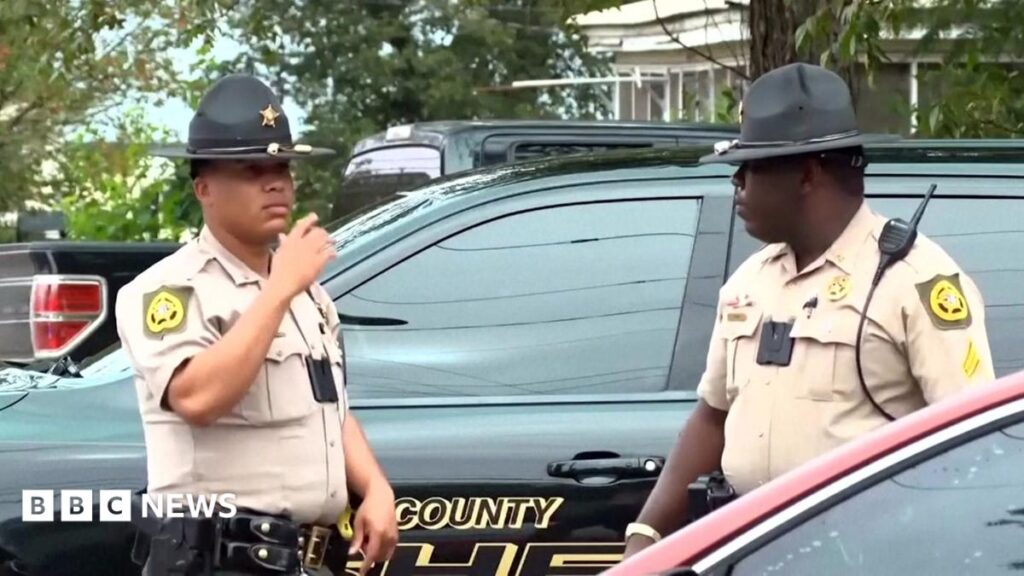
First‑responders arrived within minutes, establishing a perimeter and evacuating the injured to nearby hospitals. The university’s campus police, in coordination with the county sheriff’s office, began a manhunt for the shooter, who fled the scene on foot. By late evening, a composite sketch was released, and a statewide alert was issued, urging anyone with information to contact authorities.
Why it matters: Gun violence, community trauma, and policy debate
The incident adds to a grim tally of mass shootings that have plagued the United States over the past decade, reigniting discussions about the nation’s gun‑control laws. Georgia, a state with relatively permissive firearm regulations, has seen a rise in public‑space shootings since 2020, according to data from the Gun Violence Archive. The homecoming tragedy underscores how easy access to firearms can translate into lethal outcomes at events that are supposed to be safe communal spaces.
Beyond the raw numbers, the psychological impact on the local community is profound. Survivors and families of the victims are confronting grief, PTSD, and a lingering sense of vulnerability. Mental‑health professionals have been deployed to provide crisis counseling, but experts warn that the ripple effects can last months, if not years, especially in tight‑knit college towns where social networks overlap heavily.
African diaspora angle: How the shooting resonates with Black communities
While the incident occurred in a predominantly white‑majority town, the university’s student body includes a sizable African and African‑American population. Many of the injured were Black students, and the deceased included a sophomore who was a first‑generation immigrant from Nigeria. For the African diaspora, the shooting revives concerns about racialized violence and the disproportionate targeting of Black bodies in public settings, a theme that has been echoed in recent protests across the United States.
African students studying in the U.S. often rely on campus events to build social ties and maintain cultural connections far from home. The loss of a peer who was active in a Nigerian student association has sparked calls for universities to reassess security protocols at multicultural gatherings. Moreover, diaspora media outlets in Lagos, Nairobi and Accra have begun covering the story, linking it to broader discussions about gun culture and its spill‑over effects on African families with members abroad.
Broader pattern: The rise of “concert‑style” shootings and their global echo
The Georgia homecoming shooting follows a disturbing pattern of mass shootings that target concerts, festivals and other music‑centric events. Analysts at the Center for Strategic and International Studies note that such attacks have risen by 28 % globally since 2019, with perpetrators often seeking maximum media exposure. The trend reflects a shift from isolated incidents to calculated assaults on cultural gatherings, where the symbolic value of disrupting joy amplifies the terror.
In Africa, while large‑scale gun violence in public venues remains less common, there have been isolated attacks on nightclubs and political rallies that echo the same dynamics. Security experts argue that the diffusion of cheap, high‑capacity firearms – whether legally purchased in the U.S. or smuggled across borders – contributes to a transnational threat landscape. The Georgia case therefore serves as a cautionary tale for African event organizers, who may need to adopt more rigorous risk assessments despite differing legal frameworks.
What’s next: Investigation, legislation, and community healing
Law enforcement officials have identified three possible motives for the shooter, ranging from personal vendetta to a broader intent to spark fear. The investigation remains ongoing, with detectives reviewing surveillance footage from nearby businesses and tracing the ballistic evidence to a semi‑automatic rifle that was reportedly purchased legally two years ago. Authorities have urged anyone who saw the suspect’s escape route to come forward, promising anonymity.
On the policy front, state legislators have seized the moment to propose tighter background‑check measures and a ban on certain assault‑style weapons. While such bills face stiff opposition from gun‑rights advocates, the outcry from college administrations, student unions, and civil‑rights groups is pushing the conversation into the public arena. Meanwhile, the university has pledged to fund a memorial scholarship in honor of the victims and to launch a campus‑wide safety task force aimed at preventing future tragedies.
Quick Answers
How many people were injured in the Georgia homecoming shooting?
Thirty‑five people were injured, with injuries ranging from minor cuts to serious gunshot wounds.
Who is the suspect in the Georgia homecoming shooting?
The shooter has not been identified publicly; police have released a composite sketch and are conducting a manhunt.
What actions are being taken to prevent similar shootings in the future?
State lawmakers are debating stricter background checks and assault‑weapon bans, while the university is creating a safety task force and a memorial scholarship.
Source: www.bbc.co.uk



💬 Comments 0