German Cost of Living Protests Turn Violent: Frankfurt Riots Loot 200 Shops, June 2026
Background: Inflation and Public Discontent in Germany
Since early 2024, Germany has grappled with a wave of price hikes that have outpaced wage growth, especially for energy, housing and food. The Federal Statistical Office recorded a consumer price index rise of 6.8% in the twelve months to March 2026, the highest level in a decade, prompting widespread anxiety among low‑income households.
The German government responded with a series of subsidies, such as the "Energiepreispauschale" and temporary rent caps, but critics argue these measures are too modest and unevenly distributed. Trade unions and consumer groups have repeatedly warned that the gap between policy promises and lived reality could spark larger unrest, echoing the protests that erupted across Europe after the 2022 energy crisis.
In the months leading up to June, several cities, including Berlin and Hamburg, hosted organized marches demanding a minimum living wage tied to inflation. While most demonstrations remained peaceful, a growing number of participants expressed frustration over what they described as a “government disconnect” from everyday struggles.
The Spark and Escalation: From Protest to Looting
On June 2, 2026, a scheduled rally in Frankfurt’s Hauptwache square attracted an estimated 12,000 demonstrators, according to police estimates. The crowd began with chants against rising living costs and calls for the resignation of Finance Minister Christian Lindner.
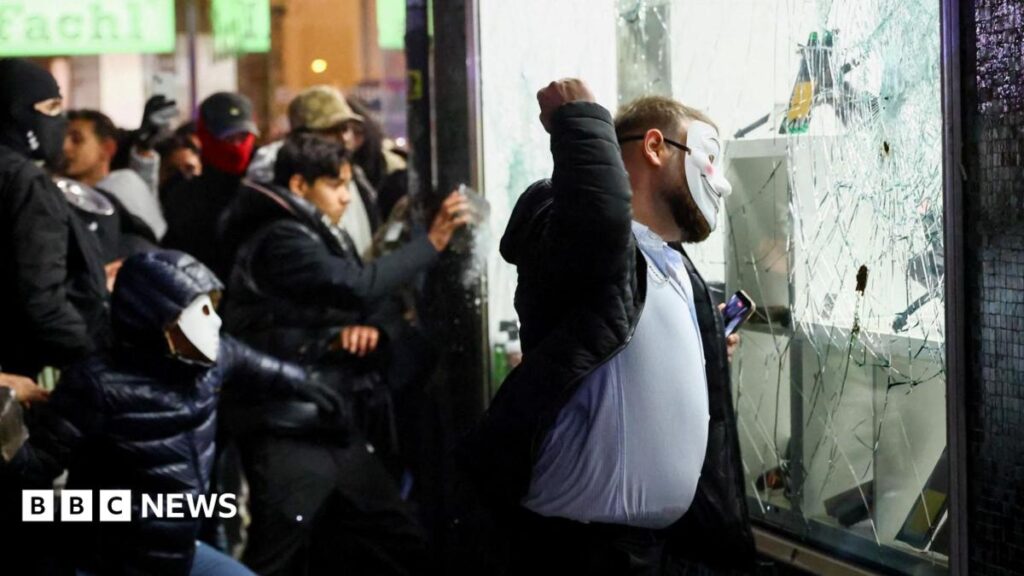
Tensions rose when a faction of agitators, identified by local media as members of the far‑right group “Patriotic Front”, attempted to breach police cordons and push the protest towards nearby shopping streets. Police reported “violent riots” as windows were smashed, and more than 200 shops were looted in the city centre, according to the Frankfurt Police Department.
Similar disturbances were reported in Berlin’s Alexanderplatz, Hamburg’s Reeperbahn and Cologne’s Schildergasse, though on a smaller scale. Authorities in those cities confirmed dozens of arrests and the deployment of additional riot police to prevent the situation from spiraling further.
Why It Matters Beyond Germany’s Borders
The Frankfurt riots highlight a broader European challenge: balancing fiscal restraint with social stability as inflation erodes purchasing power. Economists warn that repeated flashpoints could force governments to accelerate fiscal stimulus, risking higher debt levels and a potential clash with the European Central Bank’s tightening cycle.
For multinational corporations, the unrest signals heightened operational risk in a market that accounts for roughly 20% of EU consumer spending. Retail chains, especially those with German headquarters such as Zalando and Metro, are reassessing supply‑chain resilience and security investments after the looting spree caused estimated losses of €45 million in a single day.
Politically, the events have given opposition parties, notably the Social Democrats (SPD) and the Greens, ammunition to criticize the coalition’s handling of the cost‑of‑living crisis. Polls released by Infratest dimap the week after the riots show a 7‑point dip in approval for the governing parties, suggesting the unrest could reshape the upcoming federal election landscape.
African Diaspora, Migrant Workers and Remittances
Germany hosts the largest African diaspora in Europe, with an estimated 1.2 million people of African origin living in the country, many of whom work in low‑wage sectors such as logistics, hospitality and cleaning. The protests have directly affected this community, as several of the looted shops were owned by African entrepreneurs in Frankfurt’s Bahnhofsviertel district.
According to a statement from the African Union’s Diaspora Affairs Unit, the unrest threatens the safety of African migrants and could lead to a surge in undocumented work if formal employment opportunities shrink amid business closures. The unit also warned that any disruption to remittance flows—Germany is the fifth‑largest source of remittances to sub‑Saharan Africa—could exacerbate poverty in receiving countries, especially Nigeria and Ghana.
Diaspora organisations, such as the German-African Business Association, have called for targeted relief measures, including rent subsidies for African‑owned small businesses and a fast‑track visa scheme for skilled African workers to fill gaps left by departing staff. Their plea underscores how domestic German unrest reverberates across the continent through financial and human‑capital links.
What Comes Next: Policy, Security and Public Sentiment
Chancellor Olaf Scholz announced a “cost‑of‑living task force” on June 5, pledging an additional €2 billion for direct cash transfers to households earning below €2,200 per month. The plan also includes a review of the energy price cap and a temporary suspension of the planned increase in the solidarity surcharge, a tax that funds the federal budget.
Security officials have ordered a review of protest‑policing protocols, emphasizing better intelligence sharing to pre‑empt violent fringe groups. The Federal Ministry of the Interior is expected to allocate €50 million to upgrade CCTV networks in high‑traffic commercial zones, a move criticized by civil‑rights groups for potentially infringing on privacy.
Public sentiment remains volatile. A survey by the German Institute for Economic Research (DIW) conducted on June 8 indicates that 62% of respondents believe the government’s response to inflation is “insufficient,” while 48% say they would consider joining future demonstrations. The coming weeks will test whether the newly announced financial measures can calm the streets or merely postpone another wave of unrest.
Quick Answers
How many shops were looted during the Frankfurt protests?
Police reported that more than 200 shops were looted in Frankfurt’s city centre on June 2, 2026.
Will the German protests affect remittances to Africa?
Yes; disruptions to German businesses owned by African migrants could reduce the flow of remittances, which are a key source of income for many sub‑Saharan households.
What new measures has the German government announced after the riots?
Chancellor Scholz unveiled a €2 billion cost‑of‑living package, including cash transfers for low‑income families and a review of the energy price cap.
Source: www.bbc.co.uk




💬 Comments 0