Germany trials Ukrainian Serhii K for Nord Stream sabotage – impact on Europe’s energy
Background: the 2022 Nord Stream explosions
In September 2022, the twin Nord Stream pipelines that carry Russian gas under the Baltic Sea to Germany were damaged by powerful underwater blasts. The sabotage halted a key conduit for Russian energy, accelerating Europe’s scramble for alternative supplies and prompting a wave of diplomatic accusations, though no party was formally charged at the time. The incident also sparked a complex forensic investigation involving German, Danish, Swedish and U.S. authorities, all of whom struggled to collect definitive evidence from the deep‑sea wreckage.
The geopolitical fallout was immediate. With the pipelines offline, Germany and other EU members intensified their push for renewable capacity while simultaneously turning to liquefied natural gas (LNG) imports from the United States and Qatar. The loss of the Nord Stream route also heightened security concerns around critical energy infrastructure worldwide, leading several countries to reassess the vulnerability of offshore pipelines to sabotage or cyber‑attack.
Amid the uncertainty, a handful of suspects surfaced in media reports, but most remained unnamed. The case lingered in legal limbo, with prosecutors in Germany citing the need for a clear chain of command and forensic proof before any indictment could be pursued. Four years later, the decision to bring a Ukrainian national, identified only as Serhii K, to trial marks the first time a concrete charge has been filed in connection with the blasts.
The trial: who is Serhii K and what is he accused of?
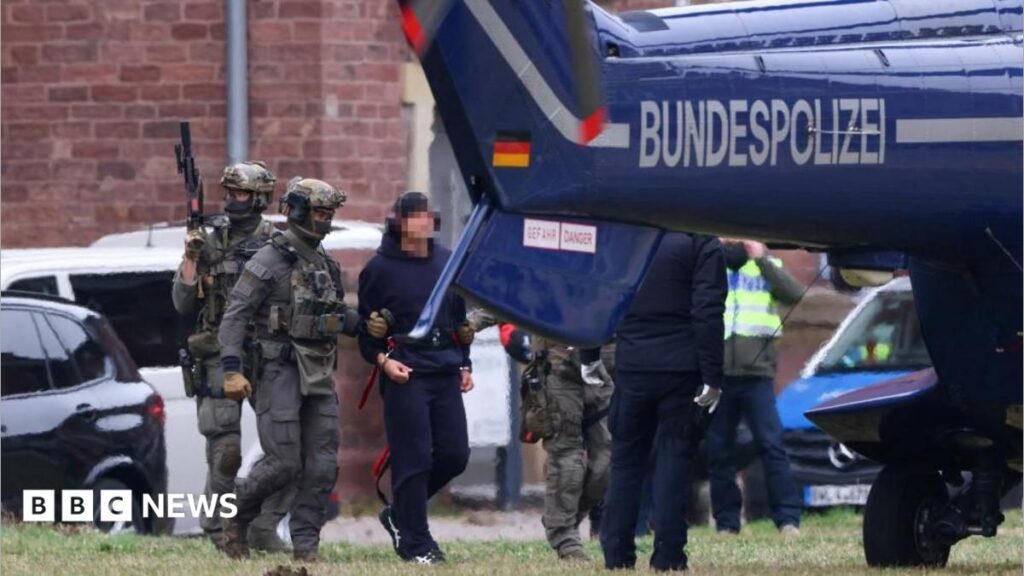
Serhii K, a 34‑year‑old Ukrainian citizen who previously worked as a logistics coordinator for a private security firm, was arrested in Berlin in early 2025 after German prosecutors linked his travel records and communications to the time and place of the Nord Stream operation. According to the indictment, he allegedly acted as a field operative who helped place explosive devices on the seabed, working under the direction of an unnamed “coordinator” believed to be based in Kyiv.
The German court, located in the city of Hamburg, will hear charges of terrorism, sabotage of critical infrastructure, and participation in a foreign hostile act. Prosecutors say the evidence includes satellite imagery, intercepted phone calls, and testimony from two unnamed witnesses who claim to have seen Serhii near the pipeline site in a specialized diving suit. Defence lawyers argue that the evidence is circumstantial and that the alleged “coordinator” has never been identified, raising doubts about the fairness of a trial that is already highly politicised.
If convicted, Serhii K faces a maximum sentence of 15 years in prison under German anti‑terrorism law. The case is being watched closely by both Kyiv and Moscow, each of which has used the Nord Stream sabotage as a propaganda tool. Ukrainian officials have denied any state involvement, while Russian media continue to portray the trial as proof of a Western‑backed plot against Russia.
Why the trial matters beyond a single defendant
The legal proceedings set a precedent for how Western courts handle alleged acts of sabotage that intersect with an ongoing war. By moving the case forward, Germany signals that it will treat the Nord Stream explosions as a criminal matter rather than a purely political dispute, potentially opening the door for further prosecutions of foreign nationals involved in similar operations.
For the European energy market, the trial could influence the narrative around pipeline security and the cost‑benefit analysis of offshore gas projects. If the court finds that state actors or their proxies were involved, insurers may raise premiums for offshore infrastructure, and investors could become more cautious about financing new pipelines, accelerating the shift toward renewables and LNG terminals that are perceived as less vulnerable.
The case also reverberates in the realm of international law. A conviction would be one of the few instances where a Western judiciary has formally linked an individual to a sabotage act that directly affected a sovereign state's energy supply during an armed conflict. That could embolden other nations to pursue legal avenues for what have traditionally been handled through diplomatic channels or sanctions.
African and diaspora implications: energy markets and diplomatic ties
Europe’s reduced reliance on Russian gas has created new opportunities for African LNG exporters, especially Nigeria, Mozambique and Egypt, whose contracts with European buyers have expanded since 2022. The outcome of the Nord Stream trial may affect how quickly Europe can solidify these new supply chains; a verdict that underscores the risk of sabotage could prompt EU regulators to fast‑track diversification projects, potentially boosting African export volumes and revenues.
Conversely, heightened security concerns could also lead to stricter inspection regimes for LNG terminals and shipping routes that pass through the Mediterranean and the Atlantic. African port authorities and shipping companies may need to invest in additional safety measures, raising operational costs. The trial’s publicity may also influence European public opinion, making consumers more supportive of clean‑energy transitions, which could reduce long‑term demand for African gas unless it is coupled with carbon‑capture initiatives.
The Ukrainian diaspora in Germany, estimated at over 200,000 people, has been closely following the case. Community leaders warn that a conviction could fuel anti‑Ukrainian sentiment and complicate integration efforts. At the same time, African diaspora groups in Germany are leveraging the media attention to highlight their own concerns about energy justice, arguing that Europe’s scramble for alternative supplies should not sideline climate commitments that affect African nations most severely.
Quick Answers
What is Serhii K accused of in the German court?
He is charged with terrorism, sabotage of critical infrastructure and participation in a foreign hostile act for allegedly helping to place explosives on the Nord Stream pipelines in 2022.
How could the trial affect African LNG exporters?
A conviction may accelerate Europe’s push for secure, diversified gas supplies, potentially increasing demand for LNG from Nigeria, Mozambique and Egypt, while also prompting stricter safety regulations for shipments.
When does the trial of Serhii K begin?
The trial is scheduled to start in late October 2026 at the Hamburg Regional Court.
Source: www.bbc.co.uk




💬 Comments 0