Gianni Infantino faces BBC resignation question after failed World Cup private stake sale, African federations weigh in 2026
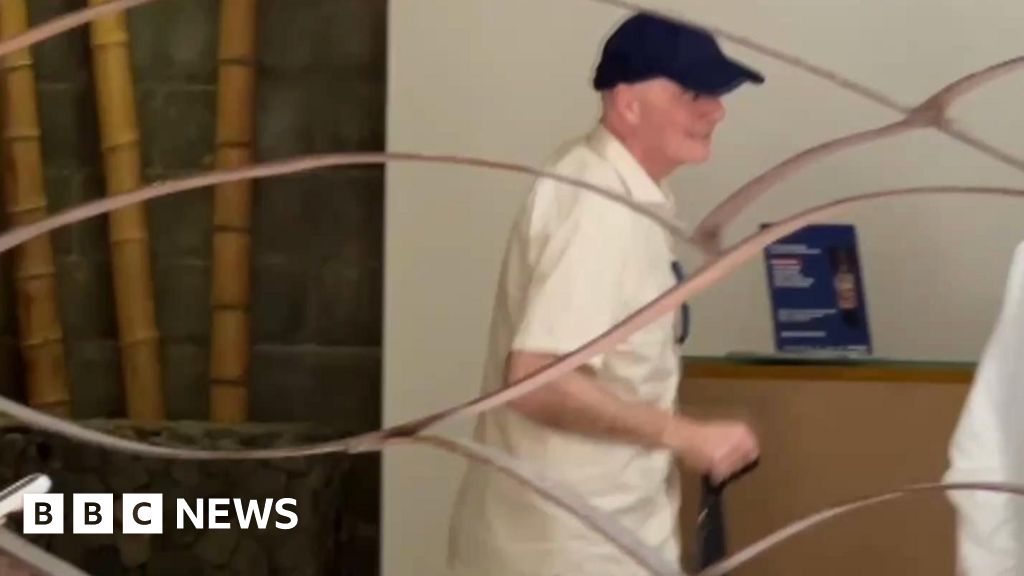
Infantino’s turbulent year in context
Gianni Infantino entered his second term as FIFA president in 2023 with promises of expanding the World Cup to 48 teams and delivering more revenue to member associations. Yet the past twelve months have been marked by a series of controversies, from the disputed allocation of the 2030 tournament to allegations of opaque financial dealings that have eroded trust among stakeholders worldwide.
The most explosive claim emerged in June 2026 when internal documents allegedly revealed a plan to sell private equity stakes in future World Cup commercial rights. Critics argued that such a move would create a new class of investors with profit‑sharing rights, potentially sidelining the 211 national associations that fund FIFA’s operations. The proposal was abruptly shelved after intense backlash from governments, sponsors, and civil society groups.
While the sale never materialised, the episode resurfaced the long‑standing concern that FIFA’s governance structures remain vulnerable to elite capture. For African football, where resources are already scarce, the prospect of private investors siphoning revenue sparked particular alarm.
BBC interview puts resignation on the table
During a live interview on BBC World Service on August 7, presenter Emily Maitlis asked Infantino directly whether he would consider stepping down in light of the failed stake sale. The question, framed as “the public and many federations are losing confidence – will you resign?”, was met with a measured response: Infantino said he remained committed to completing his mandate and would let “the democratic processes of FIFA decide my future”.
The interview quickly went viral on social media, generating over 12 million views across platforms within 24 hours. Analysts noted that Infantino’s refusal to give a definitive answer was a tactical move to avoid triggering a formal no‑confidence vote, which would require a two‑thirds majority of the FIFA Council – a body still dominated by allies from Europe and South America.
Why the resignation question matters for African football
African nations stand to lose the most if FIFA’s revenue streams become fragmented among private investors. The Confederation of African Football (CAF) estimates that each member association receives roughly $2 million annually from FIFA’s distribution pool, funds that support grassroots programmes, women's football, and stadium upgrades. A private‑equity model could divert a significant share of future broadcasting and sponsorship money away from these earmarked allocations.
Moreover, the aborted deal highlighted a deeper governance gap: many African federations lack representation on the committees that decide commercial strategies. The CAF president, Patrice Motsepe, has repeatedly called for a “real seat at the table” to protect the continent’s interests, especially as the 2026 World Cup in the United States, Canada and Mexico offers limited exposure for African teams and markets.
Reactions from the African diaspora and markets
The diaspora community, which fuels a growing market for African football merchandise and streaming subscriptions, expressed concern on Twitter and diaspora forums. Nigerian‑American entrepreneur Adeola Adebayo warned that “if FIFA hands a slice of the World Cup pie to private equity, our diaspora‑driven streaming platforms could see revenue cuts, limiting the reach of our homegrown talent abroad”.
In Lagos, the Nigerian Stock Exchange saw a modest dip in the shares of sports‑related firms after the BBC interview, reflecting investor anxiety about potential regulatory changes. Conversely, a few fintech startups that specialise in fan‑tokenisation saw a surge in interest, as they position themselves as alternative revenue channels for African clubs should FIFA’s traditional streams shrink.
What could happen next – resignation, reform or status quo?
If Infantino chooses to resign, FIFA’s statutes require an emergency congress within 30 days to elect an interim president. Sources close to the African delegation say that CAF is preparing a slate of candidates, including former Ghanaian minister Kwesi Botchwey, who has experience navigating both sports administration and public finance. A successful African candidacy could reshape the distribution model for the next two World Cups.
Alternatively, if Infantino remains, pressure is likely to mount for a formal audit of FIFA’s commercial contracts. The European Commission, which has already launched an antitrust probe into FIFA’s broadcast deals, may expand its scope to include any private‑equity arrangements. Such scrutiny could force the organisation to adopt stricter transparency rules, a development welcomed by African civil‑society groups demanding accountability.
In the short term, the most immediate impact will be on the upcoming 2026 World Cup qualifiers. African teams, already grappling with scheduling conflicts and travel costs, may receive marginally higher subsidies if the controversy pushes FIFA to protect its core revenue base. The final outcome, however, will hinge on how quickly the federation can rebuild credibility among its 211 members.
Quick Answers
Has Gianni Infantino announced his resignation after the BBC interview?
No, Infantino said he will continue his mandate and let FIFA’s internal democratic processes decide his future.
How could a private stake sale in World Cup rights affect African football federations?
It could divert a portion of future broadcasting and sponsorship revenues away from the distribution pool that currently funds African federations' development programs.
What are the possible next steps if Infantino steps down?
FIFA would convene an emergency congress within 30 days to elect an interim president, and CAF has indicated it may put forward an African candidate for the role.
Source: www.bbc.co.uk



💬 Comments 0