Global meat crisis 2026: Brazil, USA, China cattle stocks fall 12%, impact on Africa
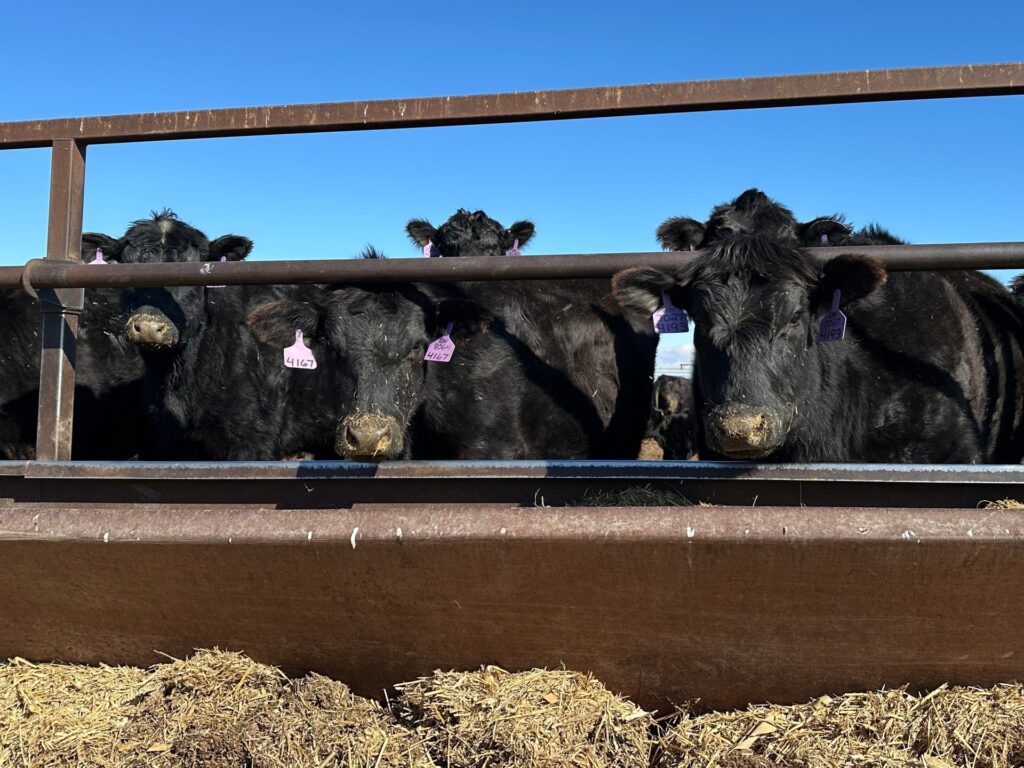
A tightening global beef supply
In the first half of 2026 the three biggest beef producers – Brazil, the United States and China – reported a combined drop of about 12 percent in their cattle inventories, according to data released by the Food and Agriculture Organization and national livestock ministries. The shrinkage marks the steepest decline in a decade and has already nudged global beef prices upward by roughly 8 percent, sparking concerns among import‑dependent markets.
The loss of cattle is not a temporary blip; it follows a pattern of successive shocks that have hit the sector since 2022, including pandemic‑related labor shortages, soaring fertilizer and feed costs, and a series of extreme weather events that have reduced pasture quality. Analysts at Bloomberg note that the cumulative effect of these pressures is now manifesting as a genuine supply crunch rather than a short‑term price spike.
While the headline numbers focus on the top producers, the ripple effect is already being felt in secondary exporters such as Argentina, Uruguay and Paraguay, whose export volumes are projected to fall by another 5 percent this year. This contraction threatens to tighten the global meat market further, leaving downstream processors and retailers scrambling for alternative sources.
Why cattle numbers are shrinking
Rising input costs sit at the core of the decline. Feed prices, driven by record grain shortages in Ukraine and Brazil, have climbed by more than 30 percent since early 2024, making it uneconomical for many ranchers to maintain large herds. In the United States, the USDA reports that feedlot operators are cutting back on cattle placements by an average of 15 percent to preserve margins.
Compounding the cost issue, prolonged droughts across key grazing regions have reduced the availability of natural pasture. In Brazil’s Mato Grosso and the U.S. Great Plains, satellite data from NASA show that rainfall levels have been 20‑25 percent below the ten‑year average, forcing producers to rely even more on expensive purchased feed. In China, the north‑central provinces have faced a third consecutive year of water scarcity, prompting the Ministry of Agriculture to declare a “livestock emergency” in early March.
Biological factors also play a role. Veterinary reports from the World Organisation for Animal Health indicate a rise in bovine respiratory disease complexes, which have increased mortality rates among young stock by roughly 2 percent in 2026. The disease surge is linked to stress from heatwaves and overcrowded feedlots, creating a feedback loop that further depresses herd growth.
What the slump means for Africa’s meat markets
Africa imports about 40 percent of its beef, with South Africa, Egypt and Nigeria topping the list of buyers from the United States, Brazil and the European Union. The recent stock decline translates into higher import bills; the International Trade Centre estimates that African beef import costs could rise by up to 12 percent by the end of 2026, tightening household budgets already strained by inflation.
Domestic producers on the continent are not insulated. In Kenya’s Rift Valley, where pastoralism remains a livelihood for over 10 million people, drought‑induced feed shortages have already forced many herders to sell off cattle at prices 15 percent below pre‑crisis levels. Similar patterns are emerging in Ethiopia’s Awash Valley, where the government’s emergency livestock assistance program has been stretched thin, according to a statement from the Ministry of Agriculture.
The price shock also threatens the growth of emerging meat‑processing hubs in West Africa. Companies such as Nigeria’s Olam Meat and Ghana’s Africore are reporting delayed shipments and higher raw‑material costs, which could stall planned capacity expansions and reduce job creation targets set for the next five years.
Food security and price pressure on African consumers
Higher beef prices ripple through the broader food system because meat is a key source of protein and income for many urban and peri‑urban families. The African Development Bank warned in a June 2026 briefing that a sustained rise in meat costs could push an additional 5 million people into food‑insecurity across the continent, especially in densely populated cities where meat consumption is rising faster than incomes.
For low‑income households, the price increase often forces a dietary shift toward cheaper, less nutritious staples such as refined grains or sugary beverages. Nutritionists at the University of Pretoria note that this substitution could exacerbate rising rates of obesity and non‑communicable diseases, a paradoxical public‑health challenge in a region already battling under‑nutrition.
Governments are responding with mixed strategies. South Africa’s Treasury announced a temporary reduction in import duties on frozen beef to cushion price hikes, while Nigeria’s Ministry of Agriculture is accelerating a feed‑subsidy scheme aimed at smallholder cattle keepers. However, experts caution that these measures are stop‑gap solutions that do not address the underlying climate‑driven volatility.
Looking ahead: policy, technology and alternative proteins
Policymakers across Africa are beginning to incorporate climate resilience into livestock strategies. The African Union’s “Livestock for Development” agenda, updated in July 2026, calls for investment in drought‑tolerant fodder crops, water‑saving irrigation, and early‑warning systems that can help pastoralists adapt to erratic rainfall patterns.
Technology firms see an opening for innovation. Start‑ups in Kenya and Nigeria are piloting blockchain‑based traceability platforms that promise to reduce waste and improve market access for small producers, while AgriTech incubators are testing feed additives that lower the reliance on imported soy‑based meals, which have become costlier due to the global crisis.
Finally, the looming meat shortage is accelerating interest in alternative proteins. Plant‑based burger producers such as South Africa’s BeyondBite have reported a 30 percent surge in sales since March, and a joint venture between a Nigerian food conglomerate and a European cultured‑meat company aims to launch the continent’s first lab‑grown steak by 2028. While still niche, these alternatives could diversify protein sources and lessen Africa’s exposure to external beef market shocks.
Quick Answers
Why are global cattle stocks falling in 2026?
Cattle numbers are dropping because of higher feed costs, severe droughts that limit pasture, and rising disease rates among livestock.
How will the beef supply crunch affect African food prices?
Import‑dependent African countries could see beef prices rise by up to 12 percent, pushing more households toward cheaper, less nutritious foods.
What steps are African governments taking to mitigate the crisis?
Some are lowering import duties, subsidising feed for smallholders, and investing in climate‑resilient livestock programs under the African Union’s new agenda.
Source: www.aljazeera.com




💬 Comments 0