Gold prospectors killed on Egypt‑Sudan border: rights group reports dozens dead in 2026 strike
Background: Gold mining on the Egypt‑Sudan frontier
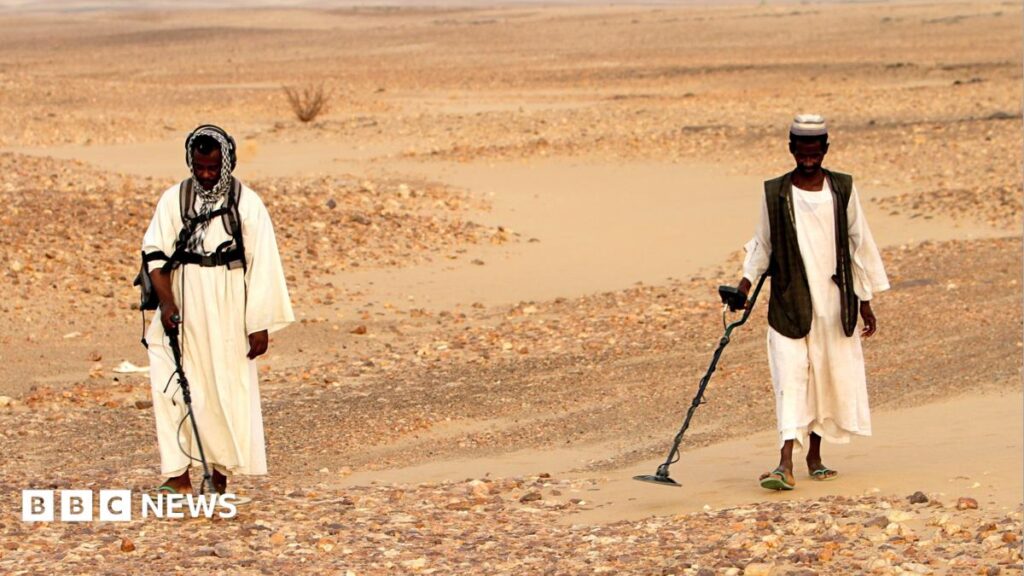
The stretch of desert that separates Egypt and Sudan has, for decades, been a magnet for informal gold miners, many of whom are Sudanese migrants seeking quick cash after the collapse of agriculture in Darfur and the South. Artisanal extraction relies on rudimentary tools, open‑pit pits and makeshift processing camps that sit far from official oversight, creating a legal grey zone that both governments have struggled to regulate.
In recent years, the gold rush has intensified as global metal prices surged, prompting an influx of prospectors from across the Sahel and even from the African diaspora in Europe. The camps are typically located near the Hala'ib Triangle and the disputed Bir Tawil area, where the lack of clear jurisdiction has allowed armed groups and local militias to levy protection fees and, at times, enforce their own brand of security.
Egypt has periodically launched cross‑border operations to curb smuggling and illegal mining, while Sudan’s transitional authorities have condemned the incursions but lack the resources to patrol the vast, arid frontier. This uneasy status quo has set the stage for occasional flashpoints, with the most recent alleged strike representing a dramatic escalation.
The alleged strike and its immediate aftermath
On Saturday, a rights organization – cited by Reuters – reported that a series of aerial and ground attacks targeted an artisanal mining settlement near the Egypt‑Sudan border, leaving “dozens” of gold prospectors dead. The group, which monitors human‑rights violations in the region, said satellite imagery showed smoke plumes and disturbed terrain consistent with a coordinated strike, although neither the Egyptian nor Sudanese governments have officially confirmed the incident.
Survivors who managed to flee the site, according to testimonies collected by local NGOs, described hearing low‑frequency explosions followed by gunfire. They said the attackers wore uniforms resembling those of the Egyptian armed forces, but also carried weapons that are typical of private security contractors operating in the border area. The lack of an official statement has fueled speculation that the operation was either a covert counter‑smuggling raid or a punitive action by a militia protecting its own mining interests.
In the hours after the attack, humanitarian groups set up temporary shelters in nearby villages to treat the wounded and provide food. The United Nations Office for the Coordination of Humanitarian Affairs (OCHA) issued a brief alert warning of a possible displacement wave, noting that the mining community often moves seasonally and that any disruption could push families into already strained refugee camps in eastern Sudan.
Why the incident matters for regional security
The border between Egypt and Sudan has long been a flashpoint for illicit trafficking, armed banditry and, more recently, the spill‑over of Sudan’s civil war that reignited in 2023. An attack of this scale signals that security actors are willing to use lethal force against non‑combatants, raising the risk that the frontier could become a militarised zone rather than a loosely policed economic corridor.
For Egypt, the strike could be interpreted as a message to curtail the flow of gold that fuels a parallel black‑market economy linked to financing of extremist groups in the Sinai Peninsula. Conversely, Sudan’s fragile transitional government, still trying to consolidate power after years of internal conflict, may view the incident as an infringement on its sovereignty, potentially prompting a diplomatic protest or a retaliatory operation across the border.
The broader implication is a possible escalation in a region already grappling with water scarcity, climate‑driven migration and competition over mineral resources. Analysts at the African Development Bank warn that unchecked violence in mining zones could deter foreign investment in the continent’s burgeoning extractive sector, a sector the bank sees as a key driver for post‑pandemic economic recovery.
Human‑rights and legal implications
International law obliges both Egypt and Sudan to protect civilians in areas under their effective control, even when those civilians are engaged in informal economic activity. The alleged killing of dozens of prospectors, many of whom are likely unarmed, could constitute a breach of the right to life under the International Covenant on Civil and Political Rights, to which both states are parties.
Human Rights Watch, in a statement released after the incident, urged an independent investigation and called for the perpetrators to be held accountable, noting that previous investigations into border clashes have often been hampered by limited access and political sensitivities. The organization also highlighted the vulnerability of artisanal miners, who lack formal contracts, social protection and the ability to seek legal redress.
If evidence emerges that state security forces were involved, the incident could trigger calls for sanctions or conditional aid from the European Union and the United States, both of which have tied portions of their development assistance to respect for human‑rights standards. For diaspora communities, especially Sudanese expatriates in Europe and North America, the event has already sparked protests demanding accountability and greater transparency from their home governments.
What comes next: diplomatic and economic fallout
In the short term, both capitals are expected to engage in low‑key diplomatic channels to manage the fallout, as neither side wants to jeopardise cross‑border trade that remains vital for border‑region economies. A joint fact‑finding mission, possibly mediated by the African Union, could be proposed to verify the number of casualties and the identity of the attackers.
Economically, the incident may cause a temporary dip in artisanal gold output from the border area, which accounts for an estimated 2‑3% of Sudan’s total informal gold production, according to a 2025 report by the International Trade Centre. A supply shock could modestly lift global gold prices, but the effect is likely limited given the small scale of the operation compared with large‑scale mining in South Africa and Ghana.
Long‑term, the episode underscores the need for a coordinated regional framework to regulate artisanal mining, protect workers and curb the illicit flow of minerals that fund armed groups. If Sudan and Egypt can negotiate a joint security‑economic pact, it could set a precedent for other African border zones where informal mining intersects with conflict, turning a tragic loss into a catalyst for policy reform.
Quick Answers
How many gold prospectors were reported killed in the Egypt‑Sudan border strike?
Rights groups say dozens of miners were killed, though exact figures have not been independently verified.
Which countries are directly involved in the incident?
The strike occurred on the disputed border between Egypt and Sudan, and both governments have yet to comment.
Could the attack affect global gold prices?
The incident may cause a modest, short‑term rise in gold prices because it reduces informal output from a small but notable mining zone.
Source: www.bbc.co.uk




💬 Comments 0