Guinea landfill collapse kills 30 in Conakry, highlighting chronic waste crisis in West Africa
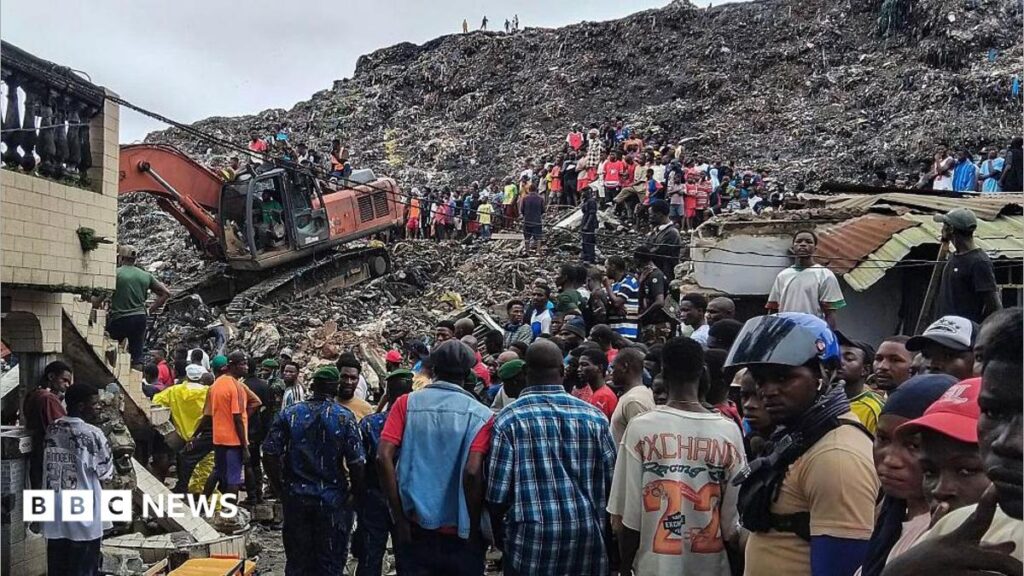
A city choked by waste: Conakry’s mounting garbage problem
Conakry, Guinea’s bustling capital of more than two million residents, has struggled for years with inadequate waste collection and disposal infrastructure. Rapid urbanisation, a burgeoning informal economy, and limited municipal budgets have left many neighborhoods reliant on illegal dumping sites that sit on the city’s fragile coastal plains. The main landfill, known locally as the “Mile‑2 dump,” has become a de‑facto landfill for both household refuse and industrial waste, despite repeated warnings from environmental groups about its structural instability.
The city’s waste‑picker community, estimated at around 5,000 people, extracts recyclables from the mound for a living, often working at the very edge of the heap where the risk of collapse is highest. According to a 2023 report by the African Development Bank, Guinea’s waste‑management budget covers less than 10 % of the total volume of garbage generated, forcing the government to rely on makeshift sites that were never engineered for long‑term use.
Compounding the problem is the lack of a formal segregation system. Organic waste, plastics, and hazardous materials such as batteries and electronic scraps are all mixed together, creating a volatile mass that can shift under heavy rains or seismic tremors. Residents living in informal settlements near the dump have long complained of foul odours, disease outbreaks, and the constant threat of a landslide, but their pleas have received little concrete action.
The tragedy unfolded: how the landfill collapsed
On the early morning of 22 August 2026, a massive section of the Mile‑2 dump gave way, sending a wave of rubbish cascading down the slope and burying several shacks that housed low‑income families. Local officials confirmed that at least 30 people were killed, with dozens more injured and many still missing as rescue teams combed through the debris. The collapse created a crater roughly 30 metres wide and 15 metres deep, swallowing homes that had been built directly on the landfill’s fringe.
Witnesses described a deafening roar as the heap shifted, followed by a cloud of dust and the sickening sound of concrete and timber being crushed. Emergency services, already stretched thin by the city’s chronic resource constraints, arrived within an hour but struggled to navigate the unstable terrain. According to a statement from Guinea’s Ministry of Interior, the rescue effort involved the army, fire brigade, and volunteers from nearby neighbourhoods, many of whom are themselves part of the informal waste‑picking community.
Preliminary investigations suggest that a combination of heavy rain in the days preceding the incident and the uncontrolled accumulation of heavy industrial waste contributed to the structural failure. The government has yet to release a full technical report, but engineers cited by local media say the dump lacked proper drainage and reinforcement, making it vulnerable to the kind of sudden collapse that occurred.
Why the disaster matters beyond the death toll
The human cost is stark, but the collapse also exposes deeper systemic failures that affect public health, the informal economy, and climate resilience across West Africa. Buried homes mean displaced families who will now rely on emergency shelters, straining already limited social services. Moreover, the waste mass contains hazardous chemicals that can leach into groundwater, threatening drinking water supplies for thousands of Conakry residents.
Informal waste pickers, who form a critical part of Guinea’s recycling chain, now face heightened danger and loss of livelihood. Their work recovers an estimated 30 % of the city’s plastic waste, a figure that, if sustained, could reduce the country’s carbon footprint by several thousand tonnes of CO₂ annually. The collapse therefore jeopardises not only individual incomes but also Guinea’s modest contributions to climate mitigation.
From a governance perspective, the tragedy underscores the urgency of integrating solid‑waste management into national development plans. International donors, including the World Bank, have pledged funds for waste‑to‑energy projects in the region, yet implementation has lagged. The incident may accelerate policy reforms, prompting the government to prioritize engineered landfills, enforce zoning laws, and formalise the waste‑picker sector with safety standards and social protections.
A regional pattern: similar failures in West African cities
Guinea is not alone in confronting landfill collapses. In 2022, a landslide at a Lagos waste dump killed 15 people, while Accra’s Kpone landfill has experienced repeated slope failures that forced the relocation of nearby communities. These incidents share common threads: rapid urban growth outpacing waste‑infrastructure, reliance on informal dumping sites, and climate‑induced extreme weather that destabilises poorly engineered heaps.
Experts point to a broader trend of “urban waste vulnerability” across the Sahel and Gulf of Guinea, where many cities lack the fiscal capacity to build modern, lined landfills that meet international safety standards. A 2024 study by the International Solid Waste Association identified 27 African cities with “high‑risk” landfill sites, most of them located near low‑income neighbourhoods. The pattern suggests that without coordinated regional investment, similar tragedies could recur.
The diaspora community, particularly Guinean and West African migrants in Europe and North America, has begun to mobilise around these issues. Online fundraising campaigns and advocacy groups are urging host governments to allocate development aid specifically for sustainable waste solutions, arguing that safer landfills protect both human lives and the reputation of African cities on the global stage.
Reactions and the road ahead: government, NGOs, and the diaspora
President Mamadi Doumbouya announced a three‑day period of national mourning and pledged an “immediate audit” of all municipal waste sites. He also ordered the creation of a task force that includes engineers, health officials, and representatives from the informal sector, a move praised by local NGOs for its inclusive approach. However, critics argue that past promises of reform have stalled, and they demand concrete timelines and transparent budgeting.
International organisations have responded swiftly. The United Nations Development Programme (UNDP) released a statement offering technical assistance for emergency relief and for the design of a new engineered landfill outside the city’s floodplain. Meanwhile, the African Union’s Centre for Climate Change and Sustainable Development called for a continent‑wide “Zero‑Waste” agenda that would integrate waste‑picker cooperatives into formal recycling chains.
For the Guinean diaspora, the tragedy has reignited calls for diaspora‑led investment platforms that channel remittances into infrastructure projects. A newly formed “Guinea Waste Initiative” based in Paris is already drafting proposals for a public‑private partnership to build a sanitary landfill that meets EU standards. If successful, such models could provide a template for other West African nations grappling with the same waste‑management dilemma.
Quick Answers
How many people died in the Conakry landfill collapse?
At least 30 people were confirmed dead after the landfill collapsed on 22 August 2026.
What caused the landfill to collapse in Guinea?
Engineers say heavy rain combined with unengineered waste piles and lack of drainage made the dump structurally unstable.
How does this disaster affect waste pickers in Guinea?
The collapse destroyed homes and livelihoods of many informal waste pickers, threatening their income and the city’s recycling rate.
Source: www.bbc.co.uk




💬 Comments 0