Gunmen kill at least 10 in Binnari village, Taraba State, Nigeria – 2026 attack sparks security concerns
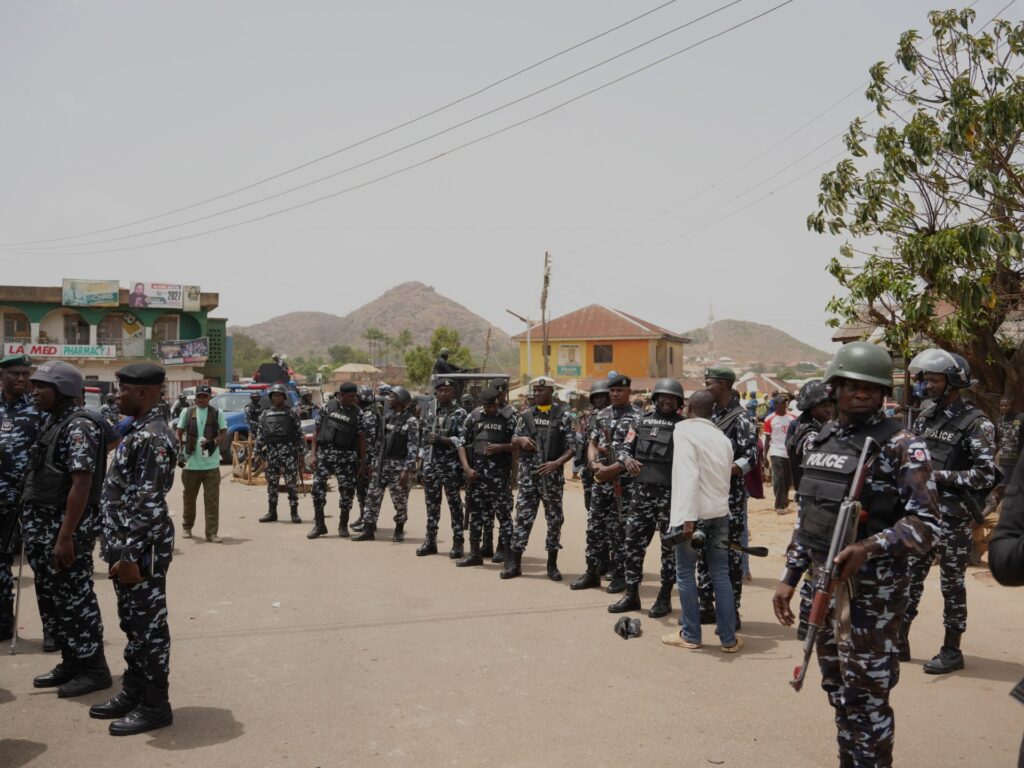
A volatile security backdrop in Nigeria’s east
For more than a decade, Nigeria’s eastern and north‑eastern regions have been plagued by a mix of banditry, communal clashes and insurgent activity. While the Boko Haram insurgency dominates headlines in the far north, the so‑called “bandit” crisis has spread into Taraba, Adamawa and neighbouring states, where loosely organised armed groups prey on villages, farms and trade routes. The lack of a coordinated state response has turned many rural areas into lawless zones.
Experts link the surge in violence to a convergence of factors: a shrinking livelihood base due to desertification, soaring youth unemployment, and the easy availability of small arms. According to a 2025 report by the International Crisis Group, more than 2,000 armed groups now operate across Nigeria’s middle belt, often blurring the line between criminality and political grievance.
What happened at Binnari village
On the night of 23 October 2026, a sizeable contingent of gunmen descended on Binnari, a farming settlement in Taraba’s Karim Lamido Local Government Area. Police released a brief statement saying the attackers entered the village on motorcycles, opened fire indiscriminately and set several huts ablaze. Initial tallies put the death toll at ten, with several others injured and many families displaced.
Local witnesses, speaking to regional radio on Monday, described the assailants as wearing no identifiable insignia, suggesting they were part of the fluid bandit networks that have roamed the area for years. The police said they had recovered a handful of AK‑47 rifles and a cache of ammunition, but no arrests had been made at the time of reporting.
Why the attack matters beyond the immediate tragedy
Beyond the loss of life, the Binnari raid threatens to deepen food insecurity in a state already grappling with drought‑induced crop failures. Taraba’s economy relies heavily on subsistence agriculture; when villages are burned, seasonal harvests are lost, pushing households toward chronic poverty and, paradoxically, into the recruitment pools of armed groups.
The incident also highlights a widening gap between federal security commitments and on‑the‑ground realities. President Bola Ahmed’s administration pledged a “zero‑tolerance” policy on banditry in early 2025, yet the continued frequency of attacks suggests that resources, intelligence sharing, and community policing remain insufficient.
A pattern of escalating attacks across the region
Binnari is not an isolated case. In the past twelve months, at least fifteen villages in Taraba and neighboring Adamawa have reported similar raids, with casualty figures ranging from three to over twenty. A comparative analysis by the Nigerian Institute of Security Studies shows a 38 % rise in bandit‑related deaths in the eastern belt between 2024 and 2026.
The trend mirrors a broader West African shift where loosely organised militias, originally motivated by cattle rustling, have morphed into more sophisticated criminal enterprises. Researchers note that these groups now charge “protection fees” to local traders, creating a parallel economy that erodes state authority and fuels corruption.
Reactions from government, NGOs and the diaspora
Following the Binnari attack, the Taraba State Governor, Darius Bako, ordered an emergency deployment of the state’s Special Anti‑Banditry Unit and promised compensation for victims’ families. In a televised address, he appealed for “unity and swift action” but stopped short of naming any specific perpetrators, a common tactic to avoid inflaming ethnic tensions.
Humanitarian NGOs, including ActionAid Nigeria, have warned that the displacement could swell refugee numbers in nearby Internally Displaced Persons (IDP) camps, already operating beyond capacity. Meanwhile, members of the Nigerian diaspora in the United Kingdom and the United States have rallied on social media, calling for an international spotlight on the crisis and urging foreign aid agencies to prioritize eastern Nigeria.
What comes next – policy options and community resilience
Analysts argue that a multi‑pronged approach is essential. Short‑term measures could involve a rapid joint task force between the army and the police, coupled with targeted intelligence operations to dismantle weapon supply chains. Longer‑term strategies must address the root causes: expanding agricultural extension services, investing in renewable irrigation, and creating vocational programmes for youths vulnerable to recruitment.
Local community leaders are also experimenting with grassroots early‑warning systems, using mobile phones to alert neighboring villages of incoming threats. If scaled, such indigenous networks could buy critical time for evacuation and reduce casualties. The success of these pilots may determine whether bottom‑up resilience can complement top‑down security reforms in Nigeria’s volatile east.
Quick Answers
How many people were killed in the Binnari village attack?
Police confirmed that at least ten residents were killed during the raid on 23 October 2026.
What is driving the rise of bandit attacks in eastern Nigeria?
A mix of climate‑induced livelihood loss, high youth unemployment and easy access to small arms fuels the growth of loosely organised armed groups.
What steps is the government taking after the Binnari incident?
The Taraba State governor ordered an emergency deployment of the Special Anti‑Banditry Unit and pledged compensation for victims’ families.
Source: www.aljazeera.com




💬 Comments 0