Hebron Homes Seized by Israeli Forces for Military Use During 2026 Lockdown
Background
Hebron, a city in the southern West Bank, has long been a flashpoint in the Israeli-Palestinian conflict, with Israeli military presence and settlement activity dating back to the 1967 occupation. Over the years, the Israeli Defense Forces (IDF) have periodically imposed curfews and lockdowns in the city, citing security concerns such as protests, rocket threats, and the need to prevent militant activity. The city’s mixed population—Palestinian residents and Israeli settlers—has made it a microcosm of the broader tensions that ripple through the occupied territories.
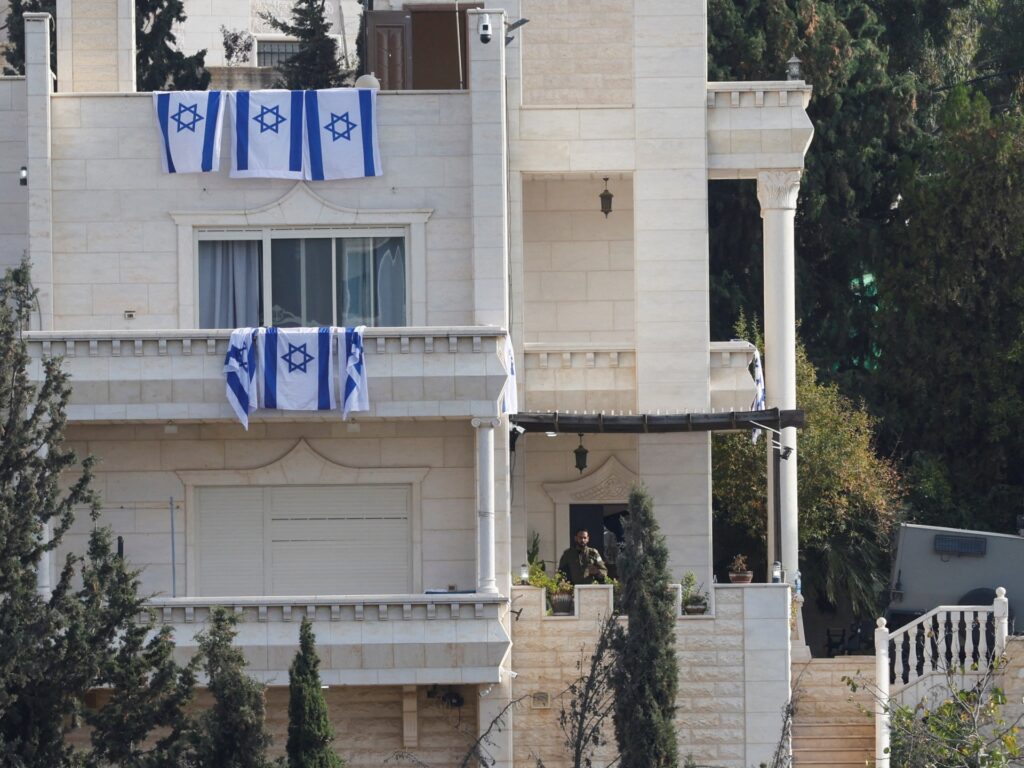
During the 2023 Gaza war, Israeli forces intensified security measures across the West Bank, citing the need to preclude attacks linked to the Gaza Strip. This included the use of civilian properties for military purposes, a practice that has been widely criticized by human rights organisations for violating international humanitarian law. The 2026 lockdown in Hebron is the latest instance of this strategy, with the IDF reportedly converting private homes into makeshift military posts and checkpoints.
The pattern of repurposing residential structures for military use is not new; it has been documented in multiple West Bank locales, including Nablus and Jenin. Such actions are often justified by Israeli officials as necessary for maintaining order, yet they raise serious questions about the balance between security and the rights of civilians under occupation.
The Evictions and Raids
According to reports from local Palestinian media, the IDF began a series of raids early this week, targeting residential blocks in the western part of Hebron. The operation involved the removal of household items, seizure of furniture, and the installation of temporary fencing around the homes. Families were told to vacate their properties by the end of the day, with no clear alternative accommodation provided.
The military posts established on these sites are equipped with surveillance equipment and staffed by soldiers who maintain a 24/7 presence. The IDF’s official statement, released through its spokesperson, claims that the move is part of a broader security initiative aimed at curbing potential threats from extremist groups in the area. However, the timing—coinciding with a citywide lockdown—has led many to question the motives behind the operation.
The evictions have resulted in immediate displacement for dozens of Palestinian families, many of whom have lived in their homes for generations. The removal of personal belongings and the threat of further raids have intensified fears among residents, who fear that their property rights are being systematically eroded under the guise of security.
Impact on the Hebron Community
The seizure of homes has disrupted the daily lives of Hebron’s Palestinian population. Families now face uncertainty about where they will live, with some seeking refuge in neighboring towns or relying on aid from NGOs. The psychological toll of being evicted from one’s home, especially during a lockdown, has been described by local community leaders as a form of collective intimidation.
Economically, the disruption has hit local businesses and informal economies that rely on the stability of the community. Market vendors, artisans, and small shop owners have reported a decline in customers, as the lockdown and increased military presence deter movement and commerce. The cumulative effect is a widening of poverty and a potential increase in unemployment rates within the city.
Socially, the event has intensified tensions between the Palestinian residents and the Israeli settlers. Incidents of vandalism and clashes have been reported, as residents protest the perceived encroachment on their rights. The Israeli military’s presence has also strained the already fragile relations between the Palestinian Authority and the Israeli government, as each side blames the other for escalating violence.
International and Regional Reactions
The United Nations Office for the Coordination of Humanitarian Affairs (OCHA) has called for an immediate halt to the evictions, citing violations of international law regarding the protection of civilians in occupied territories. OCHA’s spokesperson highlighted that the forced removal of civilians from their homes without due process contravenes the Fourth Geneva Convention.
The European Union, through its Humanitarian Aid Office, has urged Israel to ensure that the rights of Palestinian civilians are respected during the lockdown. EU officials have also expressed concerns about the potential for further escalation and the impact on peace negotiations. Meanwhile, the United States, a long-time ally of Israel, has issued a more muted statement, focusing on Israel’s right to self-defense while acknowledging the humanitarian concerns raised by the evictions.
Within the African diaspora, several prominent Nigerian and Kenyan civil society groups have issued statements condemning the displacement of civilians and calling for an end to settlement expansion in the West Bank. These groups emphasize the broader implications for regional stability and the importance of upholding international law.
Legal and Humanitarian Implications
From a legal perspective, the seizure of private property for military use in occupied territories is subject to scrutiny under international humanitarian law. The Fourth Geneva Convention prohibits the appropriation of civilian property for military purposes unless it is absolutely necessary for security and with proper compensation. Critics argue that the rapid conversion of homes into military posts during a lockdown falls short of these criteria.
Humanitarian organisations, including Amnesty International and Human Rights Watch, have documented similar incidents across the West Bank, noting patterns of displacement and the erosion of civil liberties. These organisations have called for independent investigations into the legality of the evictions and the conditions under which families are being displaced.
The potential for legal action is complex. While Palestinian residents can file complaints with the Israeli court system, the jurisdictional challenges posed by the occupation and the limited recourse available in the West Bank mean that many cases remain unresolved. International courts, such as the International Criminal Court, have jurisdiction over war crimes and crimes against humanity, but prosecutions require substantial evidence and political will.
What Comes Next
The Israeli military has announced that the military posts will remain in place until the end of the lockdown, with no immediate plans to return the homes to their former occupants. This stance suggests a continued strategy of using civilian spaces for security purposes, a practice that may persist beyond the current crisis.
In response, Palestinian civil society organisations are preparing legal challenges and seeking international advocacy to reverse the evictions. They are also coordinating with NGOs to provide emergency housing and support for displaced families. The Palestinian Authority has indicated it will file a formal complaint with the UN Human Rights Council, seeking a resolution that addresses the unlawful appropriation of property.
On a broader scale, the incident has reignited discussions about settlement expansion and the future of the West Bank. Analysts predict that the continued use of civilian properties for military purposes may embolden settlement activities, potentially altering the demographic and political landscape of the region. The international community’s response will likely shape whether this trend accelerates or is curtailed.
Quick Answers
Why are Israeli forces converting homes into military posts in Hebron?
Israeli officials justify the moves as necessary for security during the citywide lockdown, aiming to prevent potential attacks and maintain order.
What legal framework governs the seizure of civilian property in occupied territories?
The Fourth Geneva Convention prohibits the appropriation of civilian property for military purposes unless absolutely necessary, requiring proper compensation and adherence to due process.
How can displaced families seek legal recourse against the evictions?
Families can file complaints with Israeli courts, pursue appeals through the Palestinian Authority, or seek international legal action via bodies like the UN Human Rights Council or the ICC, though jurisdictional challenges exist.
Source: www.aljazeera.com

💬 Comments 0