Saudi Arabia intercepts missile and drone attack on Riyadh and southern region, June 2026 – implications for Red Sea trade and African economies
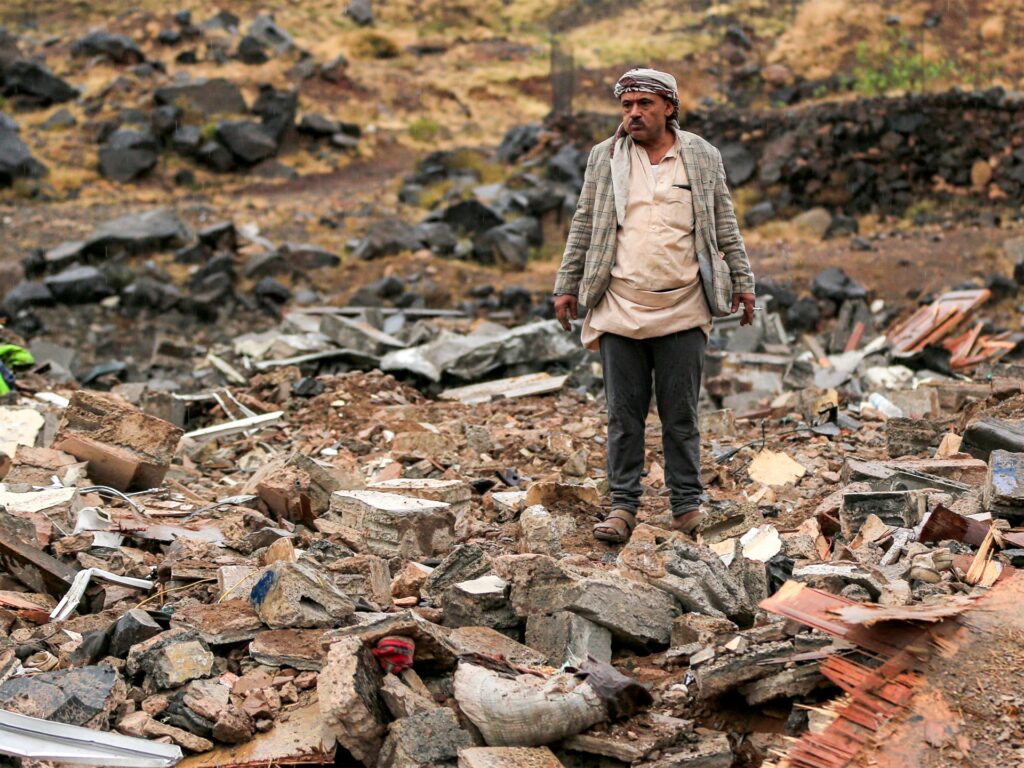
Background: The Yemen war and the Houthi missile surge
The conflict that erupted in Yemen in 2015 has evolved from a civil war into a proxy battleground where Iran-backed Houthi forces regularly target Saudi Arabia and its allies. Over the past two years, the Houthis have upgraded their arsenal, acquiring longer‑range ballistic missiles and armed drones capable of reaching deep into Saudi territory, a shift noted by the International Institute for Strategic Studies.
Saudi Arabia, leading a coalition of Gulf states and backed by Western airpower, has responded with a layered air‑defence network that includes the Patriot and THAAD systems. Yet each successful interception underscores how the war’s technology race is accelerating, forcing Riyadh to invest heavily in early‑warning radars and electronic‑warfare capabilities.
What happened: The June 2026 interception over Riyadh and the south
According to a statement released by the Saudi-led coalition on June 12, 2026, a Houthi‑launched drone and a cruise missile were detected heading toward the capital, Riyadh, while ten additional missiles were aimed at the southern province of Najran. Saudi air‑defence units engaged the threats within minutes, destroying the drone and three missiles over the desert, and intercepting the remaining projectiles before they could strike populated areas.
The coalition’s press release highlighted that the intercepted weapons were part of a coordinated barrage that the Houthis described as a “retaliatory operation” for recent Saudi strikes in Hodeidah. Independent monitoring by the UN Panel of Experts confirmed the use of a new variant of the Quds‑1 drone, which carries a larger payload than earlier models.
Why it matters: Saudi security and the regional power balance
The ability of the Houthis to launch attacks that reach Riyadh signals a widening threat envelope for Saudi Arabia. Security analysts at the Gulf Research Center warn that such deep‑strike capability could force Riyadh to divert resources from its traditional focus on the Persian Gulf to the southern border, potentially weakening its deterrence posture against Iran.
Beyond the immediate military calculus, the incident has diplomatic reverberations. The United States, which provides air‑defence support to the coalition, is under pressure to justify its continued involvement after recent congressional hearings highlighted the growing cost of the Yemen war. A successful Saudi interception may be portrayed as evidence that U.S. technology is still effective, but critics argue it also shows how reliant Saudi Arabia has become on foreign systems.
African angle: Red Sea shipping, oil markets and diaspora concerns
The Red Sea is a lifeline for East African economies such as Kenya, Tanzania, and Ethiopia, which rely on the Bab el‑Mandeb strait for more than 30 % of their import‑export volume. Houthi attacks on commercial vessels have already caused shipping insurers to raise premiums, a trend that directly raises freight costs for African exporters of coffee, tea, and horticultural produce.
Oil price volatility triggered by heightened Saudi‑Houthi tensions also impacts African oil‑producing nations like Nigeria and Angola. A spike in crude prices can boost government revenues in the short term, but it also invites inflationary pressure that erodes real wages for workers across the continent. The diaspora in Gulf states, many of whom send remittances back home, watch these developments closely, as any escalation could tighten visa regimes and affect employment prospects.
Moreover, the African Union’s maritime security task force, which has been coordinating patrols against piracy, is now being urged to monitor potential spill‑over of missile debris in the Gulf of Aden. Sources within the AU’s Department of Peace and Security say that member states are discussing a joint early‑warning system to complement Saudi radar coverage.
What’s next: Diplomatic, military and market outlook
In the diplomatic arena, Saudi Arabia is expected to raise the issue at the upcoming GCC summit, seeking a unified front against Houthi provocations. Experts at the Middle East Institute suggest that Riyadh may also leverage the incident to push for a renewed UN‑brokered ceasefire that includes stricter monitoring of arms shipments to the Houthis.
Militarily, the coalition is likely to intensify its air‑campaign over Houthi‑controlled ports, while simultaneously expanding its missile‑defence footprint in the south. The procurement of additional Patriot batteries, reportedly negotiated with the United States earlier this year, could be accelerated to cover vulnerable oil‑field infrastructure near Jizan.
On the economic front, analysts at Bloomberg predict that crude oil benchmarks could see a modest uptick of 0.8 % in the next week, reflecting market nerves over Saudi security. African importers are advised to lock in freight contracts now, before insurers adjust rates further. For the diaspora, community organisations in Riyadh and Jeddah are already circulating advisories about heightened security checks at airports and border crossings.
Quick Answers
Did the Houthis really target Riyadh in June 2026?
Yes, Saudi officials confirmed that a Houthi‑launched drone and missile were intercepted before reaching Riyadh on June 12, 2026.
How could the attack affect shipping costs for East African countries?
Increased Houthi threats raise insurance premiums for Red Sea vessels, which in turn lifts freight rates for exporters in Kenya, Tanzania and Ethiopia.
Will the incident likely raise oil prices?
Analysts expect a short‑term rise of around 0.5‑1 % in global crude prices as markets react to heightened security concerns in Saudi Arabia.
Source: www.aljazeera.com




💬 Comments 0