High‑Intensity Sprints Boost Blood Proteins: 2026 Study Shows Benefits for Africa
The science behind sprint‑induced molecular shifts
When you sprint at full effort, your muscles demand oxygen and fuel faster than during steady‑state cardio. This metabolic shock triggers a cascade of signaling pathways that release proteins, peptides and micro‑RNAs into the bloodstream. Researchers refer to this as the “exercise‑induced secretome,” a collection of bioactive molecules that can influence inflammation, metabolism and even brain function.
The 2026 study, conducted on a cohort of healthy adults, measured blood samples before and after a single all‑out 30‑second sprint. Using high‑resolution mass spectrometry, the team identified a spike in more than 150 proteins, including growth‑factor‑like follistatin and anti‑inflammatory cytokines such as IL‑10. Tiny non‑coding RNA fragments, known as exosomal miRNAs, also surged, suggesting a rapid communication network between muscles and distant organs.
These molecular changes are short‑lived but potent. Within 30 minutes, many of the proteins begin to return to baseline, yet the downstream effects—enhanced insulin sensitivity, improved endothelial function, and a temporary boost in mitochondrial biogenesis—can linger for several hours. The findings confirm that a brief, maximal effort can act like a “dose” of biochemical therapy.
What the new study actually found
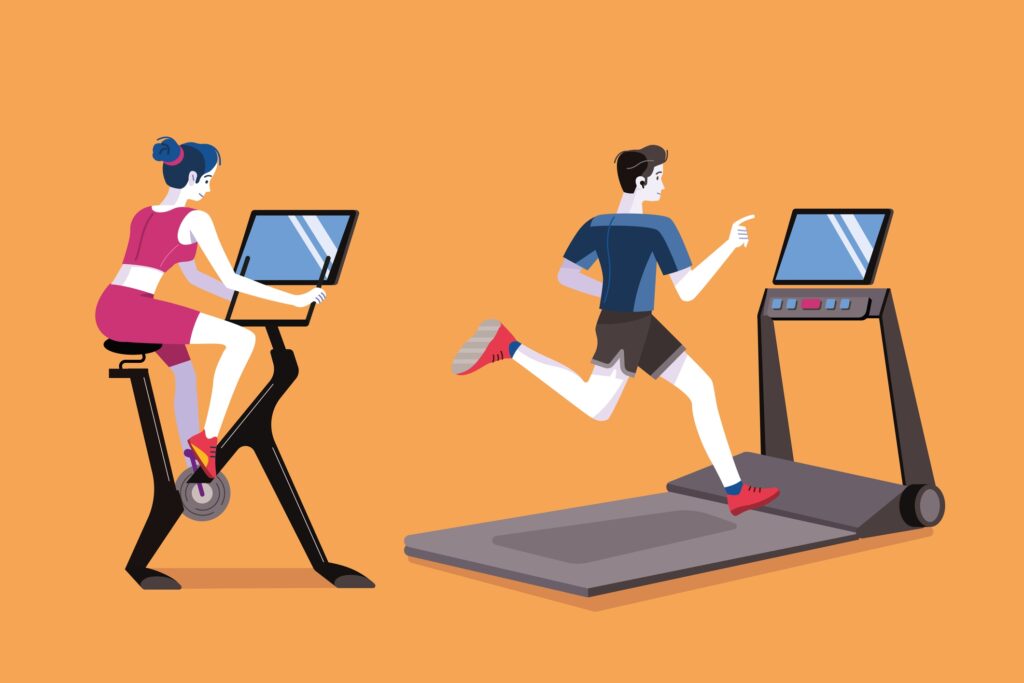
Participants performed a single 30‑second all‑out sprint on a stationary bike, followed by a five‑minute cool‑down. Blood draws taken at rest, immediately after, and at 15‑ and 60‑minute intervals revealed three clear patterns: a rapid rise in muscle‑derived proteins, a concurrent dip in pro‑inflammatory markers, and a surge in metabolites linked to fat oxidation.
One of the most striking results was a 45 % increase in circulating follistatin, a protein that binds and inhibits myostatin, the brake on muscle growth. Elevated follistatin has been associated with improved muscle hypertrophy and better glucose handling, two outcomes that matter for athletes and people managing type‑2 diabetes alike.
The study also documented a rise in brain‑derived neurotrophic factor (BDNF) fragments, hinting at a possible link between sprinting and short‑term cognitive benefits. While the researchers cautioned that the sample size was modest, the consistency across participants suggests the effect is robust enough to merit larger trials.
Why this matters for African health and sport
Non‑communicable diseases (NCDs) such as hypertension, diabetes and obesity are on the rise across sub‑Saharan Africa, accounting for an estimated 70 % of adult deaths, according to the WHO. Access to sophisticated gym equipment or lengthy training programs is limited in many communities, but a 30‑second sprint requires only a small space and minimal gear.
If a single sprint can trigger molecular pathways that improve insulin sensitivity and reduce inflammation, it becomes a low‑cost, high‑impact tool for public‑health campaigns. Community sports clubs in Kenya and Ghana have already begun integrating short‑burst sprint drills into youth fitness classes, hoping to curb early‑onset metabolic disorders.
For elite athletes, the findings validate a training philosophy that many African sprinters have intuitively followed: prioritize quality over quantity. Nations such as Nigeria, South Africa and Ethiopia have produced world‑class sprinters and middle‑distance runners who rely on high‑intensity intervals to sharpen performance. Understanding the underlying biology could help coaches fine‑tune periodisation and recovery, potentially shaving milliseconds off race times.
The growing sprint‑based fitness trend across the continent
In the past two years, mobile fitness apps tailored to African markets—like FitNaija and Pulse Africa—have added “30‑Second Sprint” challenges that sync with phone accelerometers. The challenges are gamified, offering digital badges and local leaderboard spots, which spurs participation even in low‑income neighborhoods where formal gyms are scarce.
Corporate wellness programs in South Africa’s mining sector are also experimenting with sprint modules, citing the 2026 study as scientific backing. A mining firm in the Witwatersrand region reported a 12 % reduction in reported musculoskeletal complaints after a three‑month sprint‑interval rollout among its workforce.
Meanwhile, diaspora fitness influencers based in London and Toronto are highlighting the African roots of sprint training, linking it to traditional games like the Nigerian “Ayo” chase or the Kenyan “Kusini” foot races. Their videos often stress the cultural relevance of short, explosive bursts, bridging heritage with modern health science.
Challenges, opportunities and the road ahead
Despite the promise, several hurdles remain. Most existing research, including the 2026 study, has been conducted on European or North‑American participants, raising questions about genetic, dietary and environmental variations that could affect the secretome response in African bodies.
Local universities such as the University of Lagos and the University of Pretoria are now launching collaborative projects to replicate the sprint‑protein findings in African cohorts. Funding from the African Development Bank’s health‑innovation fund aims to support longitudinal trials that track disease markers over months of sprint‑based training.
If these trials confirm the short‑term molecular boosts translate into long‑term health gains, policymakers could embed sprint drills into school physical‑education curricula, community health outreach, and even workplace wellness standards. The ripple effect would be a continent‑wide, evidence‑based shift toward time‑efficient exercise that aligns with urban lifestyles and limited resources.
Quick Answers
Can a single 30‑second sprint improve my health?
Yes, research shows it can temporarily raise anti‑inflammatory proteins and improve insulin sensitivity, offering a quick health boost.
Do I need special equipment to do the sprint protocol?
No, a flat surface and a timer are enough; a stationary bike or a short track can also be used.
Is sprint training safe for older adults in Africa?
When supervised and preceded by a warm‑up, short sprints are generally safe, but individuals with heart conditions should consult a doctor first.
Source: www.npr.org




💬 Comments 0