Himalayan monal changes its song amid rising human activity, 2026 Nepal study shows
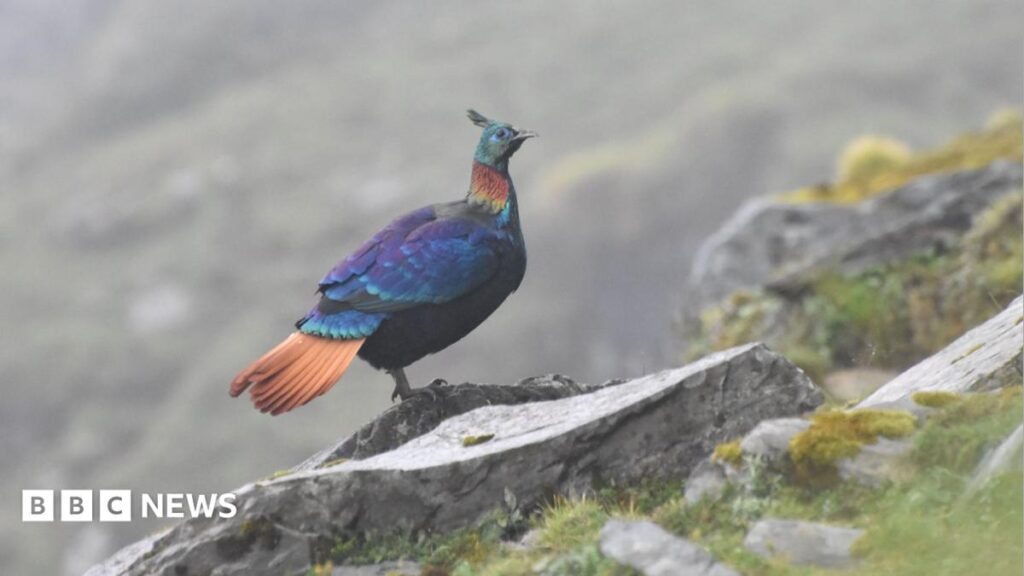
The Himalayan monal and its iconic call
The Himalayan monal (Lophophorus impejanus) is a flamboyant pheasant that roams the alpine meadows of Nepal, Bhutan, India and Tibet. Its iridescent plumage and clear, whistling calls have made it a symbol of the region’s natural heritage and a draw for trekkers seeking a glimpse of the bird in its high‑altitude home.
Scientists have long used the monal’s vocalizations as a proxy for monitoring population health, because the bird’s song travels far across the open terrain and can be recorded without disturbing the animal. Traditional monal calls consist of sharp, melodic whistles that vary in pitch and timing depending on the season and the bird’s social context.
In recent years, however, researchers have noticed a subtle but consistent shift in the structure of these whistles. Field recordings taken between 2015 and 2024 show that monals are now emitting shorter, higher‑frequency notes, a pattern that aligns with increased human presence in their habitats.
What the 2026 research uncovered
A team from the University of Kathmandu, in partnership with the World Wildlife Fund, published a detailed analysis in early 2026. The study compared over 3,000 hours of audio captured at three mountain sites—one near a bustling trekking hub, one beside a new hydro‑electric project, and a control site with minimal disturbance.
Statistical modelling revealed that monals living within a 5‑kilometre radius of roads, construction sites or tourist lodges sang on average 12 percent higher in frequency and 18 percent shorter in duration than those at the pristine site. The researchers argue that the birds are adapting to a noisier soundscape, where low‑frequency background noise from engines and human voices can mask their original calls.
Lead author Dr. Anjali Shrestha explained that the shift is not merely cosmetic; it could impair the birds’ ability to attract mates, defend territories or warn of predators. “If the new song no longer reaches the intended listeners, we may see cascading effects on breeding success and population stability,” she warned.
Why the change matters beyond the Himalayas
Acoustic interference is a growing concern for wildlife worldwide, and the monal case adds a high‑altitude example to a pattern already documented in urban songbirds, marine mammals and African savanna elephants. When animals alter their calls, they risk losing the subtle nuances that convey identity, urgency or reproductive fitness.
For ecosystems that depend on the monal as a seed disperser and a prey item for raptors, any decline in its numbers could ripple through food webs. Moreover, the bird is a flagship species for community‑based tourism; a quieter or less vocal monal may diminish the experience for trekkers, reducing income for villages that rely on eco‑tourism grants and guide fees.
The findings also highlight a blind spot in many conservation policies that focus on land‑use change but overlook sound pollution. While protected‑area designations often ban logging or mining, they rarely set limits on noise levels or regulate the timing of tourist activities, leaving an invisible threat unchecked.
Echoes in Africa: similar battles for sound
Across the continent, researchers are documenting parallel stories. In Kenya’s Maasai Mara, lions have been forced to roar at higher pitches to cut through the din of nearby highways, a shift that could affect pride cohesion, according to a 2025 study by the University of Nairobi. In South Africa’s fynbos, the Cape sugarbird is shortening its song in response to wind‑farm turbines, potentially compromising mate attraction.
These African cases share three common threads with the Himalayan monal: rapid infrastructure growth, expanding tourism and limited acoustic‑impact assessments. They illustrate that the challenge is not confined to one mountain range but is a symptom of a broader development paradigm that privileges visible footprints over hidden ones.
Importantly, African conservation NGOs have begun to lobby for “quiet zones” in protected areas, a concept that could be adapted for the Himalayas. By integrating sound‑mapping into environmental impact assessments, governments can balance development goals with the acoustic needs of wildlife, preserving both biodiversity and the cultural value of iconic species.
What comes next: policy, community action and research
The Kathmandu team recommends three immediate steps. First, establish buffer zones around critical monal habitats where motorised traffic is limited during breeding seasons. Second, install low‑impact trail signage that encourages hikers to keep voice levels down and avoid group chanting near known roosting sites. Third, fund long‑term acoustic monitoring programmes that can alert managers to sudden changes in soundscape quality.
Local communities stand to benefit from these measures. Many villages already run homestays and guide services; by marketing “silent‑trek” experiences, they can attract a niche of eco‑conscious travelers willing to pay a premium for a quieter wilderness. Training guides in basic bio‑acoustics could also create new jobs and foster stewardship of the monal’s song.
On the research front, scientists are calling for comparative studies that link vocal changes to reproductive outcomes. If a clear causal chain is established, it could strengthen legal cases for stricter noise regulations in mountain development projects—not just in Nepal, but wherever the echo of human progress threatens the natural chorus.
Quick Answers
Why are Himalayan monals changing their song?
They are adapting to louder environments caused by roads, construction and tourism, which mask their original low‑frequency calls.
How could the monal’s vocal shift affect local communities?
A quieter or altered monal may reduce wildlife‑watching appeal, potentially lowering tourism revenue that many mountain villages depend on.
Is noise pollution affecting African wildlife too?
Yes, studies in Kenya and South Africa show lions and birds adjusting their calls, indicating a continent‑wide impact of human‑generated sound.
Source: www.bbc.co.uk




💬 Comments 0