Hōlei Sea Arch Collapse 2026: 550‑Year‑Old Hawaiian Landmark Falls, Impact on Tourism and Climate Lessons
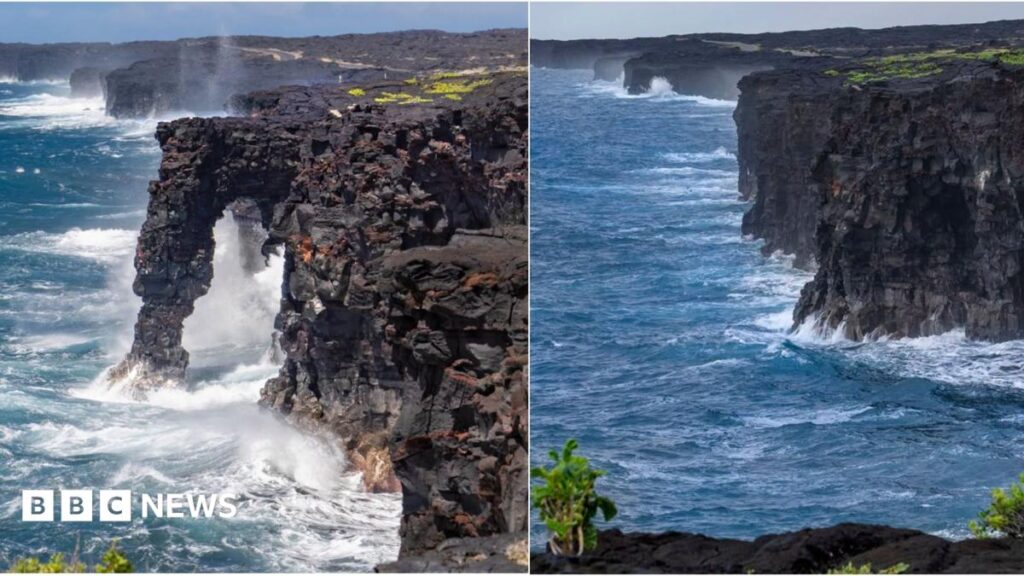
A landmark etched in stone and legend
The Hōlei Sea Arch, perched on the rugged shoreline of Hawaiʻi Volcanoes National Park, had stood for roughly 550 years, carving a dramatic silhouette against the Pacific. Formed from ancient lava flows that solidified into basalt, the natural bridge became a pilgrimage spot for hikers, photographers, and cultural practitioners who saw it as a living reminder of the islands’ volcanic origins.
Beyond its geological allure, the arch held deep cultural resonance for Native Hawaiians. Oral histories speak of the formation as a gateway for spirits traveling between the sea and the land, and it featured in chants and hula performances that celebrated the relationship between people and the ocean. The site thus blended scientific curiosity with spiritual significance, making its loss feel like the erasure of a tangible piece of Hawaiian identity.
What happened: the arch’s sudden demise
Late on the weekend of September 28, 2026, park rangers received reports of a thunderous crack echoing along the cliff line. When they arrived, the iconic basalt arch had crumbled into a heap of jagged rocks and sand, leaving only a fragmented base jutting out of the surf. The National Park Service confirmed that the collapse occurred without any preceding earthquake or tsunami, suggesting a gradual weakening that reached a tipping point.
Scientists attribute the failure to a combination of persistent wave action, salt‑water erosion, and the natural weathering of basalt over centuries. Recent measurements showed that the arch’s keystone had developed hairline fractures, a condition that intensified after an unusually strong swell in early September, according to a study released by the University of Hawaiʻi’s Geology Department.
Why it matters: geology, climate and cultural heritage
The collapse offers a rare, real‑time case study of coastal erosion on volcanic rock, a process that usually unfolds over millennia. Researchers say the event underscores how rising sea levels and increased storm intensity—both linked to climate change—can accelerate the degradation of even the most resilient formations. The arch’s failure provides concrete data that could refine predictive models for similar structures worldwide.
For Hawaiians, the loss is more than a geological footnote. The arch’s disappearance highlights the vulnerability of cultural landmarks to environmental forces, prompting calls for stronger preservation strategies that integrate traditional knowledge with modern science. Community leaders are now advocating for documentation projects that capture oral histories and visual records before other sacred sites face comparable threats.
Tourism shockwaves: local economies feel the tremor
Hōlei Sea Arch was a magnet for both domestic visitors and international tourists, contributing an estimated $12 million annually to the island’s tourism revenue, according to a 2025 Hawaiʻi Tourism Authority report. The sudden absence of the arch is expected to dent visitor numbers to the park’s southern trail, especially during the peak winter season when travelers flock to the dramatic coastline.
Local businesses—tour operators, food stalls, and souvenir shops—have voiced concern over potential revenue shortfalls. Some operators are pivoting by promoting alternative hikes, such as the nearby Kilauea Iki trail, while others are developing virtual‑reality experiences that recreate the arch’s former grandeur. The shift reflects a broader industry trend of diversifying attractions to mitigate the impact of natural disruptions.
A global echo: parallels with Africa’s eroding coasts
While Hawaiʻi’s basalt cliffs are unique, the underlying issue of coastal erosion resonates across Africa’s shoreline nations. Countries like Senegal, Mozambique, and Kenya are witnessing accelerated loss of mangroves, dunes, and historic sites as sea levels rise and storm surges intensify. The Hōlei collapse serves as a cautionary illustration for African policymakers who grapple with protecting UNESCO World Heritage sites such as the Kilwa Kisiwani ruins or the Cape Town beachfront heritage.
Environmental NGOs in Africa have begun citing the Hawaiian incident in advocacy briefs, arguing that investment in coastal monitoring technologies—like the LiDAR scanners used by the University of Hawaiʻi—could help safeguard vulnerable African coastlines. The shared challenge underscores a need for trans‑pacific knowledge exchange, where lessons from volcanic islands inform adaptation strategies for continental shelf regions.
What’s next: monitoring, remembrance, and resilience
In the wake of the collapse, the National Park Service has launched a continuous monitoring program that employs drones and acoustic sensors to track erosion rates along the park’s southern cliffs. The data will feed into a public dashboard, allowing scientists and visitors alike to see real‑time changes, a move that aligns with broader trends toward open‑source environmental data.
Cultural groups are planning a commemorative ceremony to honor the arch’s spirit, blending traditional chants with modern storytelling. Meanwhile, researchers are drafting a peer‑reviewed paper that will compare the Hōlei event with similar basaltic failures in Iceland and the Azores, aiming to refine global risk assessments for coastal rock formations.
Quick Answers
What caused the Hōlei Sea Arch to collapse?
The arch fell due to long‑term salt‑water erosion, wave action and existing fractures that were aggravated by a strong September swell.
When did the Hōlei Sea Arch collapse?
The structure collapsed over the weekend of September 28‑29, 2026, according to the National Park Service.
How will the collapse affect tourism in Hawaiʻi?
Visitor numbers to the southern trail of Hawaiʻi Volcanoes National Park may dip, potentially reducing park‑related revenue by several million dollars, prompting operators to promote alternative attractions.
Source: www.bbc.co.uk




💬 Comments 0