Houthi missile and drone strike kills 30 Yemeni troops in Marib and Hadramawt, 2026
Background: Yemen’s war and the Red Sea’s strategic importance
Since 2014, Yemen has been a battlefield for rival factions, with the Iran‑backed Houthi movement fighting the Saudi‑led coalition that backs the internationally recognised government. The conflict has spilled into the Red Sea, a vital artery for global trade that also carries a large share of Africa’s export‑import traffic, especially for Ethiopia, Kenya and Sudan.
Marib and Hadramawt are two of the most contested provinces. Marib hosts oil and gas fields that fund the Yemeni government, while Hadramawt contains the strategic port of Mukalla and a network of pipelines. Control of these regions determines not only the balance of power in Yemen but also the safety of shipping lanes that pass within a few dozen nautical miles of the African coast.
The latest attack: missiles, drones and a reported death toll
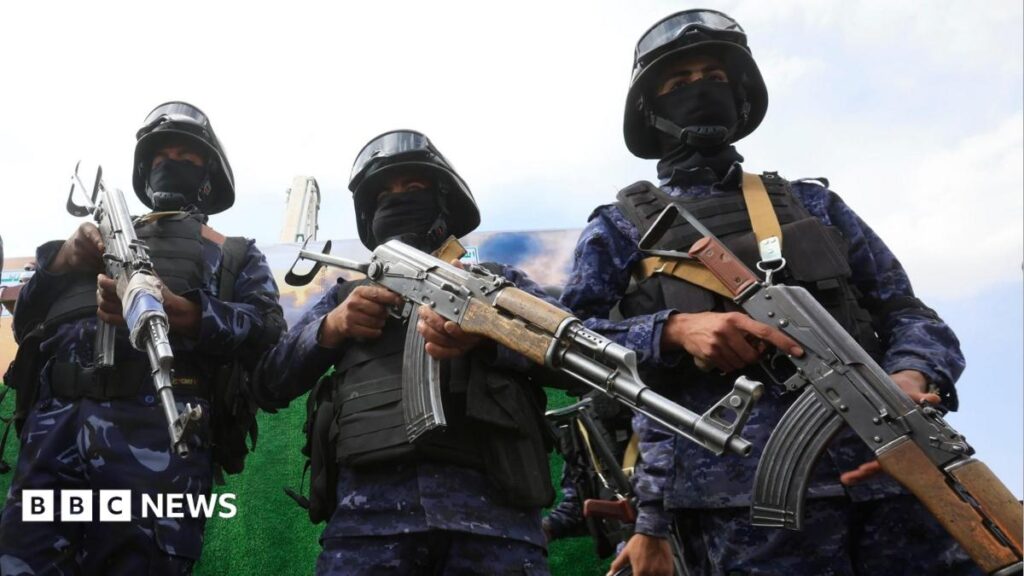
On August 5, 2026, the Houthi military announced that it had launched a coordinated barrage of missiles and unmanned aerial vehicles against what it described as "Saudi military build‑ups" in Marib and Hadramawt. Yemeni government sources confirmed that at least 30 of their soldiers were killed in the strikes, although the exact number remains under verification.
The Houthi statement said the operation targeted logistics hubs and air‑defence installations that they claim were being used by Saudi forces to stage further offensives. Satellite imagery released by a monitoring group later that day showed smoke plumes over two known military encampments, lending credence to the claim that the attacks were substantial.
Why the strike matters for Africa and its economies
The Red Sea is a chokepoint for more than 10 % of the world’s maritime trade, and a significant proportion of that traffic originates from or is destined for African ports. Any escalation that threatens the safety of vessels can trigger higher insurance premiums, rerouting costs and delays that directly affect African exporters of coffee, tea, horticultural produce and minerals.
In particular, Ethiopia’s landlocked status makes it heavily reliant on the Port of Djibouti, which lies just north of the conflict zone. A spike in security incidents often forces shipping companies to divert to alternative routes such as the Cape of Good Hope, adding weeks to delivery times and raising the price of imported fuel and fertilizers that Ethiopian farmers need for the upcoming planting season.
Moreover, Saudi Arabia has been a major investor in African agriculture and infrastructure projects. Heightened tension with the Houthis could force Riyadh to re‑allocate resources away from its African initiatives, slowing down planned irrigation schemes in Sudan and renewable‑energy ventures in Kenya.
Regional reactions: Gulf states, African partners and the diaspora
Saudi Arabia condemned the attack, labeling it a "terrorist act" and warning that the coalition would intensify its response. The United Arab Emirates, another key backer of the Yemeni government, issued a statement pledging "additional air support" to protect its forces in the south.
African diplomatic missions in the Gulf, especially those from Kenya and Tanzania, have called for restraint, noting that any widening of the conflict could jeopardise the safety of African workers employed on Saudi‑owned construction projects in the region. The Yemeni diaspora in East Africa, though small, has expressed concern that a prolonged war could cut off remittance flows that many families rely on.
Humanitarian NGOs warned that the escalation could further restrict aid convoys that travel through the Red Sea corridor to reach famine‑stricken parts of Yemen, a crisis that already strains donor budgets for African food‑security programmes.
What’s next? Possible scenarios for the conflict and African interests
Analysts say the Houthis are seeking to demonstrate that they can still strike deep into government‑held territory, a message aimed at both Riyadh and the United States, which has recently increased its advisory presence in the Gulf. If the coalition responds with a large‑scale air campaign, the risk of spill‑over attacks on commercial shipping could rise sharply.
For African stakeholders, the immediate priority is to secure alternative logistics arrangements. Shipping firms are already negotiating temporary insurance waivers for vessels that choose to skirt the high‑risk zone, while African exporters are looking at air‑freight options for high‑value goods, despite the higher cost.
Long‑term, the conflict underscores the need for African countries to diversify trade routes and invest in regional ports such as Lamu in Kenya and the new deep‑water terminal at Djibouti. Strengthening intra‑African corridors could reduce dependence on a single maritime chokepoint that is vulnerable to geopolitical flashpoints like the Yemen war.
Quick Answers
Q: How many Yemeni government troops were reported killed in the recent Houthi attack?
A: At least 30 soldiers were reported dead, according to Yemeni government sources cited on August 5, 2026.
Q: Why does the Yemen conflict matter to African economies?
A: The Red Sea is a key shipping lane for African exports and imports; heightened security threats raise freight costs, cause delays, and can force rerouting around the Cape of Good Hope.
Q: What could African exporters do if Red Sea shipping becomes unsafe?
A: They may shift to air freight for urgent cargo, negotiate special insurance terms for vessels that bypass the danger zone, or explore alternative ports and overland corridors to reduce reliance on the Red Sea.
Quick Answers
How many Yemeni troops were killed in the Houthi attack?
At least 30 Yemeni government soldiers were reported killed in the missile and drone strike on August 5, 2026.
What impact could the Yemen conflict have on African trade?
Escalation in the Red Sea can raise shipping costs, cause delays, and force African exporters to seek alternative routes, affecting commodities like coffee, tea and minerals.
What steps are African businesses taking in response?
They are negotiating special insurance, considering air‑freight for high‑value goods, and looking to develop regional ports to lessen dependence on the Red Sea corridor.
Source: www.bbc.co.uk




💬 Comments 0