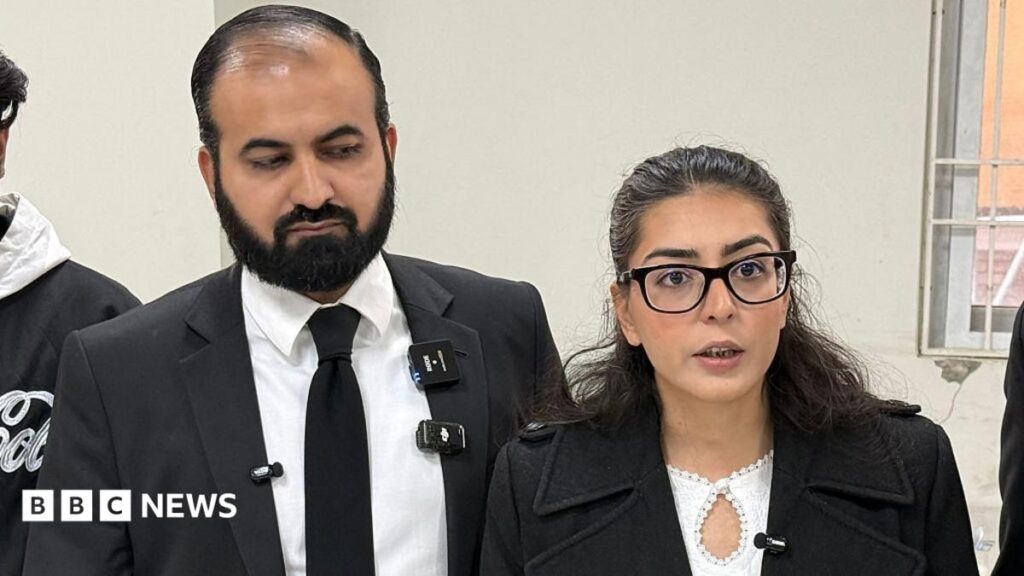
Human rights lawyers Imaan Mazari and Hadi Ali Chattha sentenced to 10 years in Pakistan over 2024 England cricket incident
Background: the England cricket tour and the protest
In March 2024, the England cricket team made a high‑profile tour of Pakistan, marking the first full series in the country since 2009. The visit was hailed as a diplomatic win for Pakistan’s sports ministry, which hoped the matches would boost tourism and signal a return to normalcy after years of security concerns.
During the second Test in Lahore, a small group of activists staged a sit‑in outside the stadium, demanding the release of political prisoners and condemning what they called "state‑sanctioned oppression." Among the protesters were Imaan Mazari, a well‑known human‑rights lawyer, and her husband, fellow attorney Hadi Ali Chattha. Their involvement was widely reported in local media as a peaceful, albeit high‑risk, act of civil disobedience.
The trial and the ten‑year sentence
Pakistani authorities arrested Mazari and Chattha later that night, charging them with "undermining national security" and "inciting public disorder," offences that carry heavy penalties under the country's anti‑terrorism statutes. The case was tried in a special anti‑terrorism court in Lahore, where the couple was denied the right to present independent expert testimony, according to a statement from the Human Rights Commission of Pakistan.
On 27 October 2026 the court handed down a ten‑year prison term for each defendant, along with a fine of 500,000 rupees. The verdict was delivered without a public hearing, prompting criticism from legal scholars who argue that the process violated both Pakistan’s constitution and international human‑rights norms.
Why the sentencing matters: a broader crackdown on dissent
The harsh punishment fits a pattern of escalating repression that has intensified since the 2023 military‑backed government reshuffle. Human‑rights organisations such as Amnesty International and Front Line Defenders have documented a surge in prosecutions of lawyers, journalists and activists under vaguely worded security laws.
Legal experts say the case sends a chilling message to civil‑society actors: even peaceful protest linked to high‑visibility events like international sports can be framed as terrorism. This undermines Pakistan’s commitments under the International Covenant on Civil and Political Rights, to which it is a signatory, and risks eroding public confidence in the judiciary.
Regional ripple effects: diaspora, African journalists and future sporting ties
The sentencing reverberates beyond Pakistan’s borders. A sizable South Asian diaspora in the United Kingdom, Canada and the Gulf has voiced concern that the verdict may affect their ability to travel or work in Pakistan, especially for those involved in advocacy or media. The British Foreign Office issued a travel advisory on 28 October, urging its citizens to reconsider non‑essential trips to Pakistan until the case is reviewed.
African journalists covering South Asian affairs have also taken note. Several African news bureaus based in Karachi reported increased difficulty obtaining visas for reporters after the ruling, fearing they could be mistakenly linked to “political agitation.” This could limit African perspectives on South Asian geopolitics, a gap that many diaspora readers rely on for balanced coverage.
Reactions from the international community and local civil society
Human‑rights groups have condemned the verdict as a violation of due process. According to a press release from the International Bar Association, the sentencing “undermines the rule of law and threatens the safety of lawyers across the region.” The United Nations Office of the High Commissioner for Human Rights called for an urgent review, stating that the punishment appears “disproportionate to the alleged conduct.”
Within Pakistan, the legal community has organized a series of protests and petitions demanding the couple’s release. The Pakistan Bar Council filed a petition with the Supreme Court, arguing that the anti‑terrorism court lacks jurisdiction over peaceful protest. Meanwhile, political parties on both the left and right have used the case to rally support, framing it as either a fight against foreign interference or a necessary stand against lawlessness, respectively.
What’s next? Appeals, diplomatic fallout and the future of sports diplomacy
Mazari and Chattha are expected to appeal the verdict to the Lahore High Court within the next 30 days, a move that could delay the enforcement of their sentences pending a stay order. Legal analysts suggest that if the appeal succeeds, it could set a precedent for limiting the use of anti‑terrorism legislation against peaceful dissent.
The case may also affect Pakistan’s sports‑diplomacy agenda. The England and Wales Cricket Board (ECB) has postponed plans for a 2027 tour, citing “security concerns and the broader human‑rights climate.” If the situation does not improve, other international bodies—such as the International Olympic Committee—could reconsider hosting events in Pakistan, impacting the country’s long‑term economic and soft‑power goals.
Quick Answers
Why were Imaan Mazari and Hadi Ali Chattha sentenced to ten years in prison?
They were convicted of "undermining national security" and "inciting public disorder" for a peaceful protest during England's 2024 cricket tour, under Pakistan's anti‑terrorism laws.
How does this sentencing affect Pakistan's international sporting relationships?
The verdict has led the England cricket board to postpone future tours and raised doubts among other sports federations about holding events in Pakistan.
What impact does the case have on African journalists working in Pakistan?
African media bureaus report tighter visa scrutiny and fear of being linked to political activism, which could limit African coverage of South Asian affairs.
Source: www.bbc.co.uk




💬 Comments 0