Hungary Opens Secret Police Files 37 Years After Communism: What It Means for Europe
Background: Hungary's Cold War Shadow
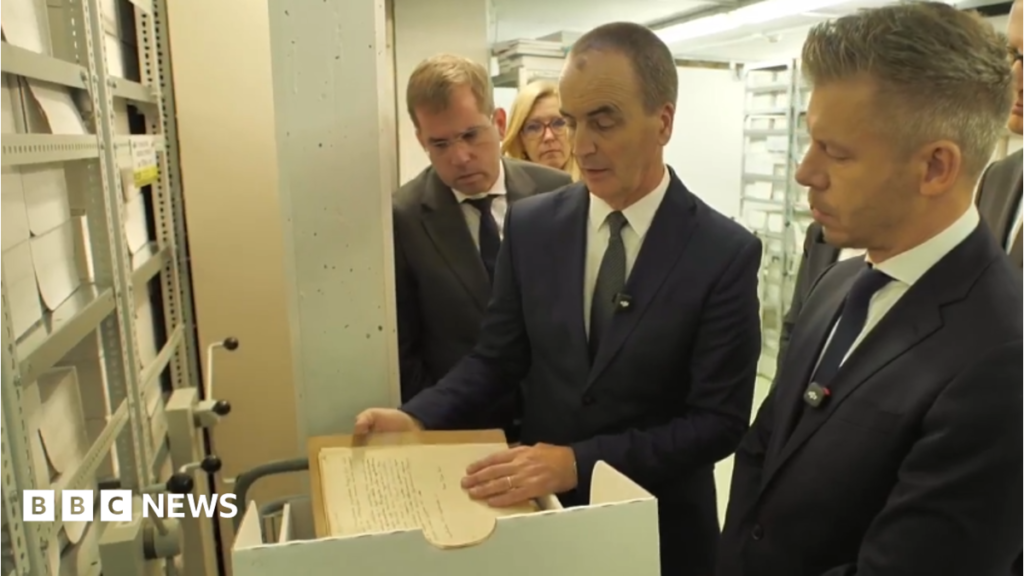
For decades after 1989, Hungary kept the records of its state security apparatus—known as the ÁVH and later the Átirányítási Hivatal—locked away from public view. The archives, which contained surveillance notes, interrogation logs, and lists of informants, were considered sensitive and were only partially accessible to researchers. The decision to finally open them 37 years after the fall of communism reflects a growing trend across Eastern Europe to confront the past, yet it also highlights the lingering unease around state‑controlled narratives. Critics argue that the delay has allowed memories to fade and legal claims to become more difficult to pursue, raising questions about the effectiveness of delayed truth‑seeking.
The Release: Scope and Process
The Hungarian government announced that it would release approximately 1.5 million pages of secret police files, covering the period from 1945 to 1990. The Ministry of Justice, in partnership with the National Archives, will provide digitised copies to families of victims and to civil society organisations, while still keeping a physical copy in a secure facility. The files include names of alleged informants, details of surveillance operations, and records of arrests and interrogations. Although the release is comprehensive, some documents remain redacted under privacy laws, which critics say makes the archive incomplete and hampers full reconciliation.
Why It Matters: Memory, Politics and EU Relations
The unveiling of these documents carries significant weight for Hungary’s domestic politics, where the ruling Fidesz party, led by Viktor Orbán, has been accused of manipulating history to consolidate power. By allowing families to see evidence of state‑era abuses, the government may be attempting to balance its nationalist narrative with a more open historical record. However, opponents warn that the files could be weaponised in political campaigns, potentially deepening societal divisions. On the European stage, the move is seen as a response to the EU’s insistence on transparency and rule‑of‑law standards, particularly in the context of Hungary’s ongoing disputes over judicial independence and media freedom. The release may therefore be a strategic gesture aimed at easing EU criticism while still maintaining a degree of control over the narrative.
African Lessons: Transitional Justice and Archival Access
Africa’s own journeys through post‑colonial and post‑apartheid transitions offer valuable parallels. In South Africa, the Truth and Reconciliation Commission relied heavily on archival evidence to uncover state‑sanctioned violence, while Rwanda’s Gacaca courts used community‑based testimony to address mass atrocities. These experiences underline the importance of accessible archives for truth‑seeking, reparations, and societal healing. Yet, the Hungarian case also mirrors the cautionary tales from some African contexts, where delayed or incomplete documentation has led to mistrust in official processes and hindered legal redress. For African nations grappling with past abuses—such as Nigeria’s military dictatorships or the legacy of the Biafran war—Hungary’s release serves as both a warning and a potential roadmap: that timely, comprehensive archival access can strengthen justice mechanisms but also demands safeguards against politicisation.
Looking Ahead: Legal, Political and Societal Implications
Legally, the newly available files may open avenues for civil lawsuits against former officials and for the state to compensate victims, although the statute of limitations and data protection laws pose challenges. Politically, opposition parties could use the documents to challenge Orbán’s administration, potentially reshaping Hungary’s electoral landscape. Societally, the release may spark a renewed public debate about collective memory, the role of former informants, and how to reconcile with a painful past. On an international level, the move could influence Hungary’s future negotiations with the EU, especially regarding the rule‑of‑law criteria and potential funding. Finally, the archives’ release sets a precedent that may encourage other former communist states to follow suit, contributing to a broader European reckoning with 20th‑century totalitarianism.
Quick Answers
How many pages of secret police files are being released in Hungary?
Approximately 1.5 million pages covering the period from 1945 to 1990 have been announced for release.
Will the Hungarian archives be fully accessible to the public?
Families of victims and civil society organisations will receive digitised copies, while physical copies remain secured; some documents will stay redacted under privacy laws.
What could be the impact of these releases on Hungary’s relationship with the EU?
The release is seen as a gesture to meet EU rule‑of‑law concerns, potentially easing tensions over judicial independence and media freedom, but it also risks political backlash domestically.
Source: www.bbc.co.uk




💬 Comments 0