Iceland EU Membership Referendum 2026: Fish Quotas, Economy and Geopolitics at Stake
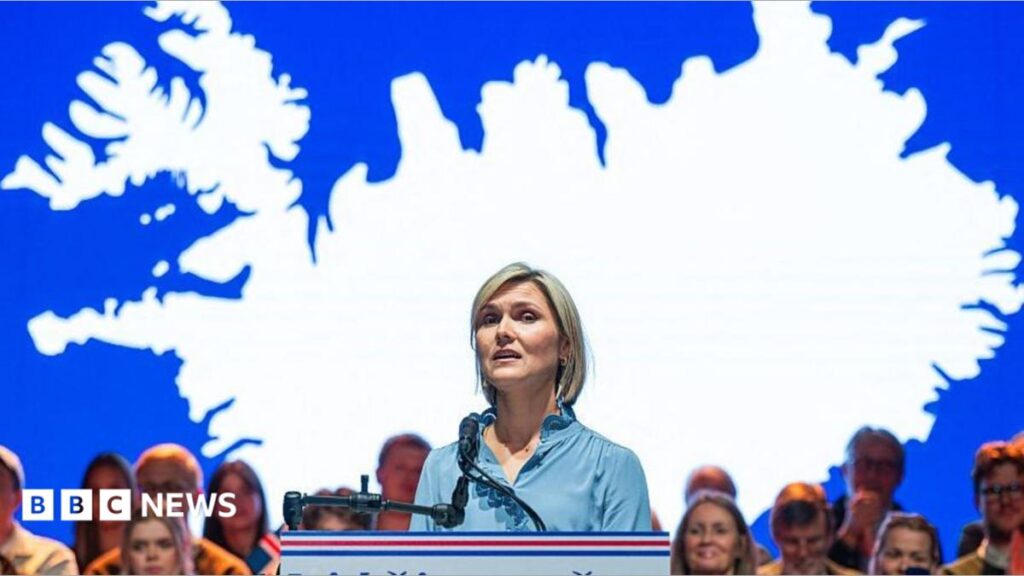
Background – Iceland’s uneasy dance with the EU
Iceland has been a candidate for EU accession since 2009, but negotiations have stalled repeatedly over fishing rights, a sector that accounts for about 40% of the country’s export earnings.
The 2008 financial crisis, followed by a banking collapse, left Iceland wary of ceding any more sovereignty, especially after the EU’s Common Fisheries Policy (CFP) was seen as a potential threat to its prized cod stocks.
Recent geopolitical shifts – Russia’s war in Ukraine, rising Atlantic tensions and the EU’s push for strategic autonomy – have revived interest in whether deeper integration could bolster Iceland’s security and economic resilience.
The referendum – what voters are deciding on Saturday
The ballot does not ask directly whether Iceland will join the EU; instead it asks if the government should formally open accession talks, a procedural step that would trigger a series of negotiations on trade, migration and, crucially, fisheries.
Polls from the Icelandic National Survey show the electorate split roughly 48‑48, with the remaining 4% undecided, reflecting a nation divided between protecting its fishing heritage and seeking a broader market for its exports.
The “yes” camp, led by the centre‑right Independence Party, argues that EU membership would give Iceland access to the single market, EU subsidies for renewable energy, and a stronger diplomatic voice on Arctic issues.
Why fish matter beyond Iceland – a global perspective
Iceland’s 1.2 million‑tonne annual catch supplies not only Europe but also markets in Asia and Africa, where Icelandic cod and haddock are prized for their quality and sustainability certifications.
If the EU’s CFP were applied, Icelandic quotas could be pooled with other member states, potentially lowering the price of Icelandic fish in African import markets and reshaping supply chains that many West African fish processors rely on.
Conversely, African fisheries unions fear that a stronger EU bloc could push stricter import standards, making it harder for smaller African exporters to compete for the same premium markets that Iceland currently dominates.
Economic and geopolitical implications for Iceland and beyond
A “yes” vote would likely unlock EU structural funds earmarked for green infrastructure, helping Iceland meet its 2030 carbon‑neutral target and modernise its geothermal energy grid – a model many African nations watch closely for renewable‑energy partnerships.
Security‑wise, accession talks could bring Iceland into the EU’s emerging Arctic strategy, giving the country a seat at negotiations over fishing rights in the increasingly contested Barents Sea, a region that also interests Chinese and Russian interests.
On the flip side, a “no” outcome would keep Iceland outside the EU’s trade defence mechanisms, leaving it vulnerable to tariffs if the EU tightens rules on fish processing or if it decides to impose anti‑dumping duties on non‑EU fish imports.
What could happen next – scenarios and timelines
If voters approve opening talks, the EU Council will set a negotiation framework within six months; realistic estimates suggest a full accession could take 3‑5 years, given the need to reconcile the CFP with Iceland’s existing quotas.
A rejection would likely push the Independence Party to renegotiate a bilateral fisheries agreement with the EU, a route that could preserve quota autonomy but would miss out on broader market access and security cooperation.
Both outcomes will be watched closely by African trade ministries, especially those in Ghana, Senegal and Nigeria, where policymakers are already assessing how changes in European fish policy could affect their own export strategies and food‑security plans.
Quick Answers
What is the main question on Iceland’s 2026 EU referendum?
Voters decide whether the government should formally open accession talks with the EU, a step that would eventually lead to negotiations on trade, migration and fishing rights.
How could the referendum affect African fish markets?
If Iceland joins the EU, its fish quotas could be merged with the EU’s, potentially lowering prices and increasing competition for African exporters in premium European markets.
When could Iceland actually become an EU member if the vote is ‘yes’?
Even with a ‘yes’ vote, accession would likely take three to five years, as negotiations over the Common Fisheries Policy and other sovereignty issues can be lengthy.
Source: www.bbc.co.uk




💬 Comments 0