Indian jailbreak saga 2026: 17 inmates recaptured after 36‑hour escape stunt
How the jailbreak unfolded
On October 27, 2026, a group of 17 inmates staged a dramatic escape from a high‑security prison in the Indian state of Uttar Pradesh. The plan began with a staged medical seizure that convinced guards to lower the inmate’s restraints, creating a brief window for the conspirators to slip out. Within minutes, the prisoners seized a set of keys hidden in a maintenance cart and overran the control room, disabling surveillance cameras for a short period.
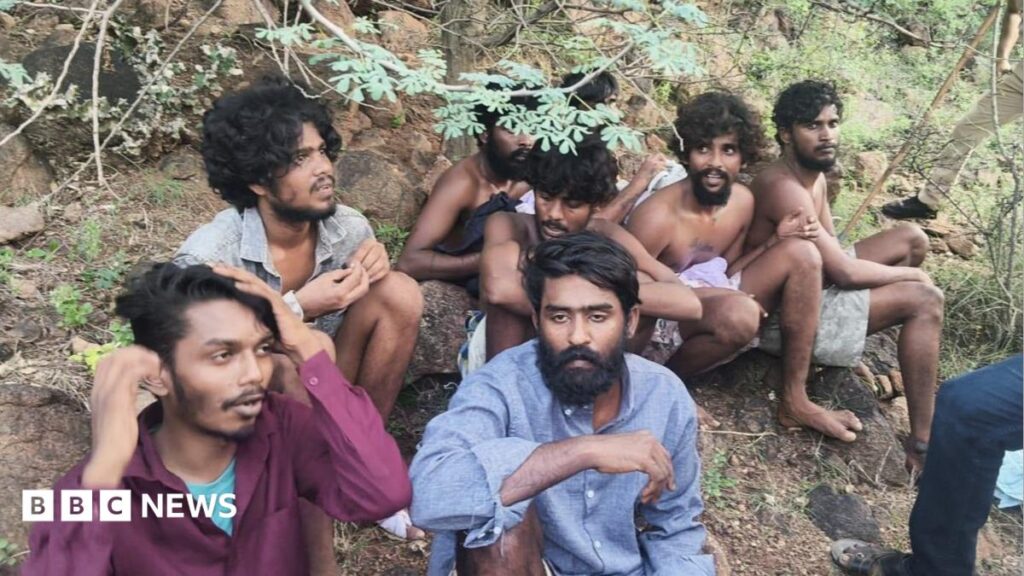
The break lasted just over 36 hours. By the evening of October 28, police had tracked the fugitives to a suburban neighbourhood, where a coordinated raid resulted in the recapture of all 17 escapees. Officials said no injuries were reported during the operation, and the prison’s director announced a full internal review of protocols.
Security lapses exposed
Investigators quickly identified three critical failures that enabled the escape. First, the prison’s medical protocol allowed a prisoner to be left unattended after a seizure, despite guidelines that require a second officer’s presence. Second, the key‑holding system relied on a single, unguarded lockbox that was easily accessed during the chaos. Third, the CCTV network lacked redundancy; once the main feed was cut, backup recordings were not automatically triggered, leaving a blind spot for exactly the time the inmates needed to move.
These shortcomings echo findings from earlier Indian prison audits, which have repeatedly warned that understaffing and outdated infrastructure make facilities vulnerable to coordinated attacks. A senior prison official, speaking on condition of anonymity, said the incident “highlights systemic gaps that have been ignored for years.”
Why the incident matters beyond India
While the jailbreak was a local law‑and‑order issue, its repercussions ripple through several sectors. The prison housed several high‑profile economic offenders, including a convicted fraudster linked to a multi‑billion‑rupee Ponzi scheme that affected overseas investors. Their brief freedom raised concerns among the Indian diaspora about the safety of their investments and the credibility of India’s judicial enforcement.
Moreover, the episode arrives at a time when India is courting foreign direct investment for its burgeoning tech and manufacturing hubs. Investors monitor governance indicators closely, and a high‑visibility security breach can dent confidence, prompting calls for stricter oversight of correctional institutions as part of broader business‑risk assessments.
Comparisons with African prison‑break trends
African nations have faced similar security challenges in recent years. In 2024, a coordinated jailbreak in Lagos, Nigeria, saw 12 inmates escape using forged documents, prompting a regional dialogue on prison reform. Analysts note that both the Indian and African incidents share common threads: reliance on manual key systems, limited surveillance redundancy, and insufficient staff training for emergency response.
These parallels suggest a global pattern where legacy prison designs struggle to meet modern security demands. Regional bodies such as the African Union’s Committee on Prison Management have cited the Indian case as a cautionary example, urging member states to adopt digital access controls and real‑time monitoring to prevent repeat scenarios.
What comes next for Indian law enforcement
The state government has pledged a swift overhaul of the prison’s operating procedures. A task force, headed by the senior police officer who led the recapture, will draft new guidelines that include mandatory dual‑officer presence during medical emergencies, biometric key storage, and AI‑driven video analytics that flag any sudden loss of feed.
Beyond the immediate reforms, the incident may catalyze a national conversation about criminal‑justice modernization. Lawmakers are expected to debate a bill that would allocate funds for upgrading prison infrastructure across the country, a move that could align India with international standards and, indirectly, benefit African partners seeking reliable legal cooperation frameworks.
Quick Answers
How many prisoners escaped in the 2026 Indian jailbreak?
Seventeen inmates managed to break out before being recaptured within 36 hours.
What security failures allowed the escape?
A falsified medical seizure, an unguarded key box, and a lack of CCTV backup created the opening for the jailbreak.
Will this incident affect foreign investors in India?
Yes, the breach raises concerns about governance and could prompt investors to demand stronger security and legal enforcement measures.
Source: www.bbc.co.uk




💬 Comments 0