Indonesia 2026 earthquake kills 53, aid shortages spark starvation fears in West Java
Background: Indonesia’s seismic vulnerability
Indonesia sits on the Pacific “Ring of Fire”, a tectonic belt that generates roughly three‑quarters of the world’s earthquakes each year. The country’s 17,000‑plus islands are criss‑crossed by fault lines, making large‑magnitude quakes a recurring threat. In the past decade, Jakarta, Sumatra and the eastern islands have all felt jolts that caused significant loss of life and infrastructure damage, prompting the government to invest heavily in early‑warning systems and resilient building codes.
Yet many rural districts, especially in West Java and Central Java, still rely on older, non‑reinforced structures. Poverty, rapid urbanisation and informal housing have limited the reach of safety upgrades. As a result, when a magnitude‑6.8 quake struck early Saturday, the shockwaves hit densely populated villages that were ill‑prepared for such a force, setting the stage for a humanitarian crisis that quickly spilled over into food security concerns.
The quake’s immediate toll and displacement
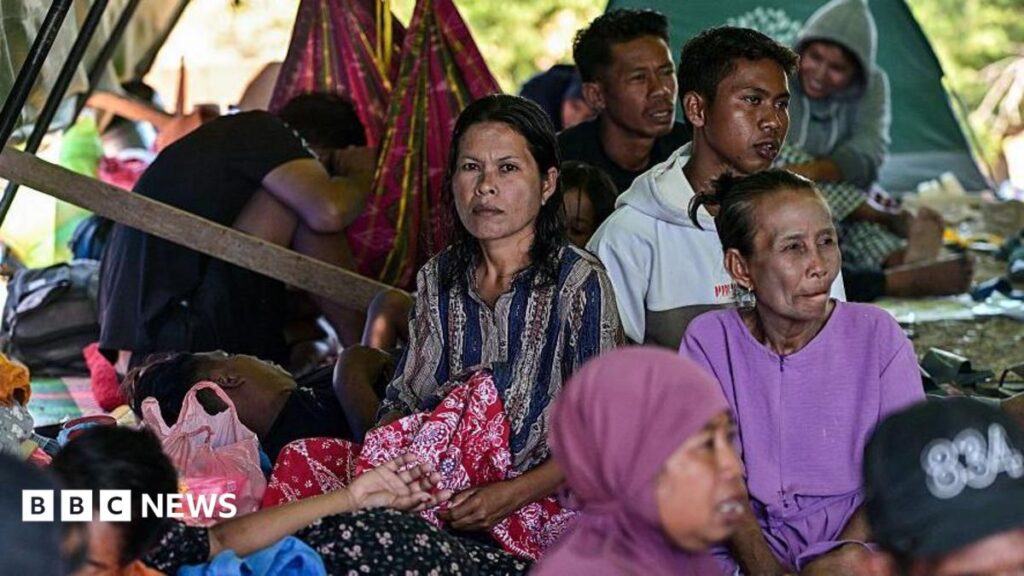
Official reports confirmed 53 fatalities and more than 3,000 injuries within the first 24 hours. Rescue teams recovered bodies from collapsed homes in the districts of Ciamis, Garut and Banyumas, while thousands of residents fled to temporary shelters set up in schools, community centres and open fields. Satellite imagery released by the United Nations Office for the Coordination of Humanitarian Affairs (OCHA) showed that over 12,000 structures were either partially or fully destroyed, leaving an estimated 45,000 people without safe housing.
The displacement has strained local resources. Health clinics, already operating at capacity, now face a surge in trauma cases and the risk of water‑borne diseases. Meanwhile, power outages and damaged road networks have hampered the delivery of relief supplies, forcing volunteers to rely on motorbikes and small boats to navigate the wrecked terrain.
Aid bottlenecks and looming food insecurity
Humanitarian agencies arrived within hours, but the scale of need quickly outstripped the initial stockpiles. According to a statement from the Indonesian National Board for Disaster Management (BNPB), food rations intended for 30,000 people are expected to run out within ten days because of delayed shipments from Jakarta. The bottleneck stems from a combination of damaged ports, limited trucking capacity and bureaucratic clearance delays for foreign aid.
Experts warn that without swift replenishment, the region could face acute malnutrition, especially among children and the elderly. Dr. Siti Rahma, a nutritionist with the World Food Programme, said that “the loss of livelihoods—particularly for rice farmers whose fields are now flooded with debris—means households are already scrambling for whatever grain they can find.” The fear of starvation is therefore not just a short‑term concern but a potential trigger for a secondary health crisis.
What the crisis means for African trade and diaspora
Indonesia is a major exporter of palm oil, rubber and coffee—commodities that feed into African supply chains. A disruption at the ports of Jakarta and Surabaya can ripple through to African manufacturers that rely on steady imports for food processing and tyre production. In Nigeria, for example, palm oil accounts for roughly 15% of the edible oil market; any price spike could raise household food costs across West Africa.
The Indonesian diaspora in Africa, though relatively small, includes entrepreneurs in the hospitality and logistics sectors. Many have expressed concern that the earthquake’s impact on shipping routes could delay shipments of Indonesian-made kitchen equipment and furniture, which are popular in South African and Kenyan middle‑class markets. Moreover, African NGOs such as the African Development Bank’s humanitarian arm have signalled willingness to co‑finance emergency reconstruction, positioning the continent as a potential partner in the recovery effort.
Looking ahead: reconstruction, funding and regional cooperation
The Indonesian government has pledged an initial $200 million for emergency relief, but long‑term reconstruction will require billions. International donors, including the European Union and Japan’s International Cooperation Agency (JICA), have indicated readiness to contribute, yet coordination remains a challenge. Analysts suggest that a multi‑year financing plan, anchored by a regional “earthquake resilience fund” under the Association of Southeast Asian Nations (ASEAN), could streamline aid and ensure that rebuilding meets modern seismic standards.
In the meantime, community‑based initiatives are emerging. Local NGOs are training volunteers in “quick‑build” techniques using prefabricated, earthquake‑resistant panels. If successful, these models could be exported to other seismic zones in Africa, such as the Rift Valley region of Ethiopia and Kenya, where similar vulnerabilities exist. The crisis therefore offers both a warning and an opportunity: the need for better preparedness is universal, and the solutions forged in Indonesia may shape disaster response across the Global South.
Quick Answers
How many people were killed in the Indonesia earthquake of August 2026?
Official counts confirm 53 deaths.
Which Indonesian provinces are most affected by aid shortages?
West Java and Central Java, especially the towns of Ciamis and Banyumas.
How might the disaster affect African consumers?
Disruptions to Indonesia’s export of palm oil and rubber could raise prices for African food manufacturers and tyre producers.
Source: www.bbc.co.uk




💬 Comments 0