Internet restricted after fighting breaks out in Ethiopia’s Tigray region, June 2026
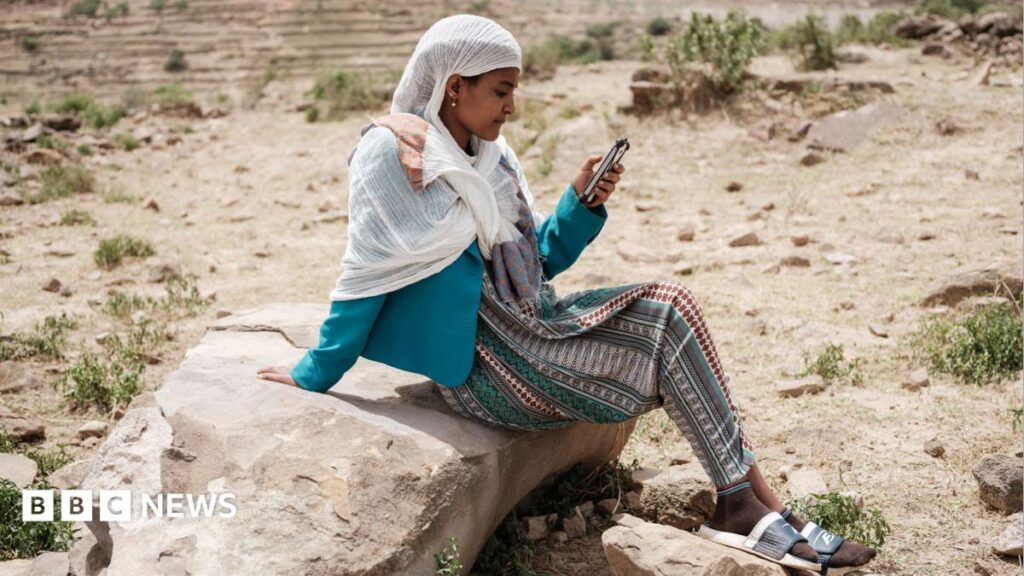
Background: The Tigray conflict’s digital blackout
The two‑year civil war that raged in Ethiopia’s northern Tigray region from late 2020 to 2022 was marked by a total communications blackout. The Ethiopian government, citing security concerns, ordered a complete shutdown of mobile networks, internet services and satellite links, effectively isolating the region from the rest of the world.
During that period, humanitarian agencies struggled to verify casualties, track displacement and coordinate aid deliveries without reliable data. The lack of real‑time information also meant that journalists and diaspora activists could not document alleged war crimes, fueling accusations of impunity.
When a fragile cease‑fire held in 2023, limited satellite internet was gradually re‑introduced, allowing NGOs and the Tigrayan diaspora to re‑establish contact. However, the infrastructure remained fragile, and any resurgence of hostilities has historically triggered a rapid re‑imposition of restrictions.
The new outbreak of fighting and the internet shutdown
In early June 2026, Ethiopian federal forces and the Tigray People’s Liberation Front (TPLF) exchanged artillery fire near the strategic town of Shire. Within hours, the Ethiopian Ministry of Communications announced an “emergency suspension of all telecommunications services” across the entire region, citing the need to protect national security and prevent the spread of misinformation.
According to local reports gathered by the Horn of Africa News Agency, the shutdown includes 4G and 3G mobile networks, broadband internet, and even basic SMS services. Satellite providers have reportedly been asked to cease uplink transmissions from Tigray, a move that mirrors the tactics used during the 2020‑2022 war.
Human rights observers, including Amnesty International, warned that the blanket restriction could violate international norms that consider internet access a component of the right to freedom of expression, especially when civilians depend on digital channels for emergency alerts and aid coordination.
Why the internet cut‑off matters beyond the battlefield
The immediate impact is felt by ordinary Tigrayans who lose the ability to call relatives, receive health advisories or request assistance from NGOs. In past crises, internet outages have delayed the reporting of disease outbreaks, such as cholera, by weeks, increasing mortality rates.
For Ethiopia’s broader economy, the shutdown threatens the Horn of Africa’s growing digital trade corridor. Ethiopia’s telecom sector, valued at over $6 billion, contributes roughly 2 % of GDP; any disruption reverberates through supply chains that rely on real‑time data, from coffee exporters in the south to textile manufacturers in Addis Ababa.
The diaspora community, especially the sizable Tigrayan population in the United States, Canada and the United Kingdom, loses a crucial feedback loop. Social media has become the primary platform for fundraising, advocacy and political lobbying; a blackout hampers coordinated campaigns that have previously raised millions for emergency relief.
Regional and diaspora reactions
Neighboring Sudan and Eritrea, already wary of spill‑over violence, have issued statements urging the Ethiopian government to restore communications so that humanitarian actors can verify the safety of cross‑border corridors. The African Union’s Peace and Security Council, meeting in Addis Ababa on June 7, called the internet suspension “counter‑productive to peace‑building efforts.”
In the diaspora, prominent Tigrayan NGOs such as the Tigray Relief Fund have launched a parallel crowdfunding drive on diaspora‑focused platforms that do not rely on Ethiopian internet infrastructure. Their spokesperson, Meron Alem, told the BBC that “we are shifting to encrypted messaging apps hosted abroad to keep the flow of aid alive, but the scale is limited without the local network.”
Meanwhile, Ethiopian civil society groups inside the country have used radio broadcasts to relay updates, a tactic reminiscent of the 1990s civil wars in Rwanda and Burundi. These groups argue that the shutdown deepens mistrust between the central government and the Tigrayan population, potentially prolonging the conflict.
What’s next: possible scenarios and the road to restoration
If the fighting subsides within weeks, experts from the International Crisis Group suggest the government could lift the suspension gradually, beginning with emergency SMS services for health alerts. A phased approach would allow authorities to monitor “misinformation” while still providing a lifeline to civilians.
Conversely, if hostilities intensify, the shutdown could become a longer‑term tool of control, reminiscent of the 2021 internet blackout in Myanmar. In that scenario, international pressure—particularly from the United Nations and the European Union—might increase, potentially linking aid disbursements to the restoration of digital services.
For the diaspora and regional investors, the key takeaway is to diversify communication channels. Satellite‑based internet providers such as Starlink are already negotiating temporary licenses with the Ethiopian telecom regulator, but bureaucratic delays could mean months before reliable service returns. Until then, humanitarian actors are likely to rely on radio, courier networks and diaspora‑driven digital platforms to keep aid flowing.
Quick Answers
Why did Ethiopia shut down the internet in Tigray in June 2026?
The government said the suspension was an emergency security measure to stop the spread of misinformation during renewed fighting between federal forces and the TPLF.
How will the internet blackout affect humanitarian aid in Tigray?
Aid groups will lose real‑time coordination tools, slowing the delivery of food, medicine and health alerts, which could increase civilian suffering.
When is internet service expected to be restored in Tigray?
If hostilities ease, a phased restoration could begin within weeks; a prolonged conflict could keep the shutdown in place for months.
Source: www.bbc.co.uk




💬 Comments 0