Iran threatens retaliation as US readies strikes, Trump weighs action, Qatar mediates – 2026 crisis
Background: a decade of brinkmanship
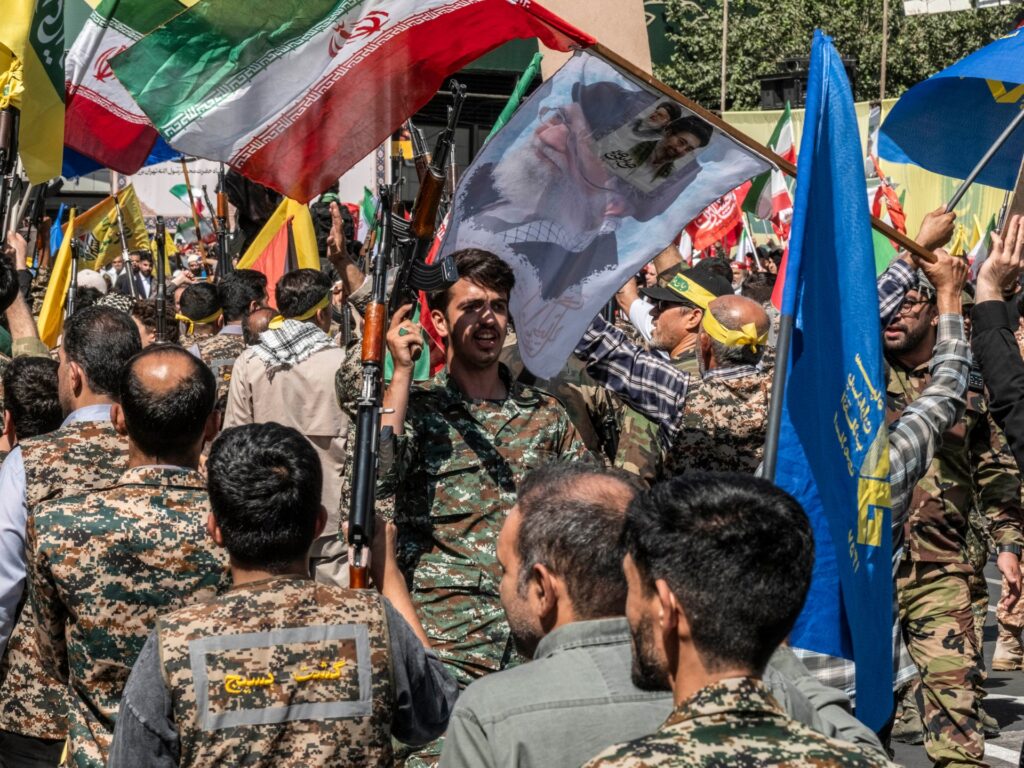
The United States and Iran have been locked in a cycle of threats and limited strikes since the 2020 killing of General Qasem Soleimani. The Trump administration, after withdrawing from the 2015 nuclear deal, pursued a "maximum pressure" campaign that included sanctions on Iran’s oil exports and occasional drone attacks on Iranian-backed militias in Iraq and Syria. In response, Tehran has repeatedly warned of "proportional" retaliation, a phrase that now resurfaces as Washington signals a possible resumption of direct strikes.
Qatar has long acted as an informal back‑channel between Washington and Tehran, hosting secret talks that kept the 2022 cease‑fire in the Persian Gulf from collapsing. The Gulf state's mediation gained renewed relevance after the 2024 Israeli‑Iranian naval clash, when Qatar helped broker a short‑lived de‑escalation. This time, Doha is pushing for a diplomatic reset before any new US military operation can be launched.
The latest flare‑up: claims, warnings and diplomatic overtures
On September 20, Iran’s Islamic Revolutionary Guard Corps (IRGC) released a statement saying the United States was "preparing to resume strikes" against Iranian facilities in the Persian Gulf. The claim was echoed in the state‑run newspaper Jomhuri‑e‑Eslami, which warned that any attack would be met with "swift and decisive" retaliation against US forces and interests in the region.
President Donald Trump, speaking at a rally in Florida, hinted that a new wave of strikes could be justified if Iran continued its “aggressive” behavior, though he stopped short of ordering an operation. Meanwhile, Qatari foreign minister Sheikh Mohammed bin Abdulrahman Al Thani told reporters that Doha was "working around the clock" to revive the stalled talks that had previously led to a limited cease‑fire.
Why it matters: oil, shipping and global markets
The Strait of Hormuz remains the world’s most vital chokepoint for oil, funneling roughly 20 percent of global petroleum supplies each day. Any escalation that threatens the waterway can trigger immediate spikes in Brent and WTI prices, as traders price in the risk of supply disruptions. Since the early 2020s, the market has already experienced three sharp price jumps linked to Iranian‑US tensions, each lasting weeks and eroding consumer confidence worldwide.
Beyond crude, the Gulf is a conduit for liquefied natural gas (LNG) shipments destined for Europe and Asia. A renewed conflict could force carriers to reroute around the Cape of Good Hope, adding weeks to delivery times and inflating freight costs. Such a shift would reverberate through global supply chains, raising the price of everything from fertilizers to plastics.
African stakes: oil exporters, investors and diaspora concerns
Nigeria, Angola and Ghana—together accounting for over 30 percent of Africa’s oil export earnings—track Gulf oil prices closely because they set the benchmark for their own crude. A sudden surge in Brent would boost revenue in the short term, but the accompanying volatility could scare foreign investors, jeopardising long‑term projects such as Nigeria’s deep‑water offshore developments and Angola’s new refinery upgrades.
The African diaspora in Europe and the United States also watches the crisis closely. Remittances from expatriates form a lifeline for many households in West Africa; a prolonged conflict could depress the value of the US dollar against local currencies, reducing the purchasing power of those funds. Moreover, several African‑based shipping firms operate container vessels that regularly transit the Hormuz corridor; heightened security risks could force them to delay shipments, affecting imports of essential goods like food and medical supplies.
Regional dynamics: Qatar’s mediation and the role of other powers
Doha’s push for dialogue reflects a broader Gulf strategy to avoid a full‑scale war that would destabilise the entire region. Qatar, backed by the United Arab Emirates and Saudi Arabia, hopes to extract a commitment from Washington to limit strikes to “counter‑terrorism” targets, while offering Tehran a face‑saving pathway to de‑escalate.
China and Russia, both major purchasers of Iranian oil, have quietly warned that any disruption to the Strait would hurt their energy security. According to a statement from China’s Ministry of Foreign Affairs, Beijing “urges all parties to uphold peace and protect the free flow of commerce.” Their diplomatic overtures add another layer of pressure on the United States to consider a negotiated settlement rather than a purely military solution.
What’s next: scenarios, timelines and possible outcomes
Analysts outline three likely trajectories. The first is a rapid diplomatic breakthrough, where Qatar convinces Tehran to accept a limited cease‑fire in exchange for a US pledge to halt new sanctions. The second sees a limited US strike on a specific Iranian Revolutionary Guard naval base, followed by Iranian missile launches targeting US‑aligned vessels—an exchange that could spiral if not contained. The third, and most concerning, involves a broader regional conflagration that draws in proxy forces from Yemen, Iraq and Syria, potentially spilling over into the Gulf’s commercial arteries.
For African markets, the key takeaway is preparedness. Oil ministries in Lagos, Luanda and Accra have already instructed traders to monitor price volatility and to diversify export routes where possible. Investors are being advised to hedge against sudden oil‑price spikes, while diaspora organisations are mobilising information campaigns to help expatriates understand how currency fluctuations might affect remittance values. The next few weeks will likely determine whether the crisis remains a diplomatic footnote or escalates into a market‑shaking event.
Quick Answers
What could a US strike on Iran mean for oil prices?
Even a limited strike can push Brent crude above $100 per barrel as traders price in the risk of Hormuz disruptions.
How might the tension affect African oil exporters?
Higher global oil prices boost short‑term revenue, but increased volatility can deter foreign investment in new African oil projects.
Is Qatar actively mediating the current crisis?
Yes, Qatar’s foreign minister said Doha is working to revive talks that could prevent further military escalation.
Source: www.aljazeera.com


💬 Comments 0