Iran war and US tariffs squeeze farmers – could cost Republicans the 2026 midterms
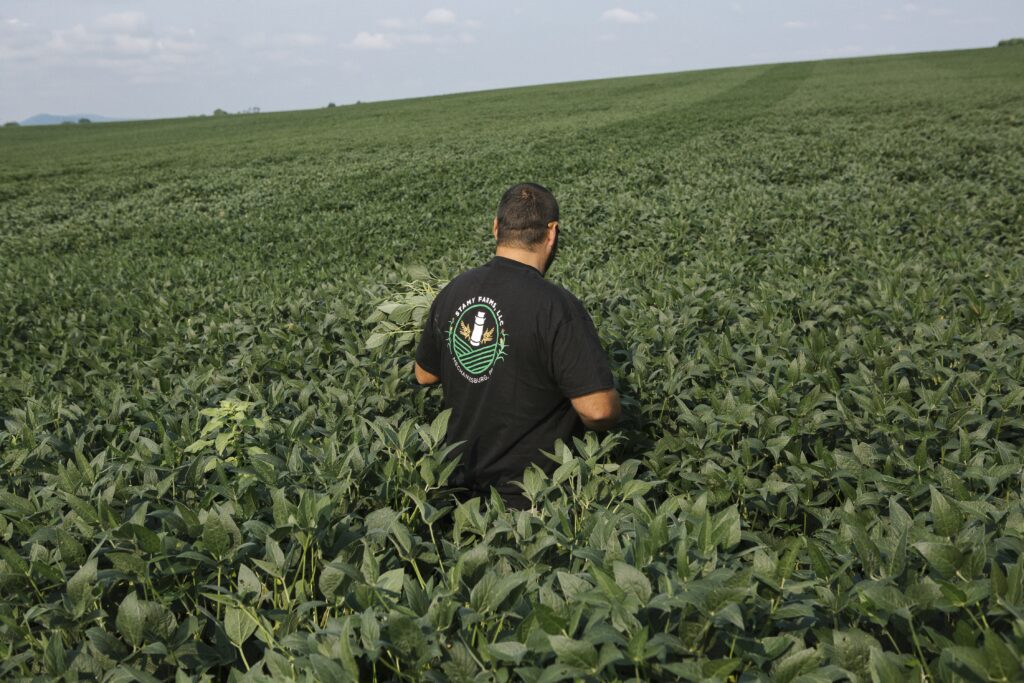
Background: War, tariffs and a farmer’s bottom line
Since the escalation of hostilities involving Iran earlier this year, the United States has responded with a series of economic sanctions that include heightened tariffs on a range of agricultural inputs. Fertiliser imports from the Middle East, once a cheap source for Midwestern growers, now carry a 25% surcharge, while export duties on key crops such as soybeans and corn have been nudged upward to fund defence‑related spending. The combined effect is a sharp rise in production costs that many family farms describe as “unsustainable”.
The cost pressure is not limited to inputs. Higher shipping rates caused by sanctions on maritime routes through the Persian Gulf have pushed the price of getting grain to overseas buyers up by roughly 12%, according to data from the USDA’s Economic Research Service. At the same time, the Federal Reserve’s fight against inflation has left interest rates elevated, making farm loans more expensive. For a sector already grappling with climate‑related yield volatility, the fiscal squeeze is adding a new layer of uncertainty.
Political stakes: Farmers as swing voters in tight midterm districts
Midterm elections in November 2026 are shaping up to be a referendum on the administration’s foreign‑policy choices, especially in states where agriculture accounts for a sizable share of the electorate. In Iowa’s 3rd congressional district, for example, the Republican incumbent won by just 1.8 points in 2022, and a recent poll by the Des Moines Register shows farmer support for the GOP slipping to 38% from 55% a year ago. Similar patterns are emerging in parts of the Ohio River Valley and the Great Plains, where farm owners and their families make up 20‑30% of registered voters.
Republican campaign strategists have traditionally counted on the agricultural vote as a reliable base, but the growing resentment over tariffs and the perception that the war in Iran is being funded by the American taxpayer is prompting a reevaluation. A senior adviser to the National Republican Congressional Committee told The Hill that the party is “re‑thinking how we talk about national security when it directly hurts the people who keep food on the table.” Democrats, meanwhile, are positioning themselves as defenders of farm profitability, promising to roll back punitive tariffs and negotiate a more nuanced approach to Iran that protects trade routes.
African market link: How US farm policy ripples to the continent
The United States is a major supplier of grain to several African nations, especially in the Sahel and East Africa, where wheat and maize imports fill seasonal gaps. When US exporters face higher shipping costs and reduced margins, they often shift cargo to higher‑paying markets in Asia, leaving African importers scrambling for alternatives. In 2024, Ethiopia’s wheat import bill rose by 15% after a surge in US freight rates, prompting the government to turn to Russia and Kazakhstan for cheaper supplies. That pivot has geopolitical implications, as it deepens African reliance on countries with less transparent trade practices.
For the African diaspora in the United States, the issue is personal as well as economic. Many immigrant families run small farms in the Midwest, cultivating crops that are later exported to their home countries. A Nigerian‑American farmer in Nebraska told the Chicago Tribune that “when the cost of fertilizer goes up, I have to raise prices for my buyers back home, and that hurts my relatives who are already struggling with inflation.” The ripple effect illustrates how a US domestic policy debate can reverberate across continents, influencing food security and trade balances in Africa.
Expert take: What the farmer backlash means for US policy and foreign affairs
Agricultural economists at the University of Illinois warn that continued tariff pressure could push a significant portion of US grain out of the global market, ceding market share to Brazil and Argentina. Their research suggests that a 10% increase in US export costs could reduce market share by up to 4% within two harvest cycles, a shift that would weaken the United States’ leverage in trade negotiations for years to come. “If we lose our foothold in African grain markets, we lose a diplomatic tool,” said Dr. Maya Patel, a senior fellow at the Brookings Institution.
Policy analysts also point out that the war in Iran is not an isolated security issue but part of a broader pattern of using economic levers to achieve geopolitical aims. The current approach, they argue, is short‑sighted because it penalises domestic producers while achieving limited strategic gains. A recent report from the Congressional Research Service recommends a calibrated sanction regime that spares essential agricultural inputs, thereby preserving both farmer livelihoods and the United States’ soft‑power influence abroad.
What’s next: Scenarios for November and beyond
If the Republican leadership chooses to double down on the tariff regime, they risk alienating a critical voting bloc in key swing districts, potentially handing several seats to Democrats. In that scenario, the party may be forced to negotiate a rollback or a targeted exemption for farm inputs, a move that could ease farmer discontent but also raise questions about the administration’s resolve on Iran. Conversely, a pre‑election concession that eases tariffs could restore some farmer confidence, but it might be portrayed by opponents as a sign of weakness in the face of Iranian aggression.
For African stakeholders, the outcome matters because it will shape the availability and price of US grain on the continent. A Democratic win that reduces tariffs could stabilize export flows to Africa, supporting food‑security programmes in nations like Sudan and Kenya. A continued Republican stance, however, might accelerate Africa’s shift toward alternative suppliers, reshaping the continent’s agricultural trade architecture for the next decade. In either case, the farmer vote is set to be a bellwether for how domestic economic policy intertwines with global security and trade.
Quick Answers
How are US tariffs on agricultural inputs affecting farmers?
Higher tariffs raise the cost of fertilizer, equipment and shipping, squeezing farm profit margins and prompting many growers to consider switching crops or scaling back production.
Why could the farmer vote impact the 2026 midterms?
Farmers comprise a sizable share of voters in several swing districts; declining support for Republicans over tariff policies could flip those seats to Democrats.
What does the US‑Iran conflict mean for African grain imports?
When US export costs rise, African countries often turn to other suppliers, which can increase their import bills and shift the continent’s trade dependence away from the United States.
Source: www.npr.org




💬 Comments 0