Iranian women run Tehran 10K without hijab, sparking regional women’s rights wave in 2026
The legal backdrop: Iran's compulsory hijab and public sport
Since the 1979 revolution, Iran has enforced a dress code that requires women to cover their hair and body in public spaces, a rule that extends to sports venues and street events. The morality police have long monitored compliance, and violations can result in fines, arrests, or even imprisonment, according to human‑rights groups.
In recent years, the government has tried to soften enforcement during international sporting events, hoping to avoid negative headlines. However, the core legislation remains unchanged, and many Iranian women continue to face daily harassment for even minor infractions, a reality documented by local activists and foreign correspondents.
The Tehran 10K race: a flashpoint of defiance
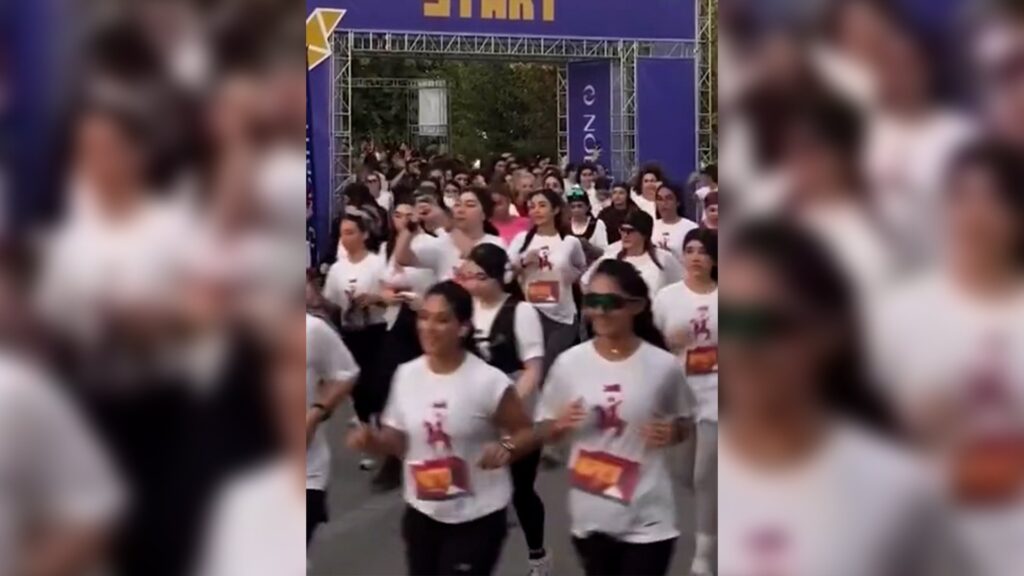
On September 19, 2026, hundreds of women gathered at the start line of Tehran’s annual 10‑kilometre road race. While many participants wore the mandated hijab, a visible minority chose to run without it, raising their heads high as a collective statement against compulsory dress codes.
Organisers initially warned that the race would be halted if the dress code was breached, but the women’s determination forced authorities into a reluctant compromise. Security forces kept a distance, and the event proceeded without a single official interruption, according to eyewitnesses at the scene.
The protest was not spontaneous. Social‑media posts in the weeks leading up to the race had called for a “free‑run” to coincide with International Women’s Day, and several Iranian athletes had already faced bans for refusing the hijab in other competitions. The race therefore became a symbolic culmination of a growing, organized resistance.
Why the race matters beyond Tehran’s streets
The visual impact of women running without a hijab on a public, state‑sponsored event challenges the narrative that Iran’s gender policies are uniformly accepted. It signals a shift from isolated acts of civil disobedience to coordinated, high‑visibility actions that can attract global media attention.
Internationally, the protest adds pressure on Tehran ahead of upcoming United Nations reviews of Iran’s human‑rights record. Diplomats from the European Union and the United Nations have already hinted that persistent violations could affect Iran’s ability to negotiate trade deals, especially in sectors like oil and technology where sanctions already bite.
For Iranian athletes, the race opens a new avenue for advocacy. Sports federations worldwide are now more likely to grant asylum or training visas to Iranian women who fear persecution for their attire, a trend observed after the 2022 World Cup protests.
African resonance: shared struggles and diaspora solidarity
The Tehran protest echoes similar battles on the African continent, where governments in countries such as Sudan, Kenya, and Nigeria have faced pressure to relax dress‑code restrictions on female athletes. In Kenya, for example, the national athletics federation recently amended its uniform policy after female runners complained that the previous standards were “culturally invasive.”
Diaspora communities are translating the Iranian women’s defiance into local action. Iranian expatriates in South Africa’s Cape Town organized a solidarity 5K run the week after the Tehran race, encouraging participants to wear whatever they felt comfortable. The event drew over 300 runners, many of whom were members of the broader African diaspora, illustrating a cross‑continental empathy for gender‑based dress codes.
Social‑media hashtags such as #WomenRunFree and #IranianWomen2026 have trended simultaneously in Tehran, Lagos, and Nairobi, linking the Iranian protest to African movements against gender‑based violence and restrictive clothing laws. Scholars note that these digital bridges help amplify local struggles into a global narrative of women’s bodily autonomy.
What’s next: policy, protest, and possible regional alliances
In the short term, Iranian authorities are expected to tighten security around future public events, but the backlash from the Tehran race may deter a full crackdown. Legal experts suggest that any heavy‑handed response could trigger a wave of lawsuits in Iran’s own courts, where activists have begun to cite constitutional guarantees of personal liberty.
Long‑term change will likely depend on sustained pressure from both inside and outside Iran. Regional NGOs, such as the African Women’s Development Fund, have already pledged to fund joint campaigns that connect Iranian activists with African women’s groups. This could result in coordinated petitions at the United Nations Human Rights Council later this year.
For the diaspora, the race offers a template for leveraging sport as a platform for protest. Community centres across Europe and North America are planning “run‑for‑rights” marathons that will donate proceeds to legal defence funds for Iranian women facing prosecution. The ripple effect underscores how a single event in Tehran can catalyze a broader, trans‑national movement.
Quick Answers
Why did Iranian women run the Tehran 10K race without hijabs?
They used the high‑visibility race to publicly challenge Iran’s compulsory‑hijab law and demand greater personal freedom.
How does the Tehran protest relate to African women's rights movements?
Both share battles against state‑imposed dress codes; the Iranian protest has inspired solidarity runs and joint advocacy campaigns across African cities.
What could happen next for Iran’s hijab policy after the race?
The government may increase event security, but international pressure and domestic legal challenges could force a gradual relaxation of enforcement.
Source: www.aljazeera.com


💬 Comments 0