Iraqi women face death threats for exposing sexual violence – what it means for activists and donors in 2026
Background: a culture of silence around sexual abuse in Iraq
Since the 2003 invasion, Iraq has struggled to rebuild its legal and social institutions, and sexual violence has remained a hidden epidemic. Official statistics are scarce because victims are often discouraged from reporting crimes by family, community leaders, and sometimes even police officers.
Human Rights Watch estimates that up to 30 percent of Iraqi women have experienced some form of gender‑based violence, yet only a fraction of cases reach the courts. The Penal Code was amended in 2015 to criminalise rape, but enforcement is uneven, especially in conservative provinces where tribal customs dominate.
The stigma attached to survivors is reinforced by media narratives that blame victims for “bringing shame” on their families. This cultural pressure creates an environment where speaking out can lead to social ostracism, loss of livelihood, or even physical retaliation.
The brave testimonies: women stepping forward despite threats
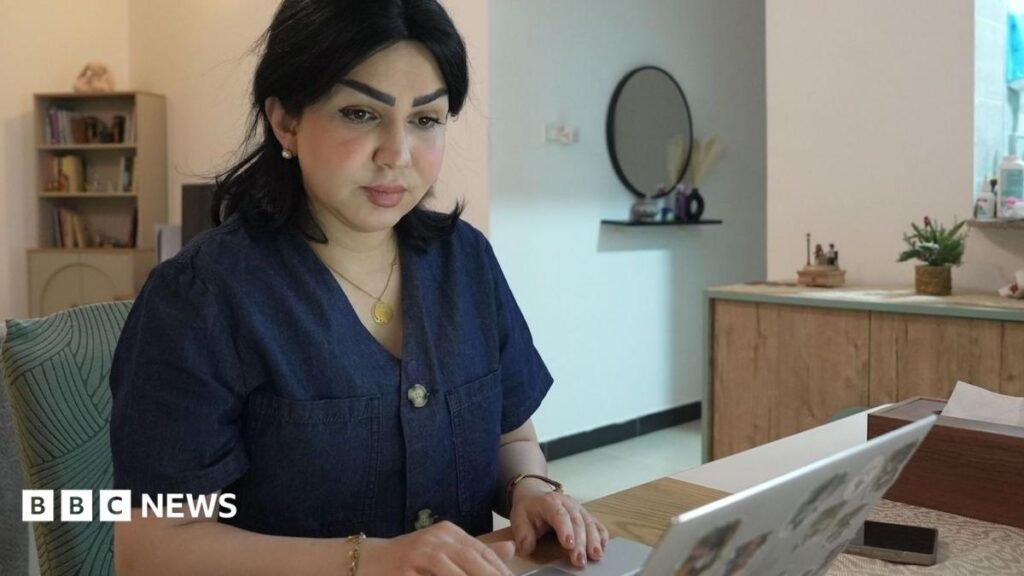
In the past year, a growing number of Iraqi women have begun sharing their personal stories on social media, community radio, and in secret support groups. Their aim is to break the taboo and force the state to act, even though many have received anonymous death threats and have been cut off from their extended families.
One 28‑year‑old activist from Basra told Al‑Jazeera that after posting her account of a workplace assault, she was expelled from her rented flat and received a menacing text warning her to “stop talking or you will die.” Similar intimidation tactics have been reported in Baghdad, Mosul, and the Kurdish north.
These women are not professional journalists; they are teachers, nurses, and market vendors who risk their safety because they believe that silence protects perpetrators. Their courage is reflected in the emergence of informal networks that provide legal advice, medical care, and safe houses, often funded by diaspora donors.
Why the backlash matters: implications for human rights and justice
The wave of threats signals a broader attempt to re‑assert patriarchal control over public discourse. When activists are silenced, accountability mechanisms—such as police investigations and court proceedings—lose legitimacy, allowing impunity to thrive.
International bodies, including the United Nations Assistance Mission for Iraq (UNAMI), have warned that unchecked gender‑based violence fuels cycles of instability. According to a 2025 UN report, regions with higher rates of sexual violence also see increased recruitment by extremist groups that exploit community grievances.
For Iraqi women, the personal cost is immediate: loss of income, mental‑health trauma, and the constant fear of retribution. For the state, the cost is long‑term erosion of trust in public institutions, which hampers reconstruction efforts and foreign investment.
Regional ripple: parallels with African movements against gender‑based violence
The intimidation faced by Iraqi activists mirrors tactics used against gender‑rights defenders in several African countries. In Kenya, for example, women campaigning against female genital mutilation have been threatened with “honour killings,” while in Nigeria, anti‑rape activists report police harassment and social media smear campaigns.
These patterns reveal a trans‑regional playbook: criminalising speech, leveraging family honor, and exploiting weak legal safeguards. African NGOs that operate in conflict‑affected zones, such as the Sahel, are watching Iraq’s situation closely because they often share funding streams and advocacy platforms with Middle‑Eastern partners.
The shared experience also creates an opportunity for cross‑continental solidarity. African diaspora groups in Europe and North America have begun to amplify Iraqi survivors’ stories, linking them to campaigns like #EndViolenceAgainstWomen in Ghana and South Africa. This transnational pressure can push multilateral donors to adopt stricter conditionalities on aid.
International response and funding: what donors and NGOs can do
In response to the surge of threats, the European Union announced a €45 million grant in July 2026 to strengthen protection services for survivors in Iraq’s most vulnerable provinces. The funding earmarks money for secure shelters, hotlines, and rapid‑response legal teams.
Donor agencies are also being urged to attach gender‑safety clauses to any infrastructure or health‑sector contracts. According to a statement from the United States Agency for International Development (USAID), future projects will require partner NGOs to conduct “threat‑assessment audits” for staff working on gender‑based violence programs.
Civil‑society organisations argue that financial aid alone is insufficient. They call for capacity‑building of Iraqi prosecutors, gender‑sensitive police training, and the creation of an independent oversight body that can investigate intimidation of activists. Such systemic reforms, they say, are essential for sustainable change.
What lies ahead: possible paths for protection and systemic change
Experts suggest three intersecting pathways to safeguard Iraqi women activists. First, expanding digital security training so that survivors can share their stories without exposing personal identifiers. Second, leveraging the Iraqi diaspora, especially in the United Kingdom and United States, to fund safe houses and legal clinics inside the country.
Third, integrating gender‑based violence metrics into Iraq’s national development plans. If the Ministry of Planning adopts a “gender impact assessment” for every major public‑works project, it would institutionalise the monitoring of abuse and create data that can be used in courtrooms and policy debates.
While the threats are real, the growing visibility of survivors indicates a shift in public consciousness. If international donors, regional NGOs, and Iraqi civil society can coordinate a protective framework, the cost of speaking out may gradually become a catalyst for justice rather than a death sentence.
Quick Answers
Why are Iraqi women who speak about sexual violence receiving death threats?
They are targeted because their testimonies challenge entrenched patriarchal norms and expose perpetrators who often have local influence, prompting intimidation to silence them.
How does the situation in Iraq relate to gender‑based violence activism in Africa?
Both regions see similar tactics—threats, social ostracism, and legal hurdles—used against activists, highlighting a shared need for cross‑continental solidarity and donor safeguards.
What steps are international donors taking to protect Iraqi survivors?
The EU pledged €45 million for shelters and legal aid, and USAID is requiring gender‑safety clauses and threat‑assessment audits in future contracts.
Source: www.bbc.co.uk




💬 Comments 0