Israel blocks PA funding to West Bank hospitals in 2026, sparking a health crisis that threatens Palestinian patients and African aid partners
Background: how Palestinian health financing has depended on Israeli transfers
Since the Oslo Accords, the Palestinian Authority (PA) has relied on a complex web of cash flows that include taxes collected by Israel on behalf of the territories, direct budget allocations from donor nations, and contributions from international NGOs. The Israeli‑Palestinian tax clearance mechanism, which funnels about $300 million a year to the PA, also funds a large share of public hospitals in the West Bank, especially those that serve low‑income communities.
Over the past decade, the health sector in the West Bank has been bolstered by multilateral donors such as the European Union, the United Nations Relief and Works Agency (UNRWA), and a handful of African charities that run mobile clinics for refugees in Jordan. These partners have helped offset the chronic under‑investment that stems from the fragmented political economy of the occupied territories.
In early 2026, Israel announced that it would withhold tax transfers to the PA pending a new security agreement, a move that effectively cut off the primary source of operating cash for dozens of hospitals. The decision came amid heightened tensions over settlement expansion and was framed by Israeli officials as a punitive measure for alleged PA incitement.
The funding freeze hits the West Bank’s health system hard
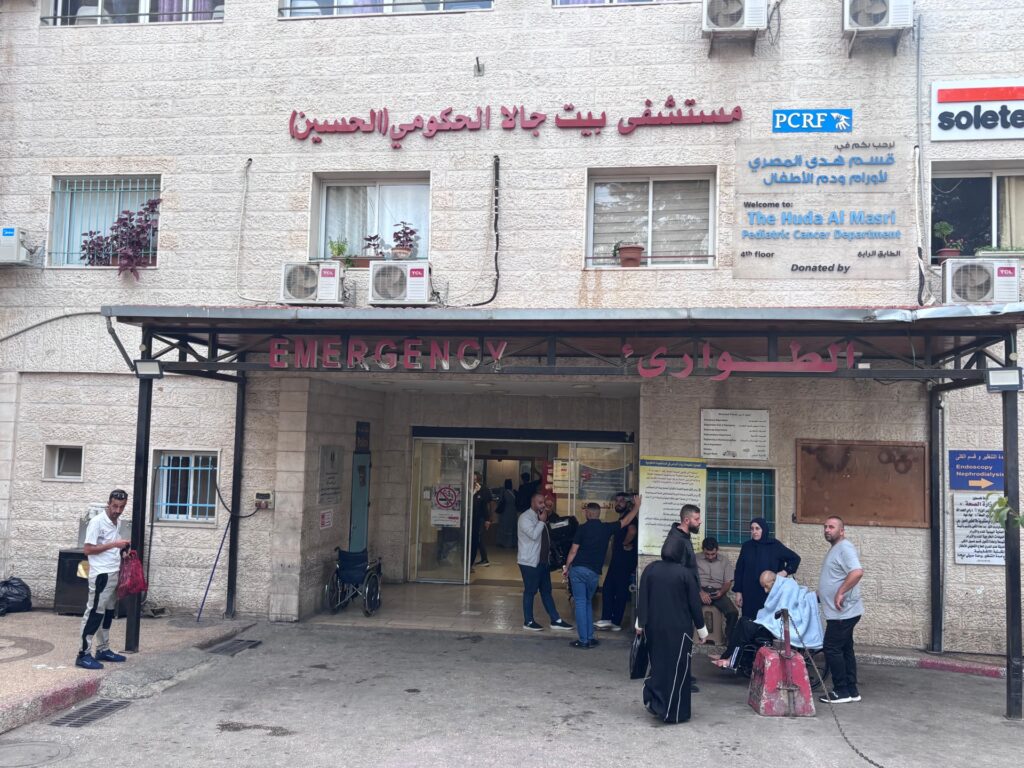
Within weeks of the freeze, major hospitals in Ramallah, Nablus and Hebron reported shortages of essential medicines, oxygen cylinders, and even basic consumables such as gloves and syringes. Staff salaries fell behind, prompting a wave of strikes that left emergency rooms understaffed during a period when COVID‑19 variants and seasonal flu were still straining the system.
Patients with chronic conditions—diabetes, hypertension, and kidney disease—found their treatment plans disrupted. According to a report by the Palestinian Ministry of Health, outpatient visits dropped by 27 % in July 2026, while the number of emergency admissions rose by 15 % as people delayed care until conditions became life‑threatening.
The shortage also forced several private clinics to close their doors temporarily, pushing poorer families to travel to Israeli hospitals where access is limited by permit restrictions. The World Health Organization warned that the funding gap could lead to a 20 % increase in preventable maternal deaths by the end of the year if no emergency assistance is secured.
Why the crisis matters beyond the immediate medical fallout
The health collapse in the West Bank underscores a broader pattern of using economic levers to exert political pressure in the Israeli‑Palestinian conflict. By targeting the PA’s fiscal lifeline, Israel can influence internal Palestinian politics without resorting to direct military action, a strategy that has grown more common since the 2020 Abraham Accords.
Internationally, the funding cut threatens to erode the credibility of multilateral aid mechanisms that have long tried to depoliticize humanitarian assistance. Donor agencies may reconsider future allocations if they perceive that their contributions can be neutralized by unilateral actions, potentially reshaping the aid architecture across the Middle East.
For the diaspora, especially Palestinians living in Europe and North America, the crisis fuels renewed calls for boycott campaigns and for lobbying host governments to condition any Israeli‑related trade agreements on the restoration of health funding. These advocacy efforts could reverberate in electoral politics in countries with sizable Palestinian communities, such as the United Kingdom and Canada.
African connections: NGOs, diaspora remittances and regional health security
African NGOs have been quietly active in the West Bank for years, delivering medical supplies through the African Union’s humanitarian desk and running training programmes for Palestinian nurses in partnership with Kenyan and Ethiopian health institutions. The sudden funding gap has forced these groups to divert scarce resources from other projects, including malaria control in Sudan, to keep basic services running in Ramallah.
Remittances from the Palestinian diaspora in West Africa—particularly in Nigeria, Ghana and South Africa—have traditionally supplemented household incomes, enabling families to afford private care when public hospitals falter. According to a 2025 survey by the African Development Bank, diaspora transfers to the occupied territories account for roughly $45 million annually; a contraction in health services could increase reliance on these funds, straining already vulnerable households.
Moreover, the health crisis poses a regional security concern. The West Bank shares borders with Jordan, where a large population of Palestinian refugees lives in camps that depend on cross‑border health referrals. If West Bank hospitals cannot stabilize patients, Jordan’s health system could see a surge in referrals, stretching its own resources at a time when the country is coping with a refugee influx from Syria and Iraq.
What comes next: diplomatic pushes, emergency aid and long‑term reforms
In response to the mounting pressure, the United Nations Office for the Coordination of Humanitarian Affairs (OCHA) has appealed for an emergency cash injection of $120 million to keep critical services afloat until the tax transfers are reinstated. The appeal has attracted pledges from the United Arab Emirates, Qatar and the European Commission, but disbursement is expected to take weeks, a delay that could be fatal for patients awaiting urgent care.
Parallel to the humanitarian plea, diplomatic channels are active. The United States, which has historically mediated fiscal disputes between Israel and the PA, is reportedly convening a senior‑level meeting in Washington next month to discuss a “temporary fiscal bridge” that would bypass Israeli control. Sources close to the talks say the proposal includes a joint oversight committee with representatives from the EU, the World Bank and the African Union.
Long‑term, analysts argue that the crisis highlights the need for a more resilient health financing model for the Palestinian territories—one that reduces dependence on a single external revenue stream. Proposals include establishing a sovereign health fund financed by diaspora bonds, expanding tele‑medicine links with African medical schools, and integrating Palestinian health data into regional disease‑surveillance networks.
Quick Answers
Why did Israel stop the tax transfers to the Palestinian Authority in 2026?
Israel halted the transfers as a political response to what it described as PA incitement and a failure to meet security commitments, using the tax clearance mechanism as leverage.
How are African NGOs affected by the West Bank health funding crisis?
African NGOs have had to redirect limited funds from other projects, such as malaria control in Sudan, to sustain basic medical supplies in West Bank hospitals.
What emergency assistance is being sought to keep West Bank hospitals open?
The UN OCHA has appealed for $120 million in emergency cash to cover medicines, staff salaries and essential equipment until normal tax flows resume.
Source: www.aljazeera.com




💬 Comments 0