Israel Election 2026: Herzog Sets Nov 11 Deadline for Coalition, Who Could Lead?
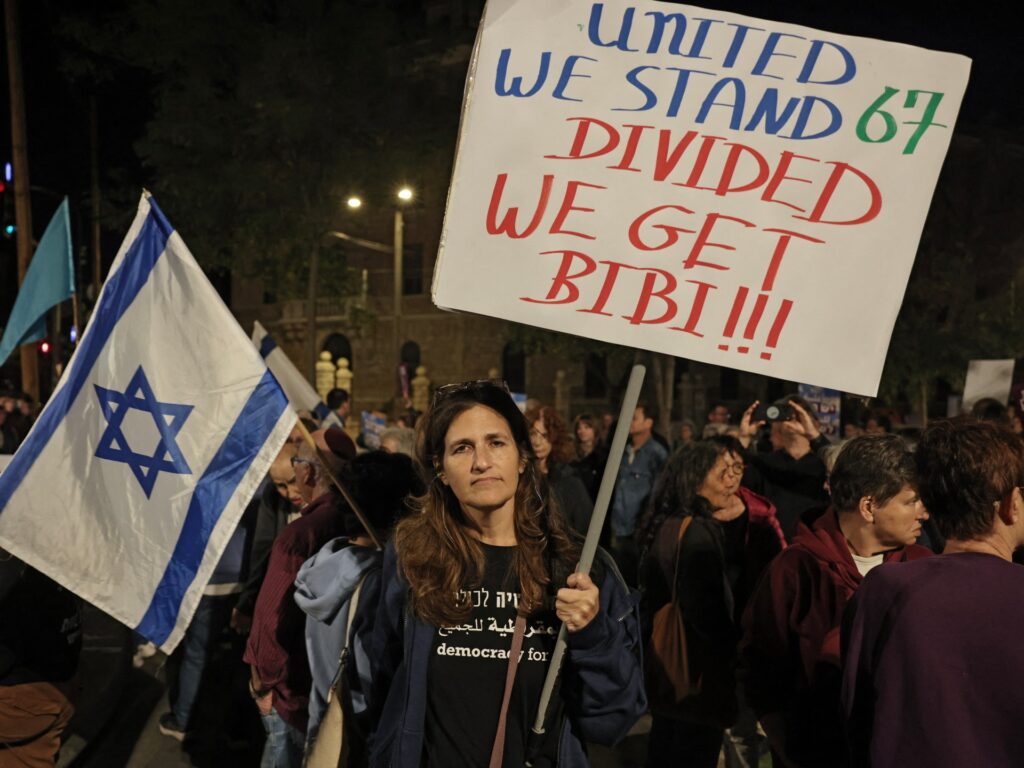
Background: A fractured Knesset and a looming deadline
Israel’s 25th Knesset emerged from the March 2026 vote with no party close to an outright majority. The centrist Yesh Atid bloc won 24 seats, the right‑wing Likud secured 23, while the religious‑nationalist Religious Zionist Party captured 14. Smaller parties, including the Arab‑Israeli Joint List and the new Green Future movement, together hold the balance of power. This fragmentation forces any prospective prime minister to cobble together a coalition that can survive a confidence vote, a process that has stretched beyond the usual few weeks in past elections.
President Isaac Herzog, acting as the constitutional arbiter, must now assign a mandate to a candidate who can assemble a governing coalition by November 11, 2026. The deadline is not merely procedural; it is a legal ceiling that, if missed, compels Herzog to either re‑assign the task or call a fresh election. The tight timeline intensifies pressure on party leaders to negotiate policy concessions, ministerial portfolios, and, crucially, the allocation of Israel’s foreign‑policy agenda.
The deadline and the main contenders
Herzog’s first likely choice is Yair Lapid, the head of Yesh Atid, who previously served as interim prime minister and enjoys a reputation for coalition‑building. Lapid’s platform emphasizes social reforms, technology investment, and a diplomatic pivot toward the Gulf, which could appeal to centrist and moderate right‑wing factions. However, his overtures to the Religious Zionist Party have been met with skepticism over the latter’s hard‑line stance on settlements and the judiciary.
A second strong candidate is Benjamin Netanyahu, the veteran Likud leader who returned to power in 2022 after a brief interlude. Netanyahu’s leverage lies in his control of a sizable right‑wing bloc and his longstanding relationships with security‑focused parties. Yet his past corruption trials and the growing fatigue among younger voters make his path to a stable coalition fraught. Both candidates must also consider the Arab‑Israeli parties, which, despite being excluded from most right‑leaning coalitions, could become kingmakers if the numbers are tight.
Why the timing matters for Africa and the diaspora
Israel’s foreign‑policy direction directly impacts several African states that have deepened ties with Tel Aviv over the past decade. Countries such as Kenya, Ethiopia, and Ghana rely on Israeli agricultural technology and security cooperation, while South Africa’s tech startups increasingly source venture capital from Israeli investors. A coalition that prioritises the “Abraham Accords”‑style outreach could accelerate joint projects in water‑management and renewable energy, benefitting African economies that face chronic droughts.
For the African diaspora in Israel—estimated at over 150,000 Ethiopian Jews and a growing community of African professionals—the composition of the government will shape everyday life. Issues like citizenship recognition for Ethiopian Jews, anti‑racism legislation, and police reform have been flashpoints in recent years. A coalition that includes parties sympathetic to minority rights could address lingering grievances, whereas a hard‑line government may exacerbate tensions and trigger protests that reverberate back to African diaspora organisations worldwide.
Broader trend: Coalition politics in volatile democracies
Israel’s current stalemate mirrors a wider pattern in fragmented parliamentary systems, where proportional representation yields multiparty legislatures that struggle to form stable governments. Similar deadlocks have appeared in Italy, Spain, and more recently in Kenya’s 2022 election, where coalition talks extended for months. Political scientists argue that such environments can either foster compromise‑driven policymaking or lead to chronic instability, depending on the willingness of parties to cede ideological purity for pragmatic governance.
The November 11 deadline adds a layer of urgency that could push Israeli politicians toward a ‘grand coalition’ model, akin to the 2020‑21 Israeli government that united right‑wing and centrist blocs to navigate the pandemic. If successful, this could set a precedent for future Israeli elections and encourage African nations observing Israel’s experience to consider similar coalition‑building strategies in their own multiparty contexts.
What comes next: scenarios and stakes
If Lapid secures a coalition by the deadline, analysts expect a moderate agenda that leans on technology exports and seeks to normalise relations with Morocco and Sudan—countries with significant African linkages. This could translate into new bilateral agreements on agritech, opening markets for African farmers and Israeli firms alike. Conversely, a Netanyahu‑led government would likely double down on security spending, potentially diverting resources away from overseas development projects and raising concerns among African partners about reduced cooperation.
Should both leading candidates fail to meet the November 11 threshold, Herzog would be forced to either appoint a third‑party negotiator—perhaps an emerging centrist figure like Moshe Ya'alon—or dissolve the Knesset and call a new election. Either outcome would extend political uncertainty, affect Israel’s credit rating, and delay any pending trade accords with African nations. For the diaspora, prolonged deadlock could mean a continuation of the status‑quo on social integration policies, keeping many community concerns in limbo.
Quick Answers
What is the deadline for Israel’s new government formation in 2026?
President Isaac Herzog set November 11, 2026, as the final date for a coalition to be formed.
Who are the main candidates to become Israel’s prime minister after the 2026 election?
Yair Lapid of Yesh Atid and Benjamin Netanyahu of Likud are the two leading contenders.
How could Israel’s coalition outcome affect African countries?
A coalition that favours diplomatic outreach could boost Israeli‑African tech and agricultural partnerships, while a security‑focused government might limit such cooperation.
Source: www.aljazeera.com



💬 Comments 0