Israel Knesset Pushes Oct. 7 Probe Despite Netanyahu – Implications for War and Democracy
Background
The October 7, 2023 attacks by Hamas militants marked one of the deadliest days in Israel’s recent history, with over 1,400 Israelis killed and thousands more injured. The assault also triggered a swift military response, leading to a full‑scale war in Gaza that has since escalated into a humanitarian crisis. In the political arena, Prime Minister Benjamin Netanyahu has led the country through a series of coalition governments, often facing criticism for his handling of security and diplomatic issues.
What Happened
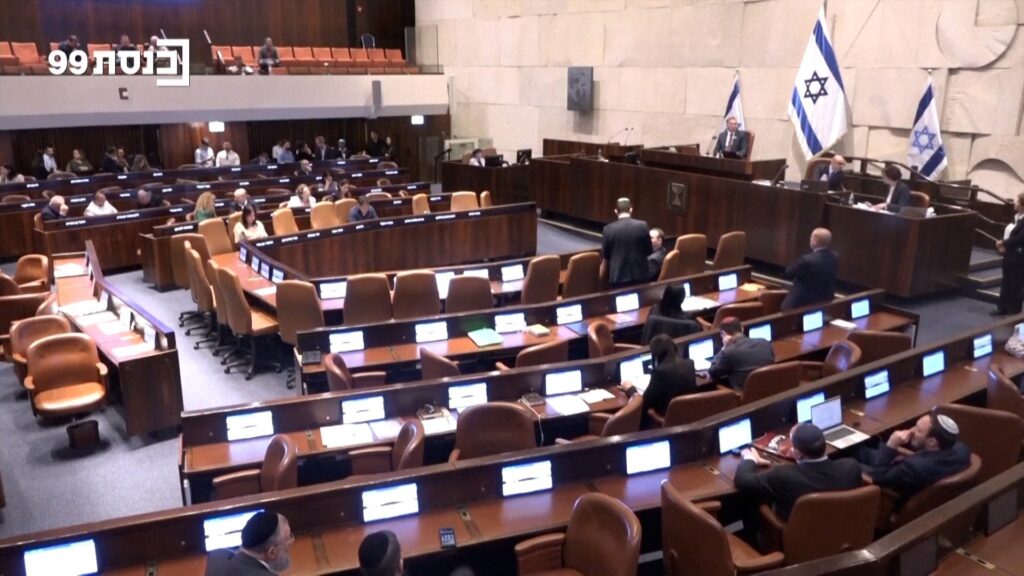
On Tuesday, the Knesset voted to advance a state inquiry into the events of October 7, a move that has been described as a rare instance of bipartisan cooperation amid a deeply divided parliament. The vote passed with a narrow margin of 64 to 60, reflecting the fragile balance of power among the governing parties. Netanyahu publicly opposed the probe, arguing that the nation’s priority should remain on the battlefield and that the inquiry could divert resources from the war effort.
Why It Matters
The decision to pursue an inquiry signals a potential shift in how Israel confronts accountability during wartime. By formally examining the chain of command and decision‑making processes that led to the attack, the Knesset seeks to address concerns about possible lapses in intelligence and preparedness. Such scrutiny could influence public trust in the government, as citizens demand transparency in the wake of the tragedy. On the international stage, the probe may affect Israel’s relationships with allies, particularly if findings suggest violations of international law, thereby shaping diplomatic support for the war.
Reactions
Opposition parties welcomed the vote, viewing it as a necessary step toward restoring democratic norms. Critics of Netanyahu’s administration, including the Labor Party and the Joint List, highlighted the need for an impartial investigation to prevent future mass casualties. Public opinion polls indicate a growing appetite for accountability, with many Israelis expressing frustration over perceived government complacency. International observers, such as the United Nations and European Union officials, have called for independent investigations into all sides of the conflict, underscoring the broader demand for rule of law in war zones.
What’s Next
The inquiry will be chaired by a panel of senior judges and former military officials, tasked with reviewing intelligence reports, troop movements, and communication logs from the days preceding the attack. The Knesset has allocated a budget of 30 million shekels for the probe, covering expert testimony, forensic analysis, and public hearings. Depending on its findings, the investigation could lead to policy reforms, changes in military oversight, or even legal action against officials deemed responsible for negligence. For the war, the inquiry’s outcome may influence cease‑fire negotiations by providing a clearer assessment of accountability on both sides.
Broader Context
State inquiries into security failures are not uncommon in democracies facing large-scale crises. For instance, the United Kingdom’s 2019 inquiry into the 2017 Grenfell Tower fire led to significant changes in building regulations and emergency response protocols. In Israel’s case, the probe may follow a historical pattern where post‑conflict investigations aim to prevent recurrence and restore public confidence. The Knesset’s move could also set a precedent for how democratic institutions balance military necessity with civilian oversight during periods of heightened conflict. As global scrutiny on war crimes intensifies, such inquiries are increasingly seen as essential to maintaining legitimacy and preventing abuses.
Quick Answers
What is the Knesset’s probe into the October 7 attacks about?
It is a state inquiry aimed at examining the chain of command, intelligence failures, and decision‑making processes that led to the Hamas attacks on October 7, 2023.
Why did Prime Minister Netanyahu oppose the probe?
Netanyahu argued that the nation’s focus should remain on the front lines and that the inquiry could divert resources and attention from the ongoing war effort.
What could the probe’s findings affect?
The investigation could lead to policy reforms, legal actions against officials, changes in military oversight, and influence cease‑fire negotiations and international diplomatic support.
Source: www.aljazeera.com


💬 Comments 0