Sudan’s farmers face ruin as war attacks power grid and drought slashes water supplies in 2026
Background: A fragile agricultural sector under pressure
Sudan’s economy has long depended on its vast agricultural belt, which supplies more than a third of the country’s GDP and employs roughly 45% of the workforce. The nation’s main export crops – sesame, sorghum, millet and gum arabic – are cultivated on smallholder farms that rely heavily on seasonal rains and limited irrigation. Over the past decade, recurring political instability has hampered investment in rural infrastructure, leaving many communities dependent on an aging electricity network to power pumps and storage facilities. According to the Food and Agriculture Organization, Sudan’s wheat self‑sufficiency fell from 70% in 2015 to under 30% by 2024, underscoring how vulnerable the sector already was before the latest crises.
Since early 2026, the conflict between the Sudanese Armed Forces and the Rapid Support Forces has intensified, with both sides targeting power substations in the agricultural heartland of the Blue Nile and Kordofan states. Simultaneously, the United Nations Intergovernmental Panel on Climate Change warned that the Horn of Africa is experiencing its driest decade on record, and Sudan’s rainfall has dropped 18% compared with the 1990‑2010 average. The convergence of these two shocks – deliberate sabotage of electricity and an unprecedented drought – is now threatening to collapse the harvests that feed millions both within Sudan and across the Sahel.
The double blow: Conflict‑driven power cuts and a historic drought
In March 2026, rebel forces seized the main transmission line that supplies electricity to the Gezira irrigation scheme, cutting power to more than 200,000 hectares of farmland. Without electricity, diesel‑powered pumps cannot draw water from the Nile’s tributaries, and cold‑storage facilities that keep perishable produce viable for market are rendered useless. Farmers report that even where generators are available, fuel prices have doubled because of disrupted supply routes, making it unaffordable for most smallholders. The World Food Programme estimates that the loss of electricity alone could reduce the 2026 cotton output by up to 40%, slashing a key foreign‑exchange earner for the government.
At the same time, the National Meteorological Authority recorded only 280 mm of rain between June and August 2026, the lowest three‑month total since records began in 1960. Crop experts say that the shortfall is equivalent to losing an entire planting season for rain‑fed staples such as sorghum and millet. Soil moisture sensors in the Sinnar region show moisture levels at 30% of the normal threshold, meaning seedlings are failing to germinate. The United Nations Office for the Coordination of Humanitarian Affairs (OCHA) has warned that the combined effect of power outages and water scarcity could push an additional 2.4 million people into acute food insecurity by the end of the year.
Who bears the brunt: Rural families, urban markets and the diaspora
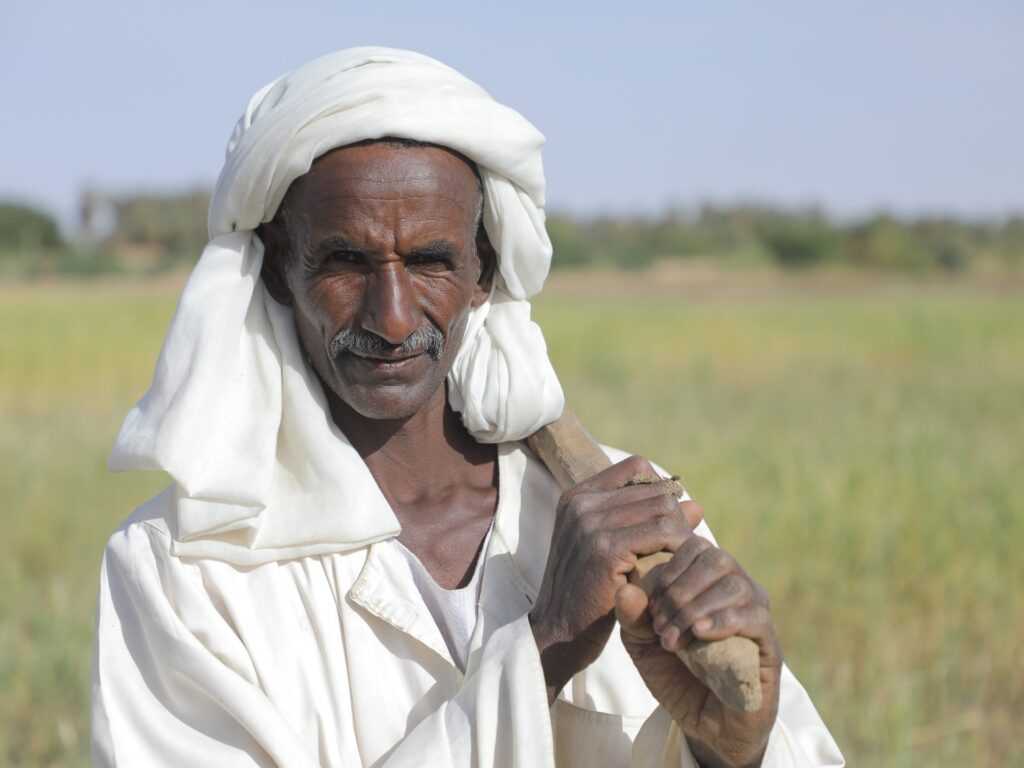
The immediate victims are the smallholder families who own or rent plots of less than two hectares. A recent survey by Sudanese NGO Al‑Shams reported that 68% of respondents have seen their household income drop by more than half since the power cuts began. Women, who typically manage water collection and post‑harvest processing, are facing longer hours and higher labor costs, while children are being pulled out of school to help with manual irrigation. The loss of harvests also reverberates in Khartoum’s bustling markets, where rising prices for staple grains are already straining urban households already coping with inflation.
For the Sudanese diaspora, especially those in the Gulf states and Europe who send remittances that account for roughly 12% of Sudan’s GDP, the crisis presents a new dilemma. With farmers unable to sell their produce, many diaspora families are receiving fewer requests for cash support, while at the same time the cost of food imports for relatives back home is climbing. According to a 2026 World Bank analysis, remittance flows could decline by up to 8% if the agricultural downturn persists, tightening the financial lifeline for millions of Sudanese households.
Regional ripple effects: From the Nile basin to Sahel trade routes
The crisis also threatens the broader Sahelian push for food‑security resilience. Regional bodies such as the African Union’s Inter‑African Bureau for Animal Resources have warned that a shortage of Sudanese feed grains could exacerbate livestock losses in neighboring Chad and Niger, where pastoralists already contend with desertification. In response, the East African Community is exploring a joint emergency grain reserve, but funding gaps and logistical hurdles remain. The situation underscores how conflict‑induced infrastructure damage can amplify climate‑driven shocks, creating a feedback loop that destabilises the entire Horn‑Sahel corridor.
What comes next: Humanitarian response, reconstruction and policy choices
Long‑term solutions will require a shift in policy. Experts argue that Sudan must diversify its energy mix, investing in decentralized renewable systems that are less vulnerable to sabotage. The Ministry of Agriculture has announced plans to pilot solar‑driven water‑pumping stations in the Blue Nile state, but implementation has been stalled by funding shortfalls and security concerns. If the conflict persists, the country risks losing a generation of farmers, eroding food sovereignty and deepening reliance on imports. For the African continent, Sudan’s plight serves as a stark reminder that climate resilience cannot be built without peace and functional infrastructure.
Quick Answers
How many Sudanese farmers are affected by the power cuts and drought in 2026?
Around 2.5 million smallholder farmers are estimated to have lost access to irrigation and storage due to electricity outages and the worst drought in decades.
What impact does Sudan’s agricultural crisis have on neighboring countries?
Reduced grain and feed exports raise food prices in South Sudan, Chad and the Central African Republic, while lower Nile runoff may affect water availability for Ethiopia and Egypt.
What are the main steps being taken to help Sudan’s farmers recover?
The UN World Food Programme is delivering cash vouchers and grain aid, while the African Development Bank is funding solar‑powered irrigation pilots and climate‑smart seed programs.
Source: www.aljazeera.com




💬 Comments 0