Russia lost nearly 500,000 in Ukraine war, leaked data warns African grain shortage
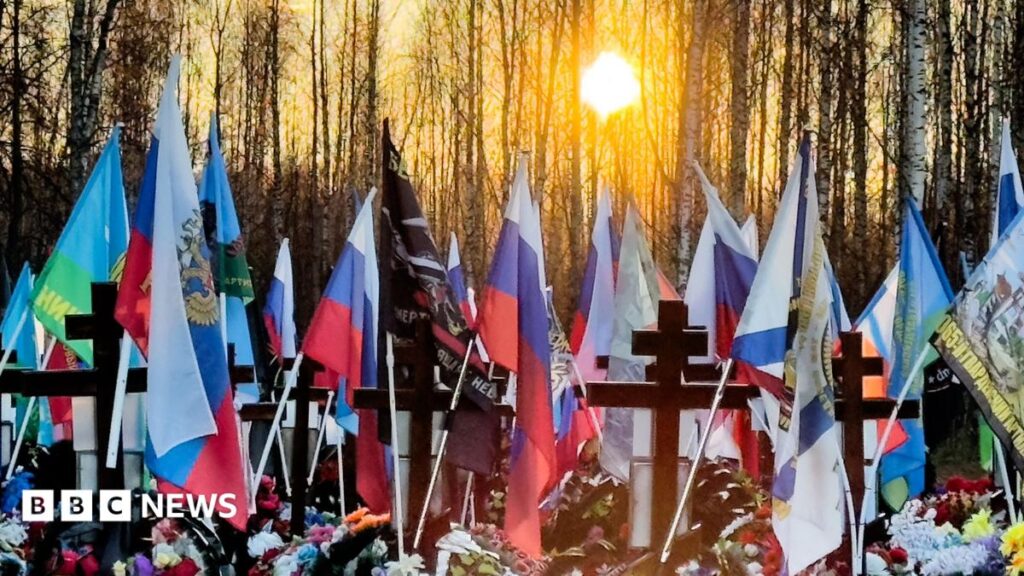
Leaked mortality figures break Russia’s silence
In early November 2026, a cache of internal Russian statistics surfaced on a whistle‑blower platform, showing that the war in Ukraine has cost the country close to half a million lives since February 2022. The numbers combine battlefield casualties, excess deaths from disrupted health services, and a spike in alcohol‑related fatalities, according to the leaked Federal State Statistics Service (Rosstat) tables.
The data contrast sharply with official Kremlin statements, which have consistently downplayed human losses. While Moscow still reports a “few thousand” combat deaths, the leaked sheets list 472,000 confirmed deaths and an additional 23,000 missing persons, a figure that researchers say is likely an underestimate because of reporting gaps in remote regions.
A demographic shock for a shrinking nation
Russia’s population has been in gradual decline for over a decade, driven by low birth rates and emigration. The sudden surge of war‑related deaths accelerates that trend, pushing the country’s total population below 140 million for the first time since the early 1990s, according to demographers at the Moscow Institute of Demography.
Beyond the raw headcount, the loss of predominantly young men in their prime working ages deepens the country’s labor shortage. Analysts warn that the resulting gap in the skilled workforce could hamper Russia’s industrial output, especially in sectors that already suffer from brain drain, such as information technology and advanced manufacturing.
Ripple effects on African grain imports
Russia is a top global exporter of wheat, and its Black Sea ports have traditionally supplied about 15 % of Africa’s grain imports. The demographic toll translates into a reduced pool of farm workers and a slowdown in harvests, which in turn has already lowered Russia’s exportable grain volumes by an estimated 5 % this year, according to the International Grains Council.
Countries such as Egypt, Nigeria, and Kenya, which rely heavily on Russian wheat to stabilise domestic food prices, are now scrambling for alternatives. The sudden shortfall has pushed spot prices up by roughly 12 % since June 2026, tightening food security for over 30 million Africans who already face climate‑induced crop failures.
Consequences for Russian military aid in Africa
Moscow’s waning manpower pool also affects its capacity to sustain private military contractors, notably the Wagner Group, which has been active in the Sahel, Libya, and the Central African Republic. Sources close to the Kremlin say recruitment drives in the Russian hinterland are yielding fewer volunteers, forcing the group to rely more on foreign mercenaries and local proxies.
For African regimes that depend on Russian arms and security assistance, the shift could mean delayed deliveries, higher costs, or a strategic recalibration toward other partners such as China or the United Arab Emirates. The potential vacuum is already being discussed in diplomatic circles in Addis Ababa and Abuja.
Political fallout and what comes next for Moscow
Domestically, the scale of loss is likely to fuel public discontent, especially as families confront a growing number of widows and orphans. Opposition figures, though heavily censored, have begun citing the leaked mortality data in protests across Moscow and St. Petersburg, demanding greater transparency and an end to the conflict.
Internationally, the figures add weight to calls for a renewed diplomatic push on the Ukraine front. European leaders, referencing the new data, argue that Russia’s capacity to sustain a prolonged war is eroding, which could open a window for negotiated settlements. For African governments, the evolving balance of power may reshape aid flows, trade agreements, and security partnerships in the coming months.
Quick Answers
How many people has Russia reportedly lost in the Ukraine war according to the leaked data?
The leaked Rosstat figures show about 472,000 confirmed deaths and 23,000 missing, roughly 495,000 people in total.
Why does Russia’s war loss matter for African grain markets?
Russia’s reduced workforce cuts wheat harvests, lowering export volumes and pushing up global grain prices that many African countries depend on for food security.
What impact could the Russian casualty toll have on African security partnerships?
A shrinking pool of Russian mercenaries may delay arms deliveries and force African regimes to seek alternative security partners, altering existing Russian‑Africa ties.
Source: www.bbc.co.uk



💬 Comments 0