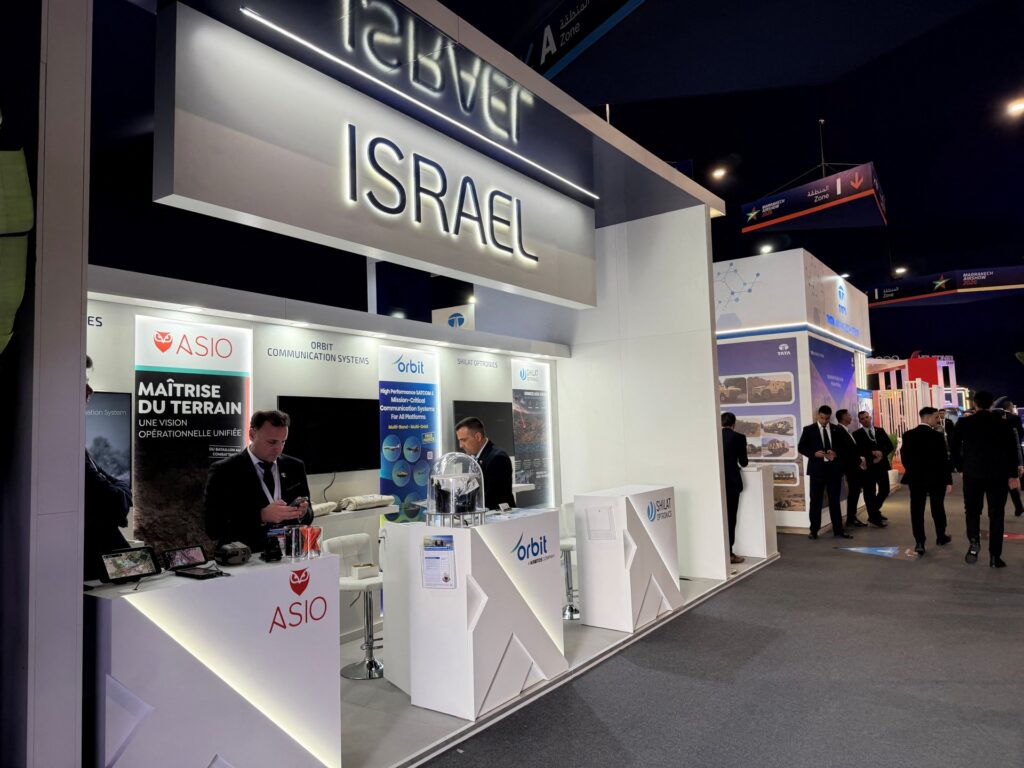
Israel opens first national pavilion at Morocco’s Marrakech Air Show 2026
Background: Morocco‑Israel ties and the defence market
Morocco formally normalised relations with Israel in December 2020, joining the wave of Abraham Accords that reshaped diplomatic ties across the Middle East and North Africa. The agreement unlocked a range of cooperation, from tourism to technology, but defence collaboration remained a cautious, low‑profile arena because of regional sensitivities and domestic opposition within Morocco.
Since the diplomatic breakthrough, both governments have signed a handful of memoranda of understanding covering security training, intelligence sharing and joint counter‑terrorism exercises. Yet the commercial side of defence – arms sales, technology transfer and joint R&D – has lagged behind, partly due to the traditionally opaque nature of African defence procurement and the lingering stigma of Israeli military equipment in some Arab markets.
In recent years, Morocco has embarked on a major modernisation of its armed forces, allocating over $5 billion to new aircraft, naval vessels and air‑defence systems. This fiscal push coincides with a broader African trend where several countries are seeking alternatives to traditional Western suppliers, looking for cost‑effective, technology‑rich options that can be integrated quickly.
The pavilion debut at the Marrakech Air Show
The Marrakech Air Show, held annually in early October, is Morocco’s premier aerospace and defence exhibition, attracting buyers and contractors from Europe, the United States and the Gulf. On October 8, 2026, Israel unveiled its first dedicated national pavilion, a move described by the Israeli Ministry of Defence as “a historic step toward deeper security partnership with Morocco”.
Inside the 1,200‑square‑metre space, Israel’s top defence firms – Elbit Systems, Israel Aerospace Industries (IAI) and Rafael Advanced Defense Systems – displayed a mix of unmanned aerial systems, cyber‑defence solutions and precision‑guided munitions. Live demonstrations of the Hermes 900 UAV and the Spike missile family were scheduled, allowing Moroccan officials to evaluate the platforms in person rather than through remote briefings.
The pavilion also featured a “Made‑in‑Morocco” showcase, highlighting joint‑venture projects that aim to assemble Israeli‑origin hardware locally. According to a press release from the Moroccan Ministry of Defence, the government hopes the initiative will create up to 2,000 skilled jobs and reduce reliance on imported spare parts.
Strategic implications for North Africa and the wider region
Israel’s presence at a high‑profile African defence fair signals a shift in its outreach strategy, moving from diplomatic gestures to concrete market penetration. Analysts at the International Institute for Strategic Studies note that the move could tilt the regional arms balance, giving Morocco access to cutting‑edge Israeli technology that rivals European offerings in price and performance.
For neighbouring Algeria – a long‑standing rival of both Morocco and Israel – the development may intensify an already fraught security competition. While Algeria continues to rely heavily on Russian equipment, the visibility of Israeli systems could encourage it to diversify its suppliers or accelerate its own indigenous programmes, according to a senior Algerian defence official quoted by Reuters.
Beyond the Maghreb, the pavilion could act as a gateway for Israeli firms to other African states that are modernising their militaries, such as Kenya, Ethiopia and the Sahel nations battling insurgencies. The African Union’s recent push for a continental defence procurement framework makes the timing of Israel’s outreach especially pertinent.
What this means for African defence procurement and local industry
African defence markets have traditionally been dominated by European (mainly French and British) and American suppliers, with Russia playing an increasingly visible role. Israeli technology, known for its compact size and battlefield adaptability, offers an alternative that aligns with many African armies’ need for rapid deployment and limited logistics footprints.
Local defence industries stand to benefit from technology‑transfer clauses that Israeli firms often embed in export contracts. The “Made‑in‑Morocco” component of the pavilion, for instance, promises assembly lines for UAVs and electronic warfare kits, which could spur a nascent supply chain of African engineers, technicians and component manufacturers. A senior official at the Moroccan Industrial Development Agency told Al‑Jazeera that the partnership could raise the country’s export potential to other African buyers by 15‑20 percent within five years.
However, critics warn that an influx of foreign arms could exacerbate regional arms races and fuel conflicts in already volatile zones. Human‑rights NGOs, including Amnesty International, have called for stricter end‑use monitoring, noting that some Israeli weapons have previously been linked to civilian casualties in conflict zones. The Moroccan government has pledged to adhere to the Arms Trade Treaty, but implementation details remain under discussion.
Reactions and the road ahead
Domestically, the pavilion sparked a mixed response. Pro‑normalisation parties hailed it as a sign of Morocco’s growing strategic autonomy, while opposition groups staged small protests outside the exhibition centre, arguing that the government is “selling out national security interests” to foreign interests. Social‑media sentiment, measured by a recent poll from the Moroccan Institute of Public Opinion, shows that 42 percent of respondents view the partnership positively, 35 percent are indifferent, and 23 percent express concern.
Internationally, the United States welcomed the development, with a State Department spokesperson stating that “enhanced security cooperation between Israel and Morocco contributes to stability in the Sahel and the broader Mediterranean region”. The European Union, meanwhile, issued a cautious statement reminding all parties of the need for transparency in arms deals, especially given the EU’s own export‑control mechanisms for North Africa.
Looking forward, the next steps will likely involve formal procurement contracts, joint‑training exercises and possibly the establishment of a permanent Israeli‑Moroccan defence liaison office in Rabat. If those agreements materialise, they could set a precedent for other African nations to engage more openly with Israeli defence firms, reshaping the continent’s security architecture for the next decade.
Quick Answers
When did Israel open its first pavilion at a Moroccan defence show?
Israel debuted its first national pavilion at the Marrakech Air Show on October 8, 2026.
Which Israeli companies are showcasing at the pavilion?
The pavilion features Israel’s leading contractors – Elbit Systems, Israel Aerospace Industries and Rafael Advanced Defense Systems.
How could this affect African arms markets?
The exposure may open new sales channels for Israeli technology across Africa, prompting competition and potentially reshaping procurement patterns in several countries.
Source: www.aljazeera.com




💬 Comments 0