Israel rejects Trump’s 15‑point Gaza plan, Netanyahu says no pull‑out until Hamas disarmed
Background: Trump’s Gaza peace blueprint
In early August 2026 former U.S. President Donald Trump released a 15‑point proposal aimed at ending the war in Gaza. The plan combined a cease‑fire, a phased Israeli withdrawal, a reconstruction fund for the Strip, and a series of security guarantees that would involve Egyptian and Qatari monitoring. It also called for a new political framework that would replace Hamas with a technocratic administration acceptable to both Israel and the United States. The document was circulated among senior officials in Washington, Jerusalem, and Doha, but never formally presented to the United Nations.
Trump’s outline echoed elements of the 2020 "peace to prosperity" initiative, yet added a tighter timetable for Israeli troop redeployment and a larger financial package for rebuilding – $14 billion, according to the proposal. Proponents argued that the plan could break the deadlock that has kept civilian casualties high for months, while critics warned that it gave too much leeway to hard‑line factions on both sides. The timing coincided with heightened pressure on Israel after a series of high‑profile attacks that killed dozens of civilians in Israeli towns bordering Gaza.
Netanyahu’s response and the political calculus
Prime Minister Benjamin Netanyahu publicly dismissed the 15‑point plan on August 9, stating that Israel would not withdraw its forces until Hamas was "genuinely" disarmed. In a televised address, he emphasized that any pull‑out without a verifiable dismantling of Hamas’ military infrastructure would jeopardize Israeli security and embolden other hostile actors in the region. Netanyahu’s stance aligns with the broader coalition in the Knesset, which has warned that a premature cease‑fire could be politically costly for the ruling Likud party ahead of the September elections.
Sources close to the Israeli defense establishment told reporters that the government had already examined the proposal and found several security gaps, particularly the lack of an on‑the‑ground verification mechanism for weapons destruction. According to The Times of Israel, senior officials also feared that the reconstruction fund could be siphoned by Hamas or its affiliates, undermining the intended humanitarian impact. The rejection therefore reflects both genuine security concerns and a calculated move to maintain domestic political momentum.
What the rejection means for the Gaza conflict
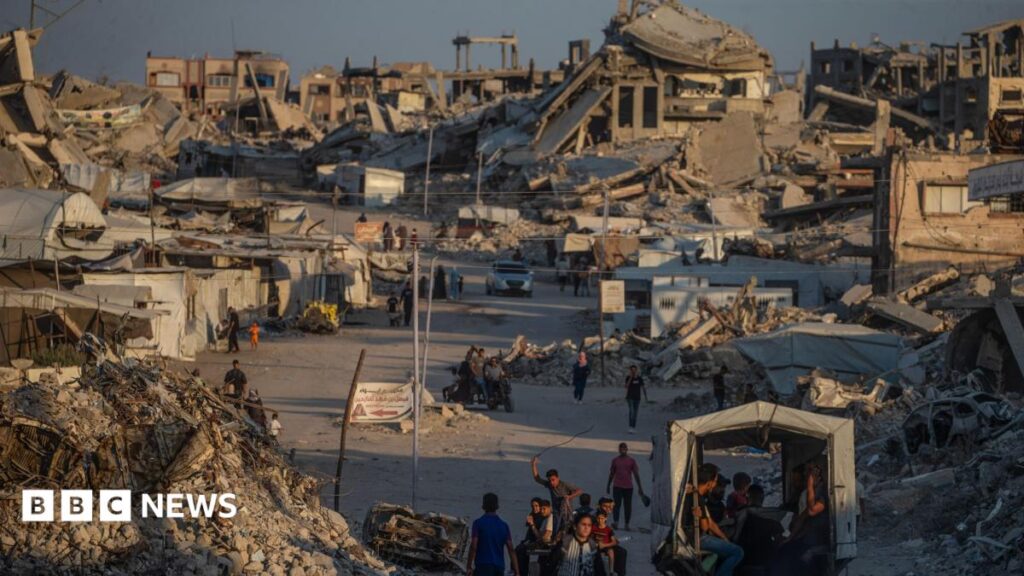
The outright dismissal of Trump’s plan removes a potential diplomatic opening that could have brought the United States back into a mediating role. With Israel insisting on a full military defeat of Hamas, the conflict is likely to intensify, extending the humanitarian crisis that already sees over 2 million displaced residents and dwindling medical supplies. International aid agencies have warned that without a cease‑fire, the risk of a large‑scale famine in the Strip rises sharply, a scenario that could trigger broader regional instability.
Analysts at the International Crisis Group say the stalemate could push regional powers like Egypt and Qatar to pursue their own back‑channel negotiations, but these are unlikely to replace a comprehensive settlement. Moreover, the rejection may embolden hard‑liners in the Israeli cabinet who have called for an expanded ground operation into the northern Gaza suburbs, a move that could further strain Israel’s relationship with European allies who have been urging restraint.
Ripple effects on Africa and the diaspora
African nations, particularly those with sizable Muslim populations, have reacted with concern. South Africa’s foreign ministry issued a statement urging an immediate cease‑fire and warning that prolonged fighting could fuel radicalisation on the continent. Nigeria’s Ministry of Foreign Affairs highlighted the need for a “balanced approach” that protects civilian lives while acknowledging Israel’s security concerns, a phrasing that mirrors the diplomatic tightrope many African states are walking.
For the African diaspora in Europe and North America, the rejection reverberates through community activism. Nigerian‑American groups have organized protests in New York and Washington, demanding that the U.S. leverage its influence to push for a humanitarian pause. Meanwhile, Ghanaian and Kenyan business councils warn that instability in the Middle East could disrupt oil shipments through the Red Sea, potentially raising fuel prices in West African markets already grappling with inflation.
What comes next: diplomatic and regional dynamics
In the short term, the United States is expected to issue a diplomatic note reiterating its support for a negotiated settlement, but without a concrete alternative to Trump’s plan, the pressure will likely shift to multilateral forums such as the UN Security Council. Egypt’s President Abdel Fattah al‑Sisi is rumored to be preparing a new cease‑fire proposal that would involve a joint Israeli‑Egyptian monitoring team, a move that could gain traction if Israeli security guarantees are strengthened.
Looking ahead to the September Israeli elections, Netanyahu’s hard‑line position may secure short‑term political gains but could also deepen Israel’s international isolation if civilian casualties continue to mount. Observers from the African Union have signaled that the AU will consider a special envoy to the Middle East to coordinate humanitarian assistance, a step that could bring African perspectives into the broader peace discourse. Ultimately, the rejection of the 15‑point plan underscores the difficulty of translating high‑profile diplomatic ideas into on‑the‑ground realities when deep mistrust persists.
Quick Answers
Why did Israel reject Donald Trump's 15‑point Gaza plan?
Israel said the plan lacked sufficient guarantees that Hamas would be fully disarmed and feared the reconstruction funds could be misused.
How might the rejection affect African countries?
African governments worry about regional instability, potential fuel price spikes, and increased radicalisation, prompting diplomatic statements and aid concerns.
What are the next steps for peace talks after the rejection?
The U.S. is likely to push for a new cease‑fire proposal, possibly led by Egypt, while the UN and African Union may seek to mediate humanitarian assistance.
Source: www.bbc.co.uk




💬 Comments 0