Israel warns of forceful response to Gaza kite attacks by children, August 2026
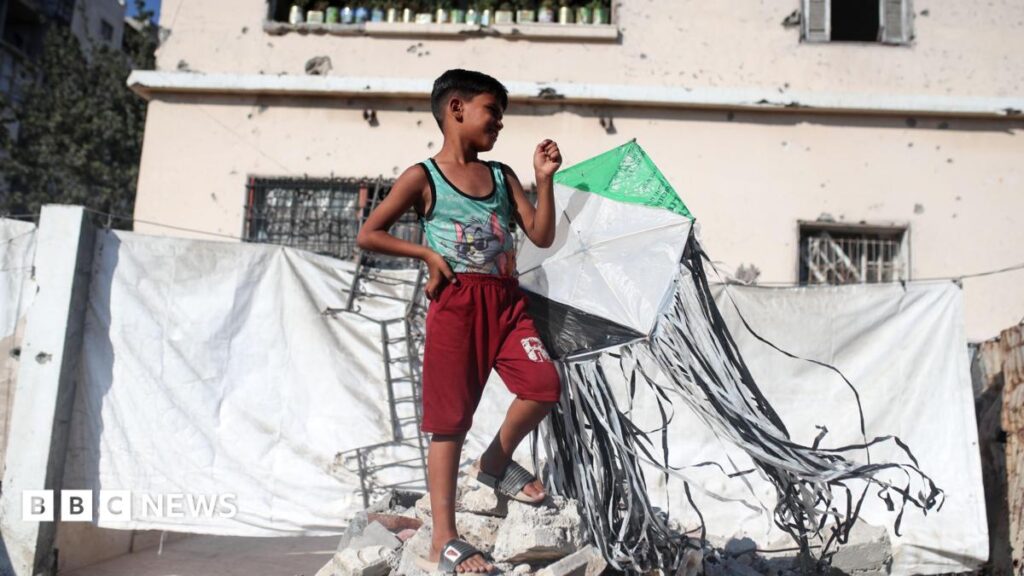
Background: Kites as a new front in the Gaza‑Israel standoff
Since the ceasefire of early 2025, the Israel‑Gaza border has been a tinderbox of low‑tech provocations, from fireworks to homemade balloons. In the past weeks, residents of Israeli kibbutzim along the fence have reported small kites drifting across the demarcation line, some carrying thin wires or tiny payloads.
The practice is not entirely new; similar kite‑based incursions were documented during the 2014 conflict, but the recent surge coincides with a lull in larger rocket fire. Analysts say the timing is deliberate, aiming to keep the border tense without triggering a full‑scale exchange of missiles.
What happened: Children, kites and an Israeli warning
On August 22, three separate kite sightings were logged in the Israeli community of Netiv HaAsara. The objects landed briefly before being retrieved by local volunteers. The following day, the Israeli Defense Forces issued a statement warning of a "forceful response" to any further attempts to breach the border, citing potential threats to civilian safety.
Hamas quickly responded, stating that the kites were launched by children playing in Gaza and carried no harmful intent. A spokesperson for the group told Al‑Jazeera that the kites were part of a school project, not a coordinated military operation. The divergent narratives have fueled a media battle as each side tries to shape international perception.
Why it matters: Psychological warfare and escalation risk
Even when they lack explosive payloads, kites can be used to deliver surveillance equipment, tiny incendiaries, or to test the responsiveness of border defenses. Security experts warn that such low‑tech tools can serve as a rehearsal for more sophisticated attacks, allowing militants to gauge reaction times and civilian morale.
From a legal standpoint, the incident blurs the line between civilian activity and hostile action. International humanitarian law distinguishes between combatants and non‑combatants, but when children are involved, the calculus becomes fraught. Any Israeli retaliation that harms civilians could attract condemnation and complicate diplomatic efforts aimed at a longer‑term ceasefire.
A wider pattern: Low‑tech tactics in African conflict zones
The kite episode mirrors a growing trend across Africa where insurgent groups employ inexpensive, easily assembled devices to bypass high‑tech surveillance. In Nigeria's northeast, Boko Haram has used homemade balloons to drop propaganda leaflets and small incendiary devices, while in the Sahel, Tuareg rebels have experimented with kite‑borne cameras to scout French‑backed forces.
Security agencies in Kenya and Ethiopia have recently upgraded their border monitoring systems after similar low‑tech incursions, investing in acoustic sensors and visual AI that can detect unusual aerial objects. The Gaza incident therefore serves as a case study for African militaries grappling with the same dilemma: how to respond proportionally to threats that are technically non‑lethal but symbolically potent.
Reactions: From Jerusalem to the diaspora
Israeli officials, including Defense Minister Yoav Gallant, framed the warning as a deterrent, insisting that any kite crossing the fence will be met with "appropriate force" to protect citizens. Human rights NGOs, however, cautioned against a heavy‑handed approach that could endanger children on the Gaza side, calling for a measured investigation before any punitive action.
Among the Palestinian diaspora in London and Johannesburg, social media erupted with images of homemade kites decorated with peace symbols, turning the incident into a flashpoint for artistic protest. Nigerian journalists covering the Middle East for local outlets reported that the kite story sparked a debate on the ethics of reporting child involvement in conflict, a conversation that resonates with African media ethics discussions.
What’s next: Possible Israeli actions and diplomatic fallout
If Israel chooses a kinetic response—such as deploying drones to intercept future kites—it could set a precedent for treating any aerial intrusion as a hostile act, raising the stakes for future low‑tech provocations. Conversely, a restrained approach, perhaps involving joint monitoring committees, could open a channel for de‑escalation and demonstrate a willingness to separate civilian play from military intent.
International mediators, including the United Nations and Qatar, have urged both sides to keep communications open. The outcome of this small‑scale episode may influence broader negotiations on prisoner exchanges and reconstruction aid, especially as humanitarian agencies watch for any escalation that could jeopardise aid convoys moving through the border region.
Quick Answers
Why did Israel issue a forceful response warning over kites from Gaza?
Israel said the kites could carry wires or payloads that threaten civilian safety, prompting a warning to deter any further border breaches.
What did Hamas say about the kite incidents?
Hamas claimed the kites were launched by children in Gaza as part of a school activity and not as a coordinated attack.
How do low‑tech tactics like kites affect security policies in Africa?
African militaries have begun upgrading border sensors and adopting AI‑driven detection after similar inexpensive aerial incursions by insurgent groups.
Source: www.bbc.co.uk




💬 Comments 0