Israeli buyers trigger rent surge in Exarchia, Athens – Pro‑Palestine hub feels pressure, 2026
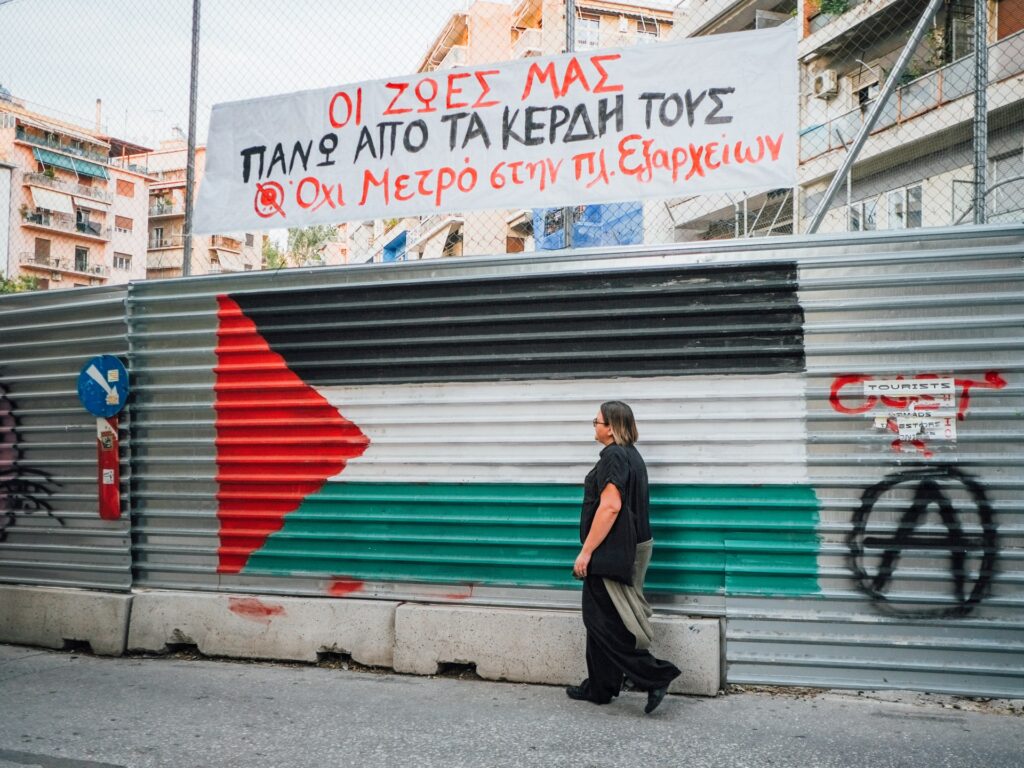
Exarchia’s bohemian roots and recent gentrification
Nestled just north of the historic centre of Athens, Exarchia has long been celebrated for its gritty cafés, street art, and a fierce tradition of left‑wing activism. Since the 1970s the neighbourhood earned a reputation as a haven for students, artists and political dissidents, a reputation that still draws crowds seeking an “authentic” Athenian experience.
Over the past decade, however, the neighbourhood’s cheap rent and central location have attracted a new wave of investors. International buyers, drawn by Greece’s Golden Visa programme and the promise of high returns from tourism, began snapping up apartments en masse. The result has been a subtle but steady shift from long‑term community housing to a portfolio of short‑term rentals aimed at visitors.
Local journalists note that the change is not merely aesthetic. The once‑vibrant street protests and community gatherings are now often interrupted by the turnover of transient guests, a dynamic that many long‑time residents say erodes the social fabric that defined Exarchia for generations.
Israeli investors, short‑term rentals and the rent surge
According to a report by Greek Reporter in September 2026, Israeli buyers have become one of the most active foreign groups purchasing property in Exarchia. The surge is linked to a combination of factors: the ease of obtaining residency through property investment, a perception of Athens as a safe haven amid regional tensions, and the profitability of listing apartments on platforms such as Airbnb and Booking.com.
Data from the Athens Municipal Housing Authority shows that average monthly rent for a one‑bedroom flat in Exarchia jumped from €350 in early 2024 to €620 by mid‑2026 – a 77 percent increase in just two years. The rise outpaces wage growth in the city, leaving many students and low‑income workers unable to afford their former neighbourhoods.
Real‑estate agents interviewed by Reuters confirm that many of the newly acquired units are never occupied by the owners; instead, they are turned into “turn‑key” short‑term rentals that can earn €80‑€120 per night during the peak tourist season. This model maximises cash flow for investors while squeezing out the long‑term rental market.
Social and political backlash in a pro‑Palestine enclave
Exarchia’s reputation as a pro‑Palestine stronghold adds a layer of political tension to the housing dispute. Demonstrations supporting Gaza have been a regular feature of the neighbourhood’s calendar, and many locals view the influx of Israeli property owners as an intrusion on both their cultural identity and political stance.
Resident activist groups have organised petitions demanding stricter limits on short‑term rentals and a ban on new foreign ownership in historically “cultural‑heritage” zones. In a protest held on 12 October 2026, demonstrators unfurled banners reading “Our streets, not your Airbnb” and called on the Greek government to enforce the 2020 law that already restricts the conversion of residential units into tourist accommodations.
Municipal officials, however, argue that the city needs the tax revenue generated by tourism to fund public services. A spokesperson for the Athens City Council told local media that any blanket ban would “undermine the city’s economic recovery after years of austerity,” highlighting the classic clash between fiscal pragmatism and grassroots activism.
Ripple effects for African migrants and the Greek diaspora
While the headlines focus on Israeli investors, the housing crunch is also reshaping the lives of African migrants who have settled in Athens over the past decade. According to the International Organization for Migration, more than 120,000 Sub‑Saharan Africans now live in Greece, many of whom rely on affordable districts like Exarchia for accommodation close to work and community networks.
Community leaders from the African diaspora say the rent surge forces many migrants into overcrowded shared flats or pushes them further into the city’s periphery, where public transport is less reliable and job opportunities are scarcer. “We are being priced out of the neighborhoods where we built support systems,” said Amina Hassan, a Nigerian community organizer, in an interview with Al Jazeera Africa.
The situation also fuels a broader narrative about exclusion. As foreign investors reap profits, migrants—who often lack the legal pathways to obtain residency through property—find themselves on the losing end of the market. This disparity is feeding a growing sense of economic marginalisation that could have political ramifications, especially as Greece prepares for its next parliamentary elections in early 2027.
Policy crossroads and what could happen next
Greek lawmakers are now under pressure to reconcile three competing priorities: protecting affordable housing, preserving tourism revenue, and addressing the political sensitivities of a neighbourhood that has become a symbol of solidarity with Palestine. A draft amendment presented to the Hellenic Parliament in September proposes a cap of 30 percent on foreign ownership in designated cultural‑heritage districts and tighter licensing for short‑term rentals.
If passed, the amendment could slow the pace of new acquisitions but would not retroactively affect the thousands of apartments already listed on global platforms. Critics argue that without a comprehensive rent‑control framework, the measure would be merely symbolic. Housing NGOs, such as the Greek Housing Forum, are lobbying for a city‑wide rent‑freeze in Exarchia for the next two years, citing the European Union’s recent guidance on “housing as a human right.”
The coming months will reveal whether Athens can strike a balance that satisfies both investors and residents. For now, the streets of Exarchia echo with a familiar refrain: a call for affordable homes, cultural continuity, and a political space that remains untainted by external market forces.
Quick Answers
Why are rents rising so fast in Exarchia, Athens?
Rents have jumped because Israeli and other foreign investors are buying apartments and converting them into short‑term rentals, shrinking the supply of long‑term housing.
How does the rent surge affect African migrants in Greece?
Higher rents push many African migrants into more distant or overcrowded neighborhoods, limiting access to jobs and community support.
What legislation is being considered to curb foreign ownership in Exarchia?
A draft amendment proposes a 30 percent cap on foreign ownership and stricter licensing for short‑term rentals in cultural‑heritage districts.
Source: www.aljazeera.com




💬 Comments 0