Japan beer giants Asahi, Kirin and Suntory raided in 2026 price‑fixing probe – what it means for consumers and African markets
Background: Japan’s beer landscape and the competition watchdog
Japan’s beer market has long been dominated by three household names – Asahi Group Holdings, Kirin Holdings and Suntory Holdings. Together they control more than 80 % of domestic volume, a share that has allowed them to set pricing strategies with little push‑back from smaller rivals.
The Japan Fair Trade Commission (JFTC) is the government body tasked with policing anti‑competitive conduct. In recent years it has stepped up investigations into sectors where a handful of firms wield outsized market power, from telecoms to cosmetics. The brewing sector, with its high profit margins and entrenched distribution networks, has become a new focus.
The raid: What authorities did and what they are looking for
On 3 October 2026, JFTC agents conducted simultaneous searches at the headquarters and regional offices of Asahi, Kirin and Suntory. Officials seized internal emails, pricing spreadsheets and minutes from strategy meetings, according to a statement released by the commission.
Sources close to the investigation say the raid is part of a broader probe into alleged collusion that kept beer prices artificially high for more than a decade. The commission is reportedly looking for evidence that the three firms agreed on minimum retail prices, shared market‑share targets, or coordinated promotional activities to avoid price wars.
Why the case matters for Japan and the global beer industry
If the JFTC can prove a price‑fixing cartel, the three giants could face fines of up to 10 % of their global annual turnover – a sum that would run into billions of yen. Such a penalty would be one of the largest ever levied on a Japanese consumer‑goods company and could force the firms to rethink their pricing formulas across all product lines, not just beer.
Beyond the immediate financial hit, a conviction would send a clear signal to other oligopolistic sectors in Japan that the era of tacit collusion is ending. Internationally, the case could embolden regulators in the United States, Europe and South‑East Asia, where similar investigations into beverage cartels have already resulted in hefty settlements.
African angle: Japanese beer brands, imports and local market dynamics
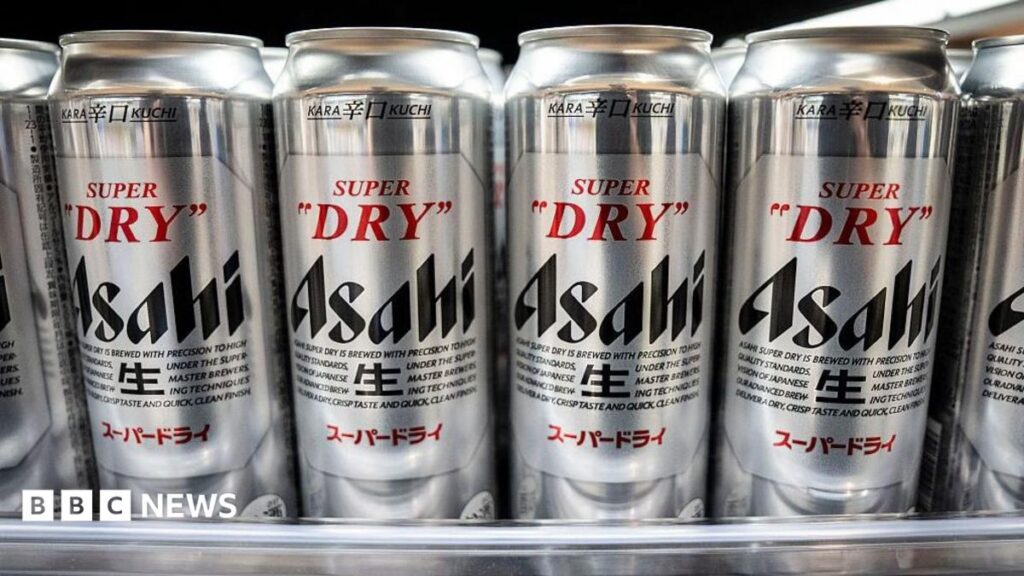
Japanese beer brands, especially Asahi’s Super Dry, have carved out a niche in African premium‑import markets such as Nigeria, Kenya and South Africa. Importers rely on stable wholesale prices to manage the high tariffs and logistics costs that accompany long‑distance shipping. A price‑fixing scandal could destabilise those expectations, prompting importers to renegotiate contracts or seek alternative suppliers.
Local breweries in Africa are watching the case closely. Several have complained that Japanese imports undercut their craft‑beer offerings while still commanding premium shelf space. If the JFTC’s action leads to lower wholesale prices for Asahi, Kirin and Suntory, African brewers could face renewed price pressure, potentially accelerating consolidation or prompting them to lobby their own governments for protective measures.
Reactions: Industry, consumer groups and political fallout
The three companies issued brief statements saying they are “cooperating fully with the investigation” and that they “respect the rule of law.” Consumer advocacy groups in Japan, such as the Japan Consumer Federation, have called for swift action, arguing that inflated beer prices hurt ordinary households, especially retirees on fixed incomes.
In the political arena, opposition parties have seized on the raid to criticize the ruling Liberal Democratic Party’s perceived softness on corporate misconduct. A member of the Diet’s Committee on Economy, Trade and Industry suggested that stricter enforcement could boost consumer confidence ahead of the 2027 general election.
What’s next: Possible outcomes and longer‑term implications
The JFTC has not set a timetable for concluding its probe, but analysts at Nomura predict a decision could arrive within 12‑18 months. Should the commission issue a fine, the companies will likely appeal, extending the legal battle for several years. In the meantime, they may voluntarily adjust pricing to pre‑empt harsher penalties.
For African distributors, the key takeaway is to diversify supply chains and monitor any price adjustments coming from Japan. The episode also highlights the growing relevance of Japanese corporate governance to African markets, where investors are increasingly sensitive to ESG (environmental, social and governance) risks tied to anti‑trust violations.
Quick Answers
What is price‑fixing in the beer industry?
Price‑fixing occurs when competing firms agree to set minimum or uniform prices, preventing natural competition and keeping consumer costs artificially high.
Which Japanese beer companies are under investigation?
The Japan Fair Trade Commission is probing Asahi Group Holdings, Kirin Holdings and Suntory Holdings for alleged collusion on beer pricing.
What penalties could the firms face if found guilty?
The JFTC can impose fines of up to 10 % of global annual turnover, potentially amounting to billions of yen, along with orders to change pricing practices.
Source: www.bbc.co.uk




💬 Comments 0