Jared Kushner meets Netanyahu in 2026 push for US‑backed Gaza peace plan, implications for Africa
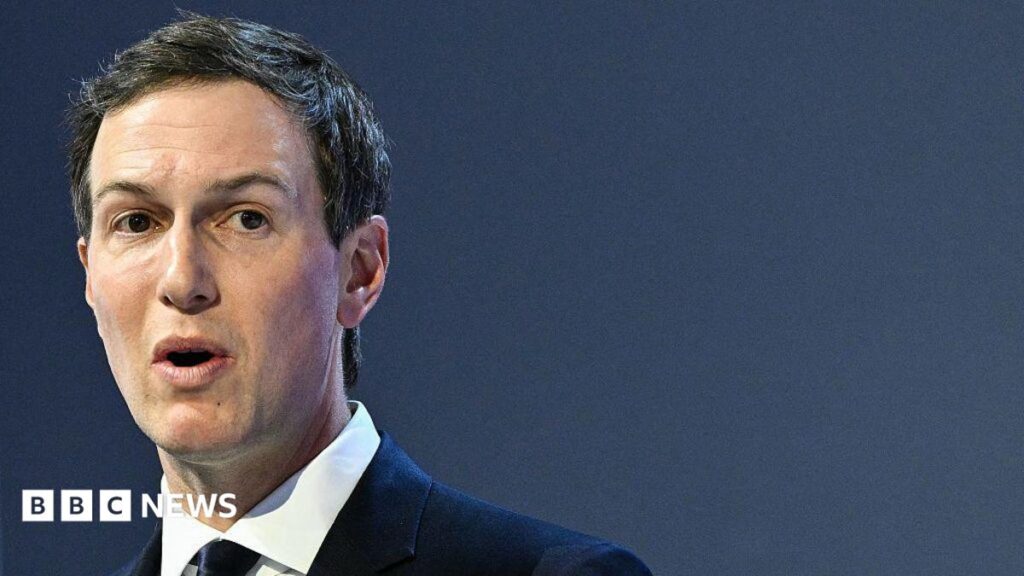
Background: The US‑backed Gaza peace blueprint
In early 2026 the Trump administration unveiled a three‑stage proposal to end the Gaza conflict, promising a cease‑fire, reconstruction funding and a pathway to a Palestinian state that would recognize Israel. The plan, dubbed the "Middle East Peace Initiative," was presented as a compromise that would satisfy both Israeli security concerns and Palestinian aspirations for sovereignty.
While the blueprint was drafted by senior White House advisers, Jared Kushner – the former senior adviser and son‑in‑law of former President Donald Trump – has been the public face of its diplomatic push. After the cease‑fire talks with Hamas in March, Kushner was dispatched to Jerusalem to secure Israeli endorsement, a move that signals Washington’s desire to keep the United States at the centre of any settlement process.
The meeting: Kushner and Netanyahu on the sidelines of talks
On August 16, 2026 Kushner met Israeli Prime Minister Benjamin Netanyahu at the Prime Minister’s office, just hours after Hamas representatives concluded a preliminary cease‑fire negotiation in Cairo. According to a source familiar with the meeting, the discussion focused on how Israel could integrate the US‑funded reconstruction package into its own security framework while preserving its control over border crossings.
Kushner reportedly emphasized that the United States would allocate $5 billion for Gaza reconstruction, contingent on Israel’s cooperation and on Hamas renouncing violence. Netanyahu, who has long been skeptical of external pressure on Israel’s security policy, signalled a tentative willingness to consider the funding if it came with guarantees that the Palestinian Authority would oversee civilian projects.
Why it matters: Shifts in US‑Israel coordination and regional stability
The encounter marks a rare moment of direct engagement between a former White House adviser and Israel’s top political leader since the Abraham Accords of 2020. Analysts say Kushner’s involvement reflects a broader U.S. strategy to bypass traditional diplomatic channels, using personal rapport to accelerate a deal that could reshape the geopolitics of the Eastern Mediterranean.
If the plan gains Israeli backing, it could lock in a cease‑fire that would prevent further escalation and open the door for international donors to pour resources into Gaza. However, critics warn that the proposal’s reliance on Israeli security guarantees may marginalise Hamas and the broader Palestinian civil society, potentially sowing the seeds for future unrest.
African angle: How the Gaza plan could ripple across the continent
Many African nations, especially those with sizable Muslim populations such as Nigeria, Senegal and Kenya, have publicly condemned the humanitarian crisis in Gaza. A United Nations‑coordinated relief effort, led in part by African NGOs, has been delivering food and medical supplies to the enclave since the war began. The US‑backed reconstruction fund could shift the balance of aid, diverting resources away from African‑run charities toward Israeli‑controlled channels.
Israel has deepened ties with several African states over the past decade, signing trade agreements in technology, agriculture and defence. A successful peace plan that includes Israeli oversight of reconstruction could strengthen those commercial links, offering African entrepreneurs new markets for Israeli‑origin irrigation systems and cybersecurity solutions. Conversely, countries that view the plan as favouring Israel risk diplomatic friction with the broader African Union, which has historically supported Palestinian self‑determination.
The diaspora dimension is also significant. Over 2 million people of African descent live in the United States, and many maintain family connections in the Middle East. A stable Gaza could ease travel restrictions for African pilgrims heading to Jerusalem and potentially open cultural exchange programmes that have been stalled by the conflict.
Reactions: From African governments to civil society
Nigeria’s Ministry of Foreign Affairs issued a statement calling for "an equitable and sustainable solution that respects the rights of the Palestinian people" while acknowledging the need for "humanitarian relief" (as reported by Premium Times). In South Africa, the ruling African National Congress urged the United Nations to monitor any reconstruction financing to ensure transparency and prevent misuse.
Human rights groups across the continent, including Amnesty International’s African branch, warned that the plan’s emphasis on Israeli security could undermine accountability for alleged war crimes. They urged the United States to tie any disbursement of funds to an independent verification mechanism, a demand echoed by several diaspora organisations in the UK and Canada.
On the commercial front, the Kenya Investment Authority announced that it would monitor the peace plan’s impact on its emerging tech‑agri partnership with Israel, signalling that private sector actors are already assessing the geopolitical shift.
What’s next: Diplomatic steps and possible fallout
In the coming weeks Kushner is expected to travel to Cairo for a trilateral summit with Egypt’s President Abdel Fattah al‑Sisi and Palestinian Authority President Mahmoud Abbas, where the details of the reconstruction fund will be hammered out. Sources say the United States will press for a joint monitoring board that includes representatives from the UN, the EU and a coalition of African donors.
If the board is formed and the funding released, the next challenge will be ensuring that reconstruction projects are implemented in a way that benefits ordinary Gazans rather than entrenched political factions. For African investors, the window may open for joint ventures in renewable energy and water management, sectors that the United Nations has identified as priorities for post‑war Gaza.
However, any perception that the plan favours Israeli interests could trigger protests across African capitals, potentially straining the United States’ relationships with nations that have traditionally aligned with the Palestinian cause. The diplomatic calculus will therefore hinge on how effectively Washington can balance security guarantees with genuine humanitarian outcomes.
Quick Answers
What is the US‑backed Gaza peace plan announced in 2026?
The plan proposes a cease‑fire, $5 billion in reconstruction aid and a framework for a Palestinian state that recognizes Israel, overseen by a joint US‑Israeli‑Palestinian monitoring body.
Why is Jared Kushner meeting Israeli Prime Minister Benjamin Netanyahu?
Kushner is seeking Netanyahu’s endorsement for the US peace blueprint, hoping Israeli security guarantees will unlock the pledged reconstruction funds.
How could the Gaza peace plan affect African countries?
It may redirect humanitarian aid away from African NGOs, reshape Israel‑Africa trade ties, and influence diaspora communities that are invested in the conflict’s outcome.
Source: www.bbc.co.uk




💬 Comments 0