Jellyfish Force Partial Shutdown of France’s Gravelines Nuclear Plant for Second Year in 2026
Why jellyfish are now a nuclear‑plant problem
Modern pressurised‑water reactors rely on large volumes of seawater to keep the reactor core cool. The intake screens that filter this water are designed for fish and debris, but they struggle when swarms of gelatinous jellyfish clog the pores. When the flow drops below safety thresholds, operators must reduce output or shut down the turbine to avoid overheating.
Jellyfish blooms have become more frequent in the North Sea and English Channel over the past decade, driven by warmer sea temperatures, over‑fishing of their predators and nutrient runoff from agriculture. Scientists at the French Institute for Marine Research note that the average size of blooms in the area has risen by roughly 30 % since 2015, a trend they link to climate‑related shifts in ocean currents.
Gravelines plant hit again – what unfolded this week
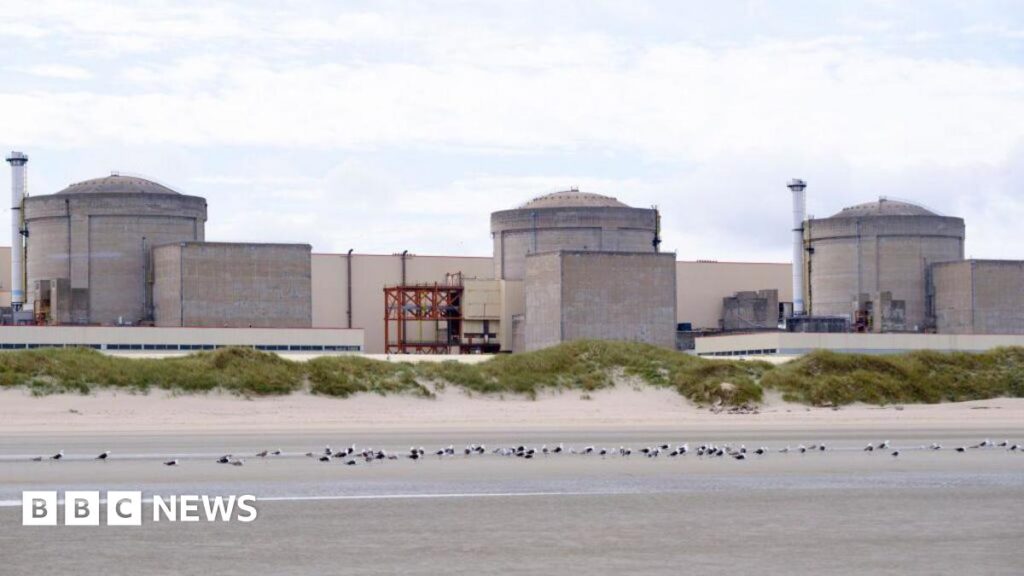
On 24 August 2026, EDF announced that the Gravelines nuclear station, France’s largest nuclear complex with six reactors, would operate at 60 % capacity after a sudden influx of moon jellyfish (Aurelia aurita) clogged the cooling‑water intake. The shutdown lasted for eight hours, after which technicians cleared the screens and resumed normal output.
The incident mirrors a similar event in August 2025, when a comparable bloom forced a three‑day reduction in power. EDF’s internal report, quoted by Le Monde, estimates that each hour of reduced generation costs the grid operator about €1.2 million in lost revenue and forces reliance on more expensive gas peakers.
Energy security and market knock‑on effects
France’s nuclear fleet supplies roughly 70 % of the country’s electricity, so any dip in output reverberates across the European grid. With the continent still tightening its reliance on renewables, a shortfall at Gravelines pushes neighboring countries to import additional power, often from gas‑fired plants in the Netherlands or the United Kingdom.
The timing is critical: Europe is in the midst of a winter‑fuel‑price squeeze caused by reduced Russian gas flows. Even a modest, unplanned loss of nuclear capacity raises wholesale electricity prices, which in turn inflates the cost of industrial production and household bills across the EU. Analysts at BloombergNEF warn that repeated marine‑bio‑incidents could erode confidence in nuclear as a stable baseload source.
What this means for Africa’s energy landscape
African countries that import electricity or gas from Europe—especially Morocco, Algeria and South Africa’s energy‑trading arms—watch these disruptions closely. Higher European electricity prices can make renewable‑energy PPAs (power purchase agreements) more attractive for African exporters, potentially opening new revenue streams for solar farms in the Sahel and wind projects off the coast of Kenya.
At the same time, nations planning their own nuclear programmes, such as Egypt’s El‑Dabaa plant and Nigeria’s tentative nuclear roadmap, are forced to reckon with marine‑environment risks. The Gravelines case underscores the need for robust intake‑screen designs and real‑time marine‑monitoring systems, areas where African research institutes are beginning to specialise. The University of Cape Town’s Oceanography department, for instance, has secured a €4 million grant to develop AI‑driven jellyfish‑forecast models that could be licensed to future nuclear operators.
Mitigation, policy and the road ahead
EDF has pledged to invest €150 million over the next three years in upgraded filtration technology and automated sonar detection of jellyfish swarms. The French Ministry for the Ecological Transition is also drafting new guidelines that would require all coastal nuclear sites to conduct annual risk assessments for marine fauna.
Beyond engineering fixes, experts argue that long‑term solutions lie in ecosystem management. Reducing nutrient runoff, protecting jellyfish predators such as sea turtles, and restoring coastal wetlands can blunt bloom intensity. A joint European‑African research consortium, launched in early 2026, aims to map jellyfish hotspots using satellite data, offering a template for shared climate‑adaptation strategies.
Quick Answers
Why did jellyfish cause a shutdown at the Gravelines nuclear plant?
Jellyfish clogged the seawater intake screens, reducing cooling flow below safety limits, which forced operators to cut output.
How could this incident affect electricity prices in Europe?
Reduced nuclear output pushes the grid to rely on costlier gas plants, lifting wholesale electricity prices across the continent.
What relevance does the Gravelines shutdown have for African energy projects?
It highlights marine‑bio risks for coastal nuclear sites and spurs African research into jellyfish forecasting, while higher European prices can boost demand for African renewable power exports.
Source: www.bbc.co.uk




💬 Comments 0