Jesús Owono receives 12‑game ban, trains alone at FC Andorra after Spanish player’s death in 2026
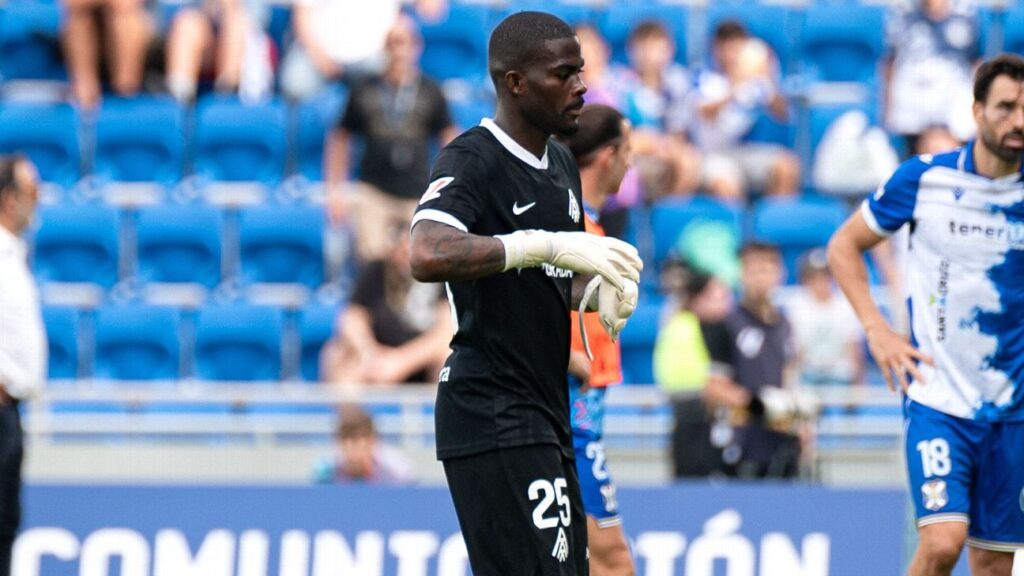
Background: Who is Jesús Owono and what sparked the controversy
Jesús Owono, a 23‑year‑old goalkeeper for FC Andorra, grew up in the Catalonia region but traces his roots to Equatorial Guinea. He broke into the first team last season after years in the club’s youth academy and quickly became a fan favourite for his reflexes and composure under pressure. On 12 October 2026, during a Segunda División match against CD Lugo, a tragic collision in the penalty area led to the death of 19‑year‑old Spanish forward Carlos Méndez, a shock that reverberated across Spanish football.
The incident unfolded in the 78th minute when Owono rushed out of his goal to challenge for a loose ball. Video footage showed a high‑speed clash between the two players, after which Méndez collapsed and was later pronounced dead from a severe head injury. While on‑field officials initially ruled the contact accidental, a subsequent investigation by the Royal Spanish Football Federation (RFEF) examined whether the goalkeeper’s actions breached safety protocols.
The 12‑game suspension: why the league acted
On 20 October 2026, the RFEF’s disciplinary committee handed Owono a 12‑match ban, citing “reckless conduct” that endangered the life of an opponent. The ruling, announced in a brief statement, noted that the goalkeeper left his line without sufficient regard for the safety of the striker, a breach of Article 12.2 of the competition’s disciplinary code. The sanction also includes a fine of €30,000 and a mandatory psychological assessment before he can be cleared to play again.
Legal experts have pointed out that the ban is among the harshest ever imposed for a non‑intentional collision in Spanish football. According to a report by Marca, the federation wanted to send a clear message that player safety must be paramount, especially after a series of high‑profile injuries in Europe’s lower leagues. The decision has sparked debate among clubs and player unions about proportionality and the need for clearer guidelines on goalkeeper challenges.
Training in isolation: mental and professional impact
Since the suspension, Owono has been seen training alone at the club’s facilities in Andorra‑la‑Vella, a routine that contrasts sharply with the usual squad sessions. Sources close to the team say the goalkeeper prefers solitary drills while he works through the psychological assessment required by the federation. “He’s focusing on his reflex work and mental preparation,” a club physiotherapist told El Periódico, adding that the isolation helps him avoid the media pressure that has been mounting since the incident.
Sports psychologists note that such solitary training can be a double‑edged sword. While it offers a safe space for reflection, it can also amplify feelings of guilt and anxiety. Owono’s agent, who declined to be named, reportedly arranged for a sports‑mental health specialist to accompany the goalkeeper during his sessions, emphasizing that the player’s well‑being is a priority for both the athlete and FC Andorra.
What it means for FC Andorra and Piqué’s project
FC Andorra, owned by former Barcelona star Gerard Piqué, has been building a reputation as a springboard for young talent. The club’s recent promotion to the Segunda División was hailed as a milestone, and Owono’s ban threatens to destabilise the squad’s defensive stability at a crucial stage of the season. In the three matches since his suspension, Andorra has conceded an average of 1.8 goals per game, a sharp rise from the 0.9 average before the incident.
Piqué, who frequently uses his social media platforms to discuss club affairs, posted a brief statement on 22 October 2026 expressing “deep sadness over the tragic loss of Carlos Méndez and full support for the ongoing investigation.” Analysts suggest that the club may need to invest in a short‑term goalkeeper solution, potentially recalling a loaned player from the Spanish third tier, to maintain its push for a top‑half finish.
African diaspora perspective: representation and scrutiny
Owono’s heritage has sparked conversations within the African‑European diaspora about visibility and accountability. As one of the few professional footballers of Equatorial Guinean descent playing in a European league, his actions are closely watched by fans in Central Africa and by the growing community of African migrants in Spain and France. A tweet from a Lagos‑based football forum highlighted how “the narrative often shifts from a tragic accident to a ‘black goalkeeper’ story,” underscoring concerns of implicit bias in media coverage.
Local NGOs in Madrid, such as the African Sports Alliance, have called for a balanced reporting approach that separates the player’s ethnicity from the disciplinary facts. They argue that while Owono must face the consequences of the RFEF’s ruling, the broader African football diaspora should not be reduced to a single incident. The episode also opens a dialogue on how clubs can better support players of diverse backgrounds when they face high‑profile controversies.
Looking ahead: appeals, reforms and the wider lesson
Owono’s legal team has lodged an appeal with the RFEF’s Appeal Committee, requesting a reduction of the suspension on the grounds that the collision was “unavoidable” and that the initial disciplinary report lacked expert medical testimony. The appeal is scheduled for a hearing on 5 December 2026, and if successful, could see the ban shortened to six matches, aligning with precedents set in similar cases.
Beyond the individual case, the incident has reignited calls for stricter safety protocols in lower‑division football. The Spanish Footballers’ Union (AFE) has proposed mandatory head‑injury training for goalkeepers and outfield players alike, a measure that could mitigate future tragedies. For FC Andorra, the next few weeks will be a test of resilience: the club must balance competitive ambitions, the emotional toll on its squad, and the broader conversation about player safety and representation.
Quick Answers
Why was Jesús Owono banned for 12 games?
The RFEF ruled that his challenge on Carlos Méndez was reckless and violated safety rules, leading to a 12‑match suspension and a €30,000 fine.
How is the ban affecting FC Andorra’s season?
Without Owono, Andorra’s defense has weakened, conceding more goals and risking a slip in the league table as they search for a temporary goalkeeper.
Does Owono’s African heritage influence the media coverage?
Observers say his Equatorial Guinean background has added a layer of scrutiny, prompting diaspora groups to call for fair reporting that separates ethnicity from the disciplinary facts.
Source: www.espn.com
💬 Comments 0