Pep Guardiola embarrassed to turn down Italy job, says national team next step in 2026 interview
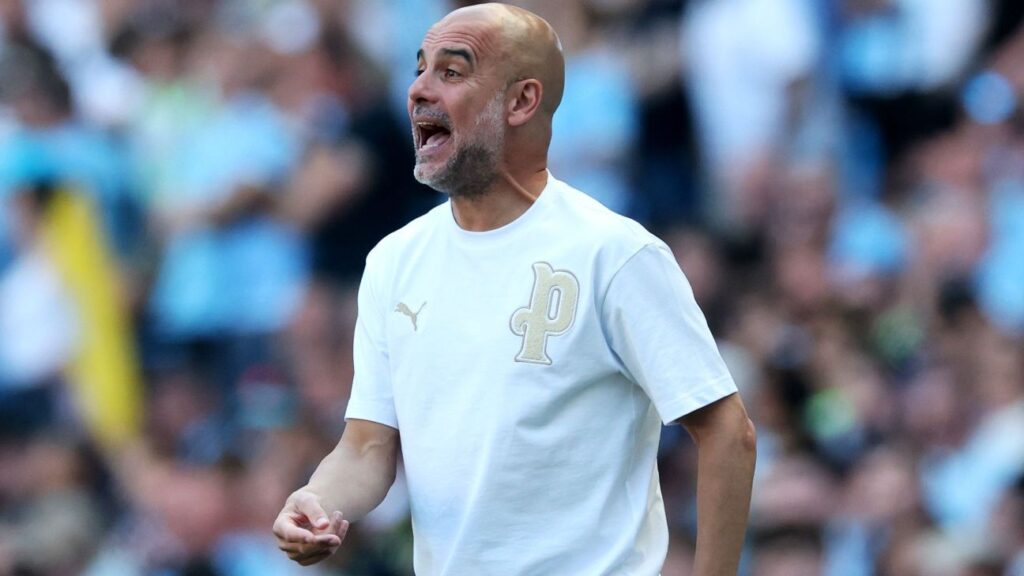
Pep’s résumé and the unexpected Italy offer
When Pep Guardiola confirmed he had been approached by the Italian Football Federation (FIGC) to become the senior national team coach, the football world buzzed. The 53‑year‑old Spaniard, who has collected league titles in Spain, England and Germany, is widely regarded as the modern architect of tactical innovation. The FIGC’s overture reportedly came after Italy’s disappointing exit from the Euro 2024 quarter‑finals, a result that left the nation scrambling for a fresh direction.
In a candid interview with Sky Sports, Guardiola described the invitation as an “honour” but also said he felt “embarrassed” to turn it down. He explained that the timing conflicted with his ongoing commitments at Manchester City, where he is still overseeing a squad that is chasing a historic treble. Yet, he hinted that a future national‑team role remains on his radar, stating he would “love to do it with a national side” when the moment is right.
Why a top club coach declining a national job matters
Guardiola’s refusal underscores a broader shift in the hierarchy of football management. Historically, elite club coaches have viewed national‑team appointments as a capstone to their careers – a chance to leave a legacy on the world stage. In recent years, however, the opposite trend has emerged, with managers such as Didier Deschamps and Joachim Löw staying at the helm for a decade or more, while club coaches are reluctant to trade day‑to‑day training for the intermittent nature of international fixtures.
The decision also sends a signal to federations about the bargaining power of elite coaches. If a manager of Guardiola’s stature can walk away without jeopardising his reputation, federations may need to rethink their recruitment strategies, offering longer contracts, greater influence over player selection, or even co‑management structures that blend club‑level tactics with national identity.
African coaching talent and the ripple effect
Guardiola’s comment about a future national‑team role opens a window for African coaches who have long been under‑represented at the highest echelons. While Africa has produced legends on the pitch, its managerial bench remains largely invisible on the global stage. Recent successes of African‑born coaches such as Joseph Koto (Cameroon) and Gernot Rohr (Nigeria) have shown that tactical acumen can thrive beyond Europe’s traditional powerhouses.
Italy’s search for a new boss could, intentionally or not, broaden the pool of candidates. The country has a growing contingent of African‑origin players – Samir Handanović’s son, for example, and several promising midfielders from the Nigerian diaspora – who could benefit from a coach attuned to multicultural squads. Moreover, a high‑profile appointment of an African manager to a top European national side would echo the breakthrough of Didier Deschamps, who was once a player of African descent, and could inspire federations across the continent to look beyond Europe for fresh ideas.
The trend of club giants eyeing national‑team jobs
Guardiola is not alone in flirting with the idea of a national‑team stint. In the past twelve months, Jürgen Klopp, Zinedine Zidane and even former Manchester United boss Ole Gunnar Solskjær have been linked to international vacancies. The allure lies in the chance to shape a country's footballing philosophy, something that club managers can only influence indirectly through transfers.
What this trend reveals is a growing convergence between club and country tactics. Modern football demands that national sides adopt sophisticated pressing systems, positional rotations and data‑driven analysis – tools that elite club coaches have refined. Consequently, federations are more willing to hire managers who can import these methodologies, while coaches weigh the prestige of a World Cup against the day‑to‑day grind of club football.
What’s next for Italy and for Guardiola
With Guardiola out of the picture, the FIGC is expected to accelerate its search for a successor. According to La Gazzetta dello Sport, names such as former Juventus boss Massimiliano Allegri and ex‑Portugal assistant coach Nuno Espírito Santo are circulating, but the federation has also hinted at “thinking outside the box” – a phrase that could open doors to non‑European candidates or former players turned coaches.
For Guardiola, the focus remains on Manchester City’s upcoming season and the Champions League campaign. Yet, his public acknowledgement of a future national‑team ambition keeps the door ajar. Analysts suggest that a post‑World Cup window in 2028, when Italy and several other nations will be looking for a new direction, could be the ideal moment for the Spaniard to make a move, especially if he wants to cement a legacy beyond club football.
Quick Answers
Why did Pep Guardiola turn down the Italy national team job?
He said he felt embarrassed to decline but cited his current commitments at Manchester City and the timing as reasons, while keeping the option of a future national‑team role open.
What impact could Guardiola’s decision have on African coaches?
His openness to a national‑team future may encourage federations to broaden their candidate pool, potentially creating more opportunities for African managers who have proven their tactical abilities.
Who are the likely candidates to replace Italy’s coach after Guardiola’s refusal?
Reports suggest names like Massimiliano Allegri, Nuno Espírito Santo and possibly non‑European coaches are being considered, though the FIGC has not confirmed any shortlist.
Source: www.espn.com




💬 Comments 0