Jesus Owono’s heartfelt statement after Tenerife forward Jesus de Miguel’s death in 2026 – impact on African football
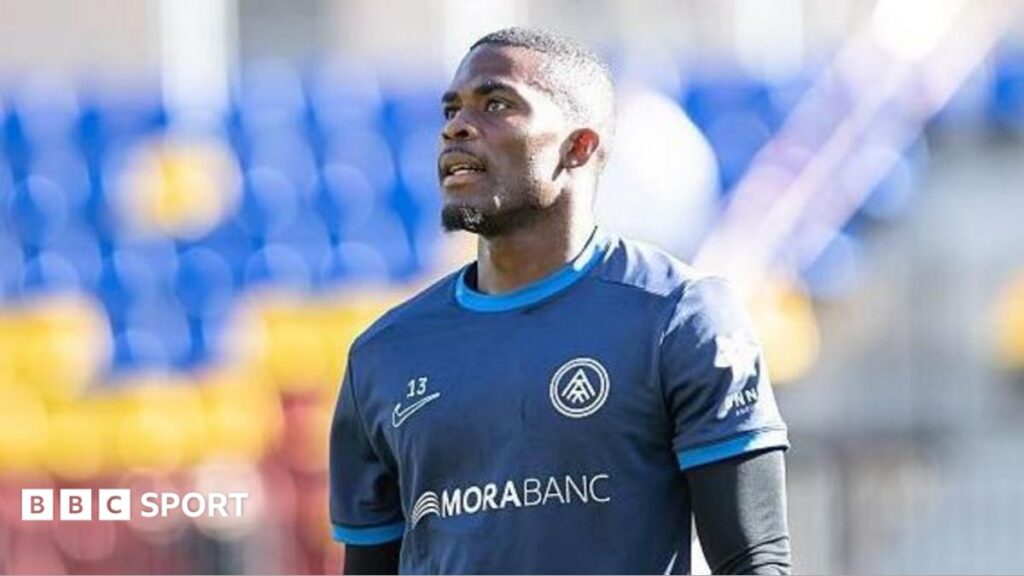
Who were the players and what happened?
On 2 November 2026, Spanish Segunda División side CD Tenerife forward Jesús de Miguel was found dead in his home in Santa Cruz de Tenerife, a shock that sent ripples through the lower‑league football community. The 27‑year‑old had been a regular starter for Tenerife, known for his pace on the wing and his charitable work in the Canary Islands.
Just a few weeks earlier, FC Andorra’s goalkeeper Jesús Owono – a 22‑year‑old international for Equatorial Guinea – had faced his own personal challenges after a series of injuries kept him out of the starting XI. The tragedy struck while Owono was on a short break in Andorra, where his club had been preparing for a crucial league match against Tenerife.
FC Andorra released a joint statement on 3 November, featuring Owono’s own words of sorrow. He described the loss as “the most difficult days of my life,” expressing both grief for his colleague and solidarity with de Miguel’s family and teammates.
Owono’s message and why it resonated
Owono’s statement went beyond a simple condolence; he spoke openly about the emotional toll of losing a fellow professional, noting that the football world is “a family that shares triumphs and tragedies alike.” His candidness about feeling “broken” struck a chord on social media, where fans and fellow players shared similar stories of loss.
The goalkeeper also highlighted the need for mental‑health support, urging clubs to provide counselling for players dealing with grief. This call echoed earlier appeals from players in the Premier League and Ligue 1, showing a growing willingness among athletes to discuss mental well‑being without stigma.
For African fans, Owono’s openness was particularly powerful because he represents a growing cohort of African talent in Europe who often navigate cultural isolation. His willingness to speak in his native language during a televised interview later that week reinforced the message that grief knows no borders.
Why the incident matters for African football and the diaspora
Owono is a key figure for Equatorial Guinea, a nation that has struggled to gain visibility on the global stage. His emotional response placed the country’s football community in the international spotlight, prompting the Equatoguinean Football Federation to issue a statement of solidarity and to pledge financial assistance for the families of both players.
The tragedy also highlighted the precarious position of many African players who ply their trade in lower European leagues. Unlike top‑tier stars, they often lack comprehensive welfare packages, making personal crises harder to manage. Owono’s call for better mental‑health resources could push leagues such as the Spanish Segunda División to adopt policies similar to those already in place in the English Championship.
Diaspora organisations in Spain and France have already begun fundraising drives for de Miguel’s family, with several African community groups joining the effort. This cross‑community support underscores how African diaspora networks can mobilise quickly in moments of crisis, reinforcing a sense of belonging that transcends club loyalties.
A broader pattern of player welfare concerns in lower leagues
The death of Jesús de Miguel adds to a worrying list of recent incidents that have exposed gaps in player welfare across Europe’s second‑tier competitions. In 2024, a Belgian First Division B midfielder suffered a fatal heart attack during training, prompting the Belgian FA to mandate on‑site medical teams for all clubs. Spain has yet to implement a comparable rule, despite growing pressure from player unions.
Mental‑health advocates point out that the isolation felt by players in smaller clubs can be intensified by language barriers, cultural differences, and limited access to club‑run psychologists. A 2025 study by the European Sports Psychology Association found that 38 % of players in leagues below the top flight reported feeling “unsupported” during personal crises.
Owono’s public plea may accelerate discussions within La Liga’s governing body about extending mandatory mental‑health provisions to the Segunda División and Primera RFEF. If adopted, such measures could set a precedent for other leagues in Africa and elsewhere, where resources are often scarcer.
What comes next – support, policy and remembrance
In the immediate aftermath, FC Andorra announced a partnership with a Spanish mental‑health charity to offer counselling to all its players, staff and their families. The club also pledged to organise a memorial match later in the season, with proceeds earmarked for a scholarship fund for young goalkeepers from Equatorial Guinea.
At the continental level, the Confederation of African Football (CAF) has invited Owono to speak at its upcoming “Player Welfare Forum” in Cairo, slated for early 2027. His experience is expected to inform a draft charter that would require African clubs operating abroad to provide standardized mental‑health support.
Fans and former teammates have already begun a grassroots campaign called “One Goal, One Heart,” which aims to create a digital repository of stories from African players coping with loss. The initiative hopes to turn personal grief into a collective resource that can help future generations navigate similar challenges.
Quick Answers
What did Jesús Owono say after the death of Jesús de Miguel?
He described the loss as “the most difficult days of my life,” expressed deep sorrow for de Miguel’s family, and called for better mental‑health support for players.
Which African national team does Jesús Owono represent?
Owono is the first‑choice goalkeeper for the Equatorial Guinea national team.
How are Spanish clubs responding to player mental‑health concerns after the tragedy?
Several clubs, including FC Andorra, have announced partnerships with mental‑health charities and are pushing for league‑wide counselling mandates.
Source: www.bbc.co.uk




💬 Comments 0