KFC swaps Pepsi for Coca-Cola in U.S. outlets 2026 – what it means for African franchises and the soft‑drink market
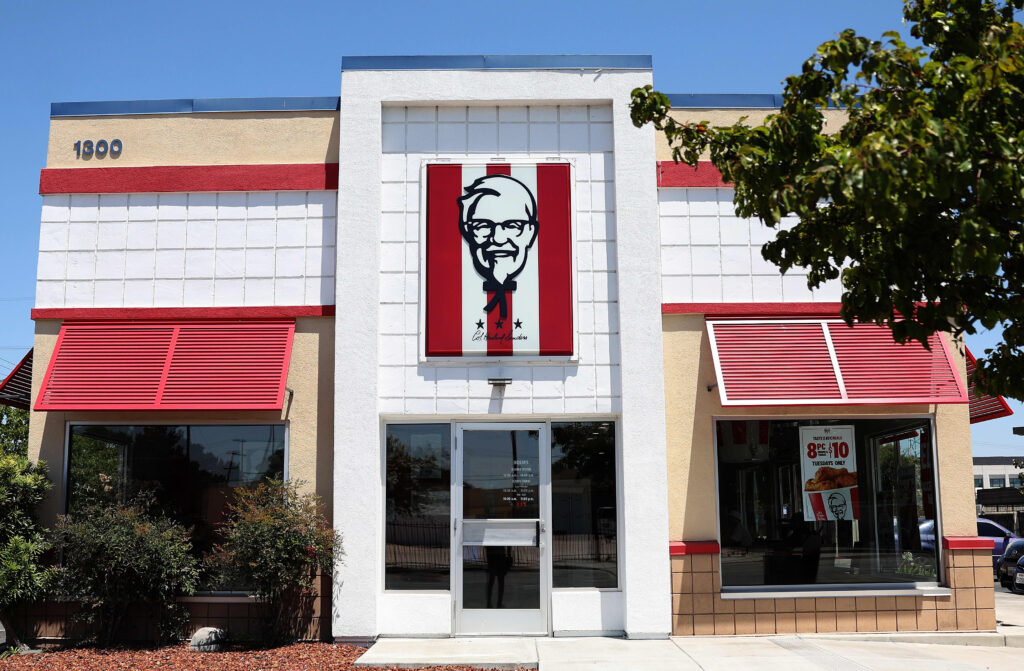
A decades‑long partnership comes to an end
Since the early 1990s, KFC’s U.S. restaurants have served Pepsi‑branded sodas, a relationship that grew out of a broader agreement between Yum! Brands and PepsiCo. The deal covered not only cola but also a suite of flavored drinks and the joint marketing of limited‑edition promotions. Over the years, the partnership became a familiar backdrop to the fast‑food experience, rarely questioned by diners who simply expected a cold Pepsi with their bucket of chicken.
The alliance also extended to many KFC locations outside the United States, where local franchisees often mirrored the U.S. supply chain to simplify logistics. In Africa, for instance, KFC outlets in Nigeria, Kenya and South Africa have historically sourced their soft‑drinks from PepsiCo’s regional bottlers, aligning with the global contract and benefiting from established distribution networks.
Industry observers note that the contract’s expiration in early 2026 presented Yum! Brands with an opportunity to renegotiate terms that reflect today’s market realities, including shifting consumer tastes toward low‑sugar options and the rising cost pressures on franchisees.
Why Coca‑Cola is now on the menu
In a press release issued in July 2026, Yum! Brands announced a multi‑year agreement with The Coca‑Cola Company to become the exclusive beverage supplier for all U.S. KFC restaurants. The deal reportedly includes a broader portfolio of non‑carbonated drinks, such as teas, juices and the newer Coca‑Cola Energy line, giving KFC a more diverse beverage slate than under the Pepsi contract.
Sources say the switch was driven by a combination of financial incentives and strategic alignment. Coca‑Cola offered a higher rebate per unit sold and committed to co‑funding a nationwide “Zero‑Sugar” campaign that dovetails with KFC’s recent menu rollout of grilled chicken and plant‑based options. The partnership also promises joint data‑analytics tools to help franchisees optimise inventory and reduce waste.
Analysts at market‑research firm Euromonitor note that Coca‑Cola’s aggressive push for premium and functional drinks aligns with fast‑food chains looking to capture health‑conscious diners. By partnering with Coke, KFC can tap into the company’s extensive R&D pipeline for low‑calorie beverages, a factor that could become a competitive differentiator in a crowded U.S. quick‑service landscape.
Immediate fallout for U.S. diners and franchisees
The first wave of the transition began in September 2026, with many locations swapping out Pepsi vending machines for Coca‑Cola coolers. Early customer feedback on social media shows mixed reactions: while some fans appreciate the addition of newer Coke products, long‑time Pepsi loyalists have expressed disappointment, prompting a handful of stores to temporarily stock both brands during the changeover.
For franchise owners, the switch entails a logistical overhaul. According to a statement from the National Association of Franchise Owners, many operators had to renegotiate delivery contracts with third‑party distributors and re‑train staff on new equipment. The upfront costs are being offset, however, by the higher rebate structure and the promise of joint promotional funding from Coca‑Cola, which could improve profit margins over the long term.
Pricing is also expected to shift. Industry insiders predict that the competitive bidding process will keep soda prices stable for consumers, but the inclusion of premium Coke variants—such as Coca‑Cola Signature Mixers—could raise average ticket sizes, especially among younger diners who are willing to pay more for perceived quality.
What the switch means for African KFC outlets
Although the new contract applies only to the United States, its ripple effects are already being felt in Africa. KFC’s African franchisees typically align their beverage sourcing with the global agreement, meaning many of them have been purchasing PepsiCo products through regional bottlers in South Africa, Nigeria and Kenya. A change in the U.S. contract forces Yum! Brands to reconsider whether a single global supplier makes sense.
In South Africa, Coca‑Cola dominates the soft‑drink market with a 70% share, while PepsiCo holds roughly 25%. Local bottlers have hinted that Coca‑Cola may now seek to extend its partnership with KFC beyond the U.S., leveraging the new deal to negotiate better shelf space and co‑branding opportunities in African outlets. If successful, this could shift a sizable volume of beverage sales away from PepsiCo, affecting the latter’s revenue streams on the continent.
For Nigerian and Kenyan franchisees, the prospect of switching suppliers raises both opportunities and challenges. On one hand, Coca‑Cola’s extensive distribution network could improve delivery reliability in regions where PepsiCo’s logistics have faced bottlenecks. On the other, renegotiating contracts may entail new minimum purchase commitments and pricing structures that could strain cash‑flow‑tight operations. Industry analysts caution that any transition should be phased carefully to avoid supply disruptions during peak periods such as Ramadan or local festivals.
A broader trend of beverage realignments in fast food
KFC’s move is part of a growing pattern where major quick‑service brands reassess long‑standing beverage partnerships. Earlier in 2026, Burger King announced a limited‑time collaboration with PepsiCo’s new “Bubly” sparkling water line, while McDonald’s reinforced its alliance with Coca‑Cola by launching a joint “Zero‑Sugar” menu across Europe. These shifts reflect a competitive race to capture the expanding low‑calorie and functional‑drink segments that dominate consumer preferences worldwide.
The trend also mirrors the strategic importance of data sharing. Both Coca‑Cola and PepsiCo now offer sophisticated point‑of‑sale analytics that help restaurants fine‑tune product placement and promotional timing. By aligning with Coke, KFC gains access to the company’s “Coke Studio” platform, which integrates sales data with social‑media listening tools—a capability that could be replicated in African markets where digital penetration is rising rapidly.
From a macro‑economic perspective, the beverage swaps illustrate how multinational corporations leverage their global reach to negotiate region‑specific deals. The ripple effect on African supply chains underscores the interconnectedness of U.S. corporate decisions and local market dynamics, a reality that African investors and franchisees must factor into their risk assessments.
Looking ahead: possible scenarios for KFC and African partners
In the coming months, Yum! Brands is expected to issue guidance on whether the Coca‑Cola partnership will be extended to its international operations. If the company decides to adopt a unified global supplier, African KFC outlets could see a phased rollout of Coke products, accompanied by joint marketing campaigns that highlight new low‑sugar options tailored to local taste profiles.
Conversely, should Yum! opt for a hybrid model—maintaining PepsiCo in regions where it holds stronger market share—the African franchise network may retain its current beverage lineup. In that scenario, the U.S. switch would serve primarily as a branding experiment, with limited impact on African sales volumes but still offering valuable data on consumer response to healthier soda alternatives.
Regardless of the final arrangement, the episode reinforces the need for African franchisees to diversify their supplier relationships and invest in flexible logistics. By staying attuned to global contract shifts, they can better negotiate favorable terms, protect against supply shocks, and capitalize on any promotional synergies that arise from a new beverage partnership.
Quick Answers
When did KFC start serving Coca‑Cola instead of Pepsi in the United States?
KFC began transitioning to Coca‑Cola in September 2026 after a new multi‑year agreement was announced in July 2026.
Will African KFC restaurants also switch to Coca‑Cola?
Yum! Brands has not confirmed a global rollout yet, but the U.S. switch could prompt negotiations that may lead to a Coca‑Cola partnership in Africa.
How might the beverage change affect KFC customers?
Customers may see a wider range of low‑sugar and premium drinks, while longtime Pepsi fans might experience a temporary shortage of their preferred sodas.
Source: www.cnbc.com

💬 Comments 0