Joseph Kabila named head of new DR Congo rebel coalition, sparking regional security concerns in 2026
Background: Kabila’s political legacy and the rise of M23
Joseph Kabila ruled the Democratic Republic of Congo (DRC) for 19 years after succeeding his father in 2001. His tenure was marked by a fragile peace, intermittent elections, and a mining economy that attracted both foreign investors and illicit actors. While Kabila stepped down after the 2018 vote that brought Félix Tshisekedi to power, his influence within the military and political elite has remained substantial, according to analysts at the International Crisis Group.
The M23 rebel movement, formally known as the March 23 Movement, emerged in 2012 from a mutiny of former national army soldiers who accused the government of failing to implement a 2009 peace deal. Over the past decade, M23 has repeatedly seized towns in North Kivu and Ituri provinces, exploiting ethnic tensions and the lucrative mineral corridors that run through the region. Their control of key mining sites has drawn the attention of multinational corporations and regional powers alike.
In early 2026, a splinter group of former M23 commanders announced the formation of a broader coalition, branding themselves as the “People’s Liberation Front of the East” (PLFE). The coalition’s charter claims to represent a pan‑regional struggle against what they describe as a corrupt, foreign‑backed government in Kinshasa. Sources close to the group say that Kabila’s name was invoked to lend the coalition political legitimacy.
What happened: Kabila’s unexpected appointment
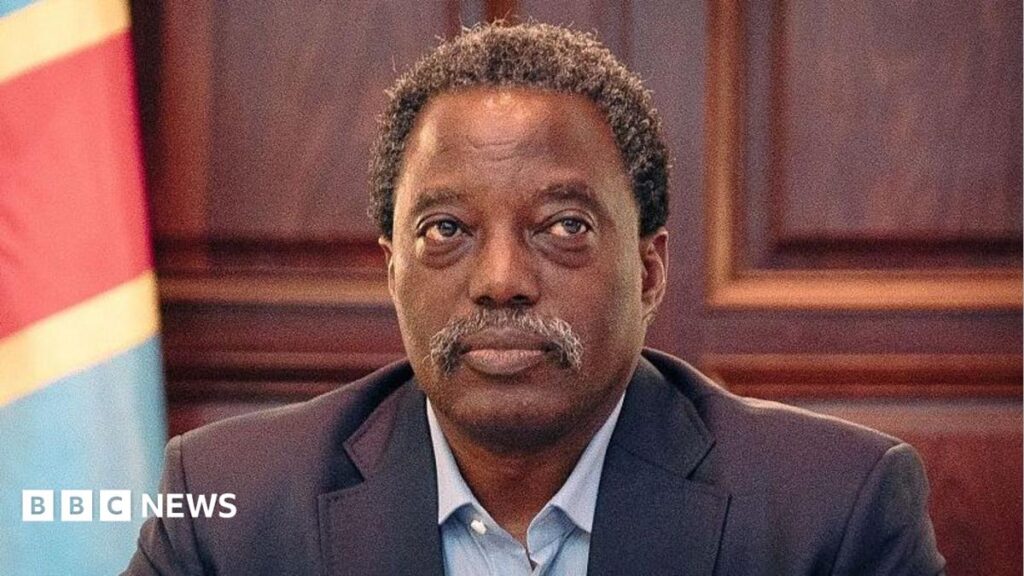
On 9 October 2026, a video released on social media showed senior PLFE commanders announcing Joseph Kabila as the coalition’s political leader. The announcement was accompanied by a statement that Kabila would “guide the fight for true sovereignty and equitable resource distribution.” No official response from Kabila’s office was issued, but his longtime aide, Jean‑Claude Kambale, later told local radio that Kabila had not consented to the role and was being used for “political theatrics.”
The declaration sparked immediate reactions in Kinshasa. President Félix Tshisekedi condemned the move as “a dangerous provocation that threatens the fragile peace we have built,” during a press briefing on 10 October. The United Nations peacekeeping mission (MONUSCO) issued a warning that any escalation could jeopardise the withdrawal timeline set for the end of 2027, as outlined in the latest UN Security Council resolution.
International observers, including the African Union’s Peace and Security Council, called for an urgent diplomatic meeting in Addis Ababa. Reuters reported that neighboring Rwanda and Uganda, both of which have been accused of covertly supporting rebel groups in eastern DRC, are monitoring the situation closely, fearing spill‑over effects on their own border provinces.
Why it matters: Security, economics, and the diaspora
The appointment of a former head of state to a rebel coalition could reshape the security calculus in the Great Lakes region. If Kabila’s extensive network of former army officers and political patrons aligns with PLFE, the group may acquire access to sophisticated weaponry and intelligence that were previously unavailable to insurgents. Security experts at the Institute for Security Studies warn that this could trigger a new wave of attacks on mining convoys, further destabilising the supply chain of cobalt, copper, and coltan—minerals that power global tech industries.
For African investors, the development raises alarm bells. The DRC accounts for roughly 70% of the world’s cobalt production, and any disruption could affect battery manufacturers in Europe and Asia. A Bloomberg analysis released on 11 October estimated that a 10% drop in cobalt output from the eastern provinces could shave $2 billion off global market revenues within a year. African fintech firms that rely on stable commodity prices, such as Nigeria’s Kuda and Kenya’s M-Pesa, may feel indirect pressure through higher transaction costs and currency volatility.
The Congolese diaspora, especially the sizable community in Belgium, France, and the United States, is also watching closely. Many expatriates have invested in family‑run mining ventures or own small businesses that depend on cross‑border trade. Community leaders in Brussels warned that renewed fighting could trigger a new wave of refugees, adding strain to already crowded asylum systems in Europe.
Reactions across the continent: A test for African diplomacy
African Union Chairperson Moussa Faki Mahamat urged member states to “prevent the politicisation of rebel movements.” In a statement to the press, he emphasized that the AU’s “peace and security architecture must not be undermined by personal ambitions of former leaders.” The AU’s Peace and Security Council is slated to convene on 15 October to consider a joint mediation mission involving Tanzania, South Africa, and the DRC’s own mediation team.
Regional NGOs, such as the International Committee of the Red Cross (ICRC) and the Congolese Civil Society Platform, have called for unhindered humanitarian access to the conflict‑affected zones. The ICRC warned that the presence of a high‑profile political figure could make aid convoys a target for both government forces and rebel factions seeking leverage.
Meanwhile, Rwanda’s foreign ministry, through spokesperson Jeanne d’Arc Nyiramahoro, denied any involvement with the PLFE, stating that “Rwanda remains committed to a peaceful, prosperous DRC.” However, analysts note that Rwanda’s previous alleged support for M23 makes the claim difficult to verify, and any perceived backing could reignite long‑standing tensions between Kigali and Kinshasa.
What’s next: Diplomatic pathways and possible outcomes
The immediate priority for Kinshasa is to contain the narrative that Kabila is steering an armed uprising. The government has announced a “strategic communication” task force to counter misinformation and is preparing a legal case to charge the PLFE leaders with treason under the DRC penal code. Legal experts say that prosecuting a former president for alleged rebel leadership would be unprecedented, but could set a powerful deterrent if successful.
On the diplomatic front, the upcoming Addis Ababa summit could produce a joint declaration that re‑affirms the 2023 “Great Lakes Security Pact,” which obliges signatories to coordinate intelligence sharing and border patrols. If the pact is reinforced, it may limit the ability of any external actors to supply arms to PLFE, thereby reducing the coalition’s operational capacity.
Long‑term scenarios range from a negotiated settlement—where PLFE might be integrated into a national dialogue on resource revenue sharing—to an escalation that forces the UN to extend MONUSCO’s mandate beyond 2027. The trajectory will largely depend on whether Kabila’s name remains a symbolic rallying point or translates into concrete command over rebel forces.
Quick Answers
Has Joseph Kabila officially accepted the role as leader of the new rebel coalition?
No official statement from Kabila confirmed his acceptance; his representatives say he has not consented to the appointment.
What impact could the coalition have on the DRC’s cobalt exports?
If the coalition disrupts mining operations, analysts warn that global cobalt supply could fall by up to 10%, affecting battery manufacturers worldwide.
How might the African Union respond to the crisis?
The AU plans to hold a summit in Addis Ababa to discuss a joint mediation effort and possibly reinforce the Great Lakes Security Pact.
Source: www.bbc.co.uk




💬 Comments 0