July US inflation eases to 3.4% YoY as gas and grocery prices fall, Fed rate outlook 2026
The numbers behind July’s inflation dip
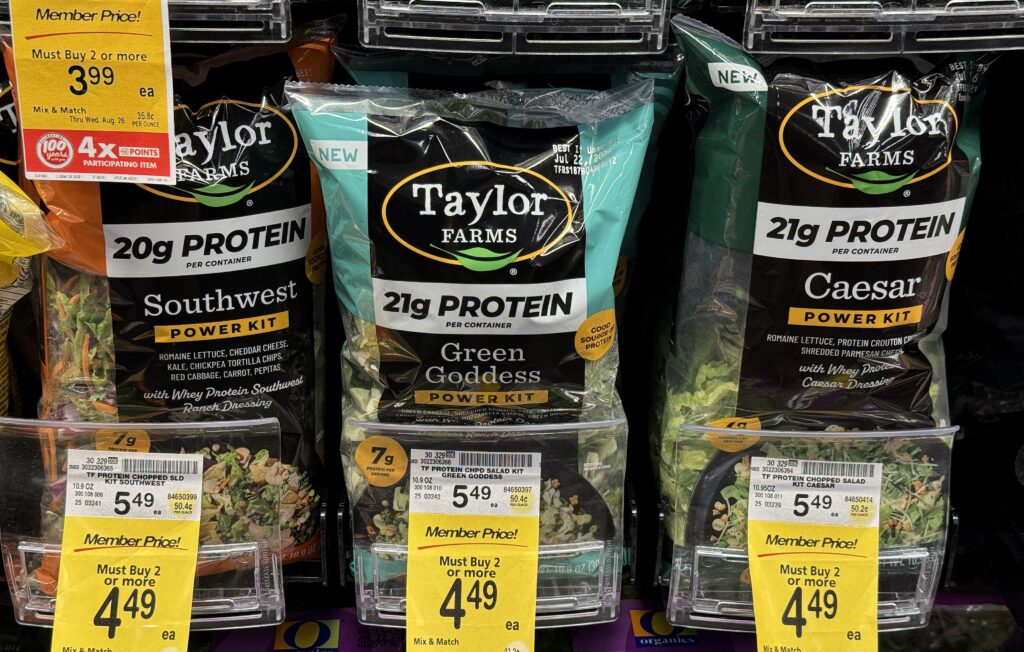
The Bureau of Labor Statistics reported that the Consumer Price Index (CPI) rose 0.2% in July, bringing the annual increase to 3.4% – the lowest pace since early 2022. The slowdown was driven primarily by a 1.8% drop in gasoline prices and a modest 0.4% decline in grocery costs, both of which had been stubbornly high in the preceding months.
Core inflation, which strips out food and energy, still rose 4.0% year‑on‑year, indicating that underlying price pressures remain elevated. Nevertheless, the headline figure’s decline signals that the worst of the post‑pandemic price surge may be receding, a trend analysts have been watching closely since the Fed’s aggressive rate hikes began in 2022.
Economists note that the July data also showed a slight easing in rent growth and a marginal slowdown in used‑car prices, further softening the overall inflation picture. While the headline number is encouraging, the persistence of core inflation means policymakers will still have to weigh the risk of premature rate cuts.
What the Federal Reserve’s next move could look like
The Federal Open Market Committee is scheduled to meet in September 2026. With headline inflation now under the Fed’s 2%‑4% target range, many market participants expect the central bank to hold rates steady, at least for the next meeting. A pause would give the Fed time to assess whether the current slowdown is durable or merely a temporary blip caused by lower energy prices.
Some officials, however, have warned that core inflation’s resilience could force a “higher‑for‑longer” stance. According to a senior Fed economist quoted by Bloomberg, the committee is unlikely to consider a rate cut before the end of 2026 unless core inflation drops below 3.5% for several consecutive months.
The decision will also be shaped by the labour market. Wage growth remains solid, and unemployment is hovering near historic lows. If pay gains continue outpacing price increases, the Fed may feel justified in maintaining a restrictive policy to prevent a wage‑price spiral.
Why the US inflation trend matters for African economies
African countries that borrow in dollars feel the ripple effect of US monetary policy directly. A pause or slowdown in Fed rate hikes usually translates into lower borrowing costs for sovereigns and corporates that have issued dollar‑denominated debt. For nations like Nigeria, Kenya, and Ghana, this could ease debt‑service pressures that have been tightening as the dollar has strengthened over the past two years.
Commodity exporters also watch US inflation closely. A softer inflation picture often eases expectations of a tighter monetary stance, which can keep the dollar from appreciating further. A weaker dollar tends to boost demand for African commodities such as copper, cocoa, and oil, supporting export revenues and, by extension, fiscal balances.
Conversely, a prolonged period of low US inflation could encourage the Fed to shift toward rate cuts later in 2026. That scenario might trigger capital outflows from emerging markets as investors chase higher yields elsewhere, a pattern that has repeated after past US easing cycles.
Implications for the African diaspora and remittances
Remittance flows to Africa are heavily influenced by exchange‑rate dynamics. A stable or slightly weaker dollar, which could follow a Fed pause, would improve the purchasing power of money sent from the United States to relatives in Africa. The World Bank estimates that remittances to Sub‑Saharan Africa reached $68 billion in 2025, and even a 2% gain in real value would mean an extra $1.4 billion for households.
Diaspora investors also monitor US inflation because it affects the valuation of US‑listed stocks and ETFs that many Africans hold through offshore brokerage accounts. A slowdown in inflation reduces the likelihood of a sharp rate hike, which historically supports equity markets. This could buoy the performance of technology and consumer‑discretionary shares that dominate many diaspora portfolios.
At the same time, lower US inflation could spur the Fed to consider quantitative easing later in the year. If that happens, the dollar might weaken further, prompting some diaspora savers to convert their dollars into local currencies now to lock in higher exchange rates before any reversal.
Looking ahead: what to watch in the coming months
The next CPI release in September will be a litmus test for whether July’s dip was an anomaly or the start of a sustained deflationary trend. Analysts will be paying particular attention to the energy component, which still accounts for roughly 15% of the CPI basket, and to shelter costs, which have been a major driver of inflation in many African cities.
Investors should also monitor the Fed’s “dot‑plot” guidance, which reveals each policymaker’s outlook for future rate moves. A shift toward a more dovish stance could trigger a rally in emerging‑market bonds, while a hawkish consensus would keep financing costs high for African governments still grappling with debt restructuring.
Finally, African policymakers are likely to adjust their own monetary policies in response. Countries that have pegged their currencies to the dollar, such as Botswana and Mauritius, may find room to ease local rates if the external environment softens, potentially stimulating domestic consumption and investment.
Quick Answers
What was the US inflation rate in July 2026?
The Consumer Price Index rose 3.4% year‑on‑year in July 2026, the lowest annual rate since early 2022.
How could the July inflation dip affect African debt markets?
A pause in Fed rate hikes could lower dollar‑denominated borrowing costs for African sovereigns and corporates, easing debt‑service burdens.
Will the Fed likely raise rates in September 2026?
Most market analysts expect the Fed to hold rates steady in September, using the July data to gauge whether inflation is truly easing.
Source: www.npr.org




💬 Comments 0