Katie Zacharia resigns as White House press secretary after five days amid credential criticism
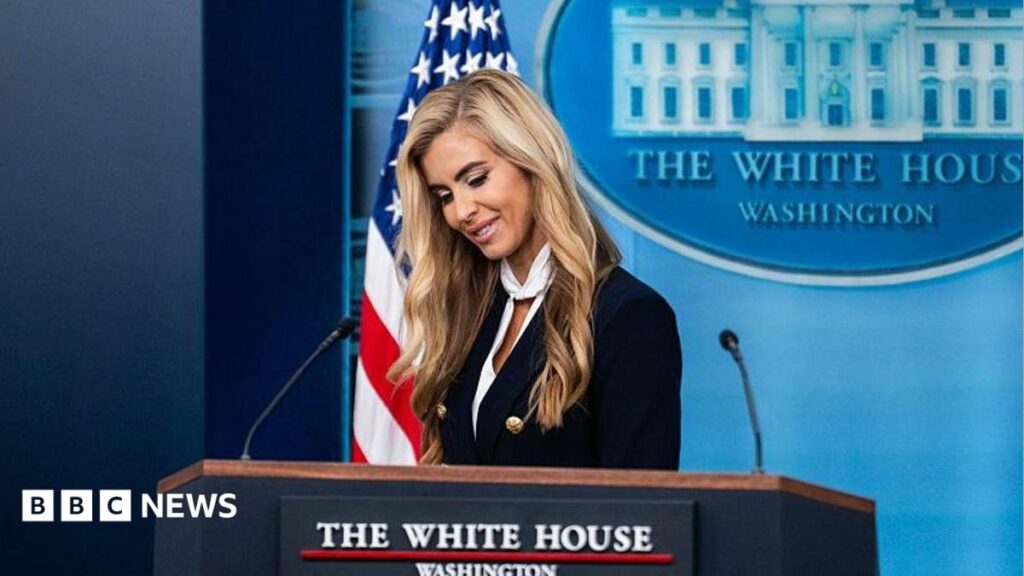
Who is Katie Zacharia and how she landed the job
Katie Zacharia entered the public eye as a former senior aide at the Department of Energy and a long‑time campaign staffer for the current administration. Her résumé lists stints on climate‑policy teams, a brief period as a communications director for a nonprofit, and a graduate degree in public affairs, but she had never held a front‑facing press role at the federal level. When the White House announced her appointment in early October, officials framed her hiring as a move to bring a “fresh perspective” and deeper policy knowledge to the press briefings, a claim echoed by the administration’s communications director at the time.
The decision to elevate Zacharia was also seen as part of a broader effort to diversify the senior staff roster, with the administration highlighting her background as a woman of mixed heritage who grew up in both the United States and Nigeria. That personal narrative was meant to signal a more inclusive approach to messaging, especially on issues that touch the African diaspora. However, the lack of prior experience in daily media relations raised eyebrows among political journalists who regularly cover the White House press corps.
A five‑day stint that sparked a media firestorm
Zacharia’s first and only press briefing on Tuesday was immediately met with a barrage of questions about her familiarity with the daily grind of the briefing room, the nuances of the administration’s policy agenda, and even basic procedural rules. Reporters noted that she stumbled over the timing of a recent executive order and appeared unsure about the administration’s stance on a pending trade dispute with the European Union. Within hours, headlines across U.S. media described the briefing as “unprepared” and “a public relations misstep,” while social‑media users flooded the White House’s official accounts with memes and criticism.
The backlash was not limited to domestic outlets. International news services, including the BBC and Al Jazeera, ran pieces questioning whether the White House had rushed the appointment in a bid to showcase diversity without ensuring the requisite experience. Sources close to the administration, who asked to remain anonymous, said senior staff were “caught off guard” by the intensity of the criticism and that internal confidence in Zacharia eroded quickly. By Friday, the White House announced her resignation, citing “personal reasons” while acknowledging the need for a “more seasoned communications professional.”
What the quick exit says about the White House’s communication game
Zacharia’s brief tenure underscores a growing pattern of rapid turnover in the Biden administration’s communication ranks, a trend that began with the departure of several senior aides in the first two years of the term. Analysts at the Brookings Institution argue that the pressure to balance policy depth with media savvy has become a make‑or‑break factor for press secretaries, especially in an era of 24‑hour news cycles and polarized audiences. When a press secretary appears under‑prepared, the fallout is not limited to a single briefing; it can ripple through the administration’s credibility on all fronts, from domestic legislation to foreign diplomacy.
The episode also highlights the White House’s struggle to reconcile its diversity goals with the practical demands of the briefing room. While the administration has pledged to elevate under‑represented voices, critics say that without a parallel investment in mentorship and on‑the‑job training, such appointments risk becoming symbolic rather than substantive. As one senior journalist in Washington put it, “representation matters, but it must be paired with the tools to succeed in a high‑stakes environment.”
Implications for US‑Africa relations and the diaspora
Zacharia’s Nigerian heritage was initially highlighted as a bridge to African audiences and the growing U.S. diaspora community. Her departure, however, may have unintended diplomatic consequences. African ministries and NGOs that monitor U.S. messaging for consistency have expressed concern that frequent changes at the press secretary level could lead to mixed signals on key issues such as trade, climate finance, and migration policy. According to a senior official at the African Union’s Department of Political Affairs, “stable communication channels are essential for building trust, especially when the U.S. is positioning itself as a partner on the continent.”
For the diaspora, the episode serves as a reminder that representation in Washington does not automatically translate into policy influence. Community leaders in cities like Lagos, Nairobi, and Atlanta have begun calling for more substantive engagement—beyond symbolic appointments—by urging the administration to involve diaspora experts in policy formulation. If the White House can quickly install a seasoned interim press secretary who can articulate consistent positions on Africa‑related matters, it may mitigate some of the reputational damage and reassure both African governments and diaspora constituencies that the U.S. remains a reliable partner.
Quick Answers
Why did Katie Zacharia resign after only five days as White House press secretary?
She stepped down amid intense criticism over her lack of experience and perceived unpreparedness during her first briefing, prompting the White House to seek a more seasoned communications professional.
Who will serve as the White House press secretary after Zacharia’s departure?
The administration announced that a senior communications aide will act as interim press secretary while a permanent replacement is identified.
Does this rapid turnover affect U.S. policy toward Africa?
Frequent changes can disrupt messaging and create uncertainty for African partners and diaspora observers, potentially weakening the consistency of U.S. engagement on the continent.
Source: www.bbc.co.uk




💬 Comments 0