Kelly Clarkson vs. Brooklyn Novelty Shop: Mechanical Bird Row Sparks Retail Fallout in 2026
Background: The novelty shop and the viral mechanical bird
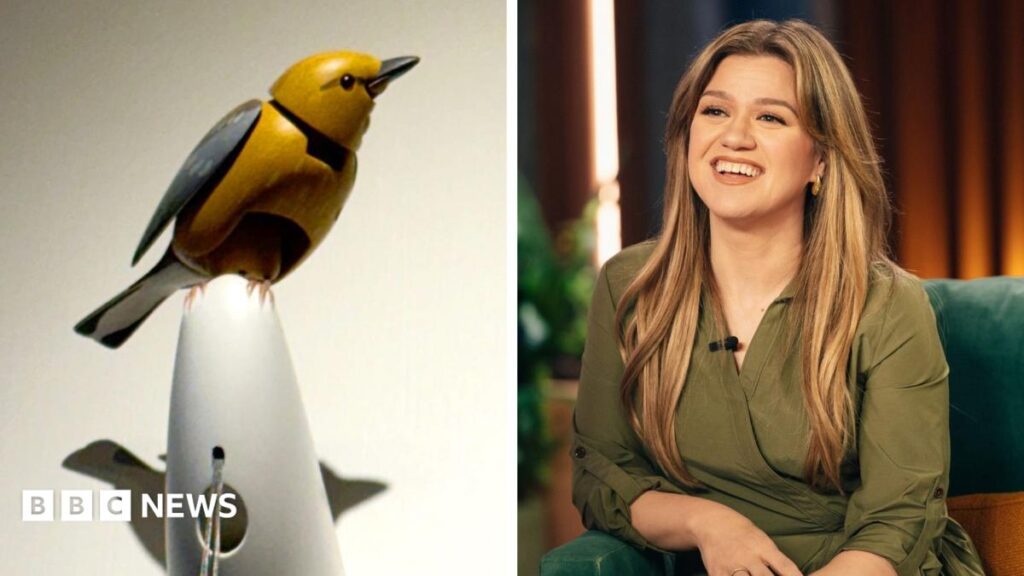
Art of Play, a boutique located in Brooklyn’s Williamsburg district, has built a reputation for curating limited‑edition toys, puzzles and kinetic art pieces that appeal to collectors worldwide. Among its most talked‑about items is a wind‑up mechanical bird produced by a Japanese designer, which became a TikTok favourite earlier this year after a series of slow‑motion videos highlighted its lifelike fluttering wings. The bird’s scarcity and quirky charm drove up demand, prompting fans to line up outside the shop and even travel from other states to secure one before the limited run sold out.
The shop’s social‑media strategy leans heavily on influencer shout‑outs and user‑generated content, a model that has helped small retailers compete with larger online marketplaces. By showcasing items like the mechanical bird in short, shareable clips, Art of Play taps into a global collector community that includes not only American hobbyists but also a growing number of African diaspora enthusiasts who follow niche toy trends on Instagram and Twitter.
The incident: Kelly Clarkson’s complaint and the shop’s response
In early September 2026, pop‑rock star Kelly Clarkson posted a video on her Instagram Stories expressing disappointment after a staff member at Art of Play allegedly refused to let her test‑handle the mechanical bird before purchasing. Clarkson’s clip, which quickly amassed tens of thousands of views, suggested she was treated rudely and implied the shop’s policies were “unfair to fans.” The post ignited a flurry of comments, with some users defending the retailer’s right to enforce its own sales procedures and others rallying behind the celebrity’s expectation of special treatment.
Art of Play later issued a statement saying its employees had been threatened with harassment after the singer’s online criticism, and that the staff were merely following a policy that requires customers to purchase the bird before it can be demonstrated, a rule meant to protect the fragile item from damage. The shop also announced plans to enhance its customer‑service training and to engage a public‑relations firm to manage the growing media attention.
Why it matters: Power dynamics between celebrities and small retailers
The clash highlights a growing tension in the digital age: celebrities wield massive followings that can instantly amplify a grievance, while independent shops lack the resources to mount a coordinated defence. When a high‑profile figure like Clarkson voices a complaint, the resulting online backlash can translate into real‑world threats, as Art of Play reported. This dynamic raises questions about the fairness of holding small businesses to the same service expectations as large chains that have dedicated celebrity liaison teams.
Legal experts note that, although consumers have the right to voice dissatisfaction, targeted harassment of employees can cross the line into unlawful conduct. For retailers, the incident serves as a cautionary tale about the need for clear, publicly posted policies and crisis‑management plans that anticipate the speed at which a single tweet can spiral into a national controversy.
The ripple effect: Implications for African diaspora shoppers and local African‑owned novelty stores
The row is resonating beyond Brooklyn because many African diaspora collectors follow Art of Play’s inventory for rare items that are otherwise unavailable in Lagos, Nairobi or Johannesburg. A recent survey by the African Creative Economy Forum showed that 27 % of African‑based collectors purchase niche toys from U.S. boutiques, often paying high shipping fees. When a celebrity dispute threatens the safety of shop staff, it indirectly jeopardises the supply chain that African fans rely on for these coveted pieces.
Moreover, the incident mirrors challenges faced by African‑owned novelty shops that have recently emerged in cities like Accra’s Osu district and Cape Town’s Woodstock. Those retailers, which also depend on social‑media buzz, risk similar backlash if a local influencer publicly criticises their service. The Brooklyn case therefore acts as a bellwether, prompting African entrepreneurs to formalise customer‑service protocols and to consider legal safeguards against coordinated online harassment.
A broader trend: Celebrity influence on consumer behaviour and the rise of ‘viral product disputes’
Kelly Clarkson’s mechanical‑bird saga is part of a wider pattern where viral moments dictate market demand. In the past two years, disputes over limited‑edition sneakers, designer masks and even specialty coffee blends have caused sudden spikes in both sales and social‑media hate‑speech. Brands that can quickly pivot—by releasing statements, offering refunds or collaborating with the complaining celebrity—often emerge with stronger brand equity, while those that respond defensively may see lasting reputational damage.
For African markets, the trend signals both opportunity and risk. The continent’s burgeoning middle class is increasingly attuned to global pop culture, and viral endorsements can open doors for African designers seeking international exposure. Conversely, the same mechanisms that amplify a celebrity’s complaint can also magnify criticism of African creators, making it essential for businesses to adopt proactive communication strategies and to cultivate resilient community support.
What’s next: Possible outcomes for Art of Play and the wider retail landscape
In the coming weeks, Art of Play is expected to file a police report regarding the threats made against its staff, a move that could set a precedent for how small retailers document and respond to online harassment. The shop also plans to launch a “Collector’s Hotline” to field high‑profile inquiries directly, reducing the chance of future misunderstandings. If the controversy settles without legal escalation, the mechanical bird may see a modest sales rebound as collectors rally in solidarity with the boutique.
Industry observers predict that the episode will encourage more retailers—both in the United States and across Africa—to draft explicit handling policies for fragile, limited‑edition items and to train employees on de‑escalation techniques. At the same time, public‑relations firms are likely to see increased demand from niche shops seeking to navigate the volatile intersection of celebrity culture and social‑media virality. For consumers, the takeaway may be a reminder to temper expectations when dealing with small businesses that operate on thin margins and rely on the goodwill of a global community.
Quick Answers
What was the mechanical bird that Kelly Clarkson complained about?
It is a wind‑up kinetic toy made by a Japanese designer, known for its realistic wing flaps and limited‑edition release in early 2026.
How did Art of Play respond to the backlash?
The shop said staff were threatened after the complaint, reaffirmed its purchase‑before‑demo policy, and announced new customer‑service training and a public‑relations partnership.
What could this dispute mean for small retailers in the US and Africa?
It highlights the risk of celebrity‑driven harassment, prompting shops to formalise policies, improve crisis communication and consider legal protections against coordinated online attacks.
Source: www.bbc.co.uk




💬 Comments 0