Kenya records first Ebola death in 2026 as DRC outbreak spreads to East Africa
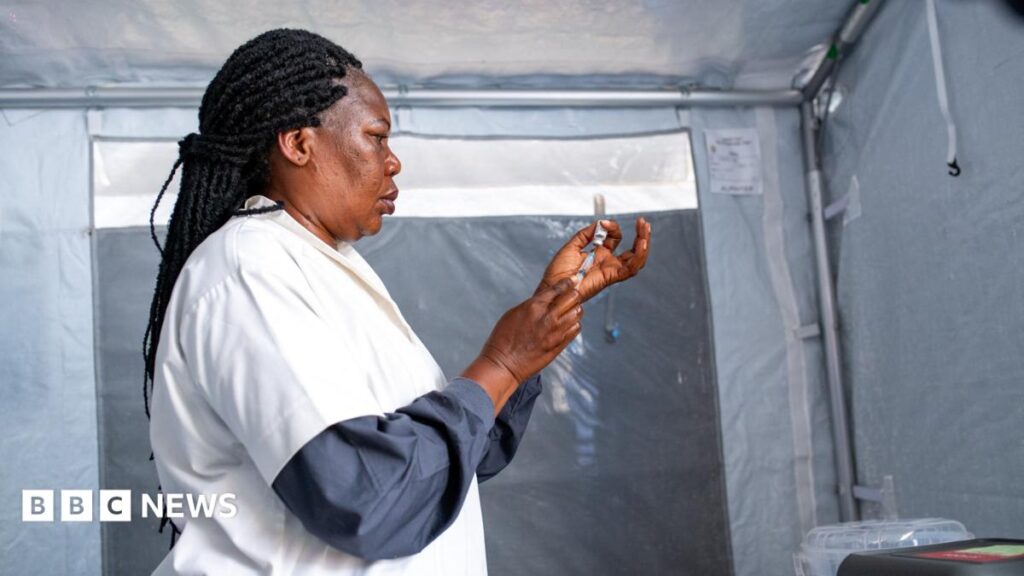
Background: Ebola’s relentless march in the DRC
Since the start of 2026, the Democratic Republic of Congo (DRC) has been grappling with the most lethal Ebola outbreak in the country’s recent history. Official tallies from the World Health Organization put the death toll above 4,000, with dozens of new cases reported each week despite aggressive vaccination campaigns. The virus, a strain of the Zaire ebolavirus, spreads through direct contact with bodily fluids, making containment especially difficult in remote, densely populated regions where health infrastructure is fragile.
The DRC’s health ministry, together with partners such as Médecins Sans Frontières and the African CDC, has deployed mobile treatment units, contact‑tracing teams, and experimental therapeutics. Yet the sheer scale of the outbreak has strained resources, leading to gaps in surveillance along porous borders. Historically, Ebola has leapt across national frontiers in West Africa, but the current east‑central focus raises fresh concerns for neighboring states that share trade routes and migrant flows.
In the months leading up to the Kenyan case, several cross‑border incidents were documented, including a cluster of suspected cases in the Ituri province that spilled into Uganda’s western districts. Those episodes underscored a pattern: the virus does not respect political boundaries, and regional health security hinges on coordinated action, not isolated national responses.
How the virus reached Kenya
The patient who died in Kenya was a 34‑year‑old male who had lived for several years in the North Kivu region of the DRC before returning to Nairobi for work. According to Kenyan health officials, he began showing symptoms in late September, was admitted to a referral hospital, and later tested positive for Ebola virus disease. The diagnosis was confirmed by the Kenya Medical Research Institute (KEMRI) using PCR testing, making it the country’s first recorded Ebola death.
Epidemiologists say the most plausible transmission route was through close family contact after the patient returned home. In Kenya, traditional burial practices and dense urban neighborhoods can accelerate spread, a fact that prompted immediate lockdown of the patient’s immediate community and a rapid rollout of contact‑tracing teams. The Ministry of Health also announced that all passengers arriving from the DRC would undergo mandatory health screenings, a measure that had previously been limited to symptomatic travelers.
The case highlights a broader mobility pattern: thousands of Congolese workers, traders, and refugees cross into Kenya each month via informal routes that skirt official border posts. Those movements, driven by economic necessity, create a hidden network through which pathogens can travel unnoticed. As a result, the Kenyan authorities are now re‑evaluating their border health protocols to address the reality of daily, low‑profile migration.
Why Kenya’s first death matters for the region
Kenya’s status as East Africa’s economic hub means that any outbreak can quickly ripple through trade, tourism, and investment flows. The country handles the majority of imports and exports for the East African Community (EAC), and a perceived health crisis can trigger flight cancellations, cargo delays, and a dip in foreign direct investment. Early market reactions have already shown a modest dip in the Nairobi Securities Exchange’s health‑care index, reflecting investor wariness.
Beyond economics, the human impact is profound. Kenya hosts one of the largest African diaspora communities in the United States and Europe, many of whom maintain close ties with relatives in the DRC. News of a local Ebola death can fuel anxiety among diaspora families, potentially influencing remittance patterns that fund both households and small‑scale enterprises back home. Moreover, the Kenyan diaspora often serves as a bridge for health‑information exchange, meaning that accurate messaging is essential to prevent panic.
The case also raises security considerations. In regions where health emergencies intersect with armed conflict, such as eastern DRC, the risk of misinformation and stigma can exacerbate existing tensions. Kenya’s experience may therefore serve as a bellwether for how other East African nations—Uganda, Rwanda, Tanzania—prepare for spill‑over events, especially as they balance humanitarian assistance with border security.
Kenyan response: challenges and lessons
The Ministry of Health activated its national emergency operations centre within hours of the positive test, deploying rapid response teams to the patient’s neighbourhood and setting up an isolation unit at the referral hospital. However, officials reported shortages of personal protective equipment (PPE) and a limited stockpile of the rVSV‑ZEBOV vaccine, which is only available through the WHO’s emergency use protocol. These gaps mirror the supply constraints that plagued earlier Ebola outbreaks across the continent.
Community engagement emerged as a critical hurdle. In Nairobi’s informal settlements, rumors about “foreign viruses” and distrust of government health workers initially hampered contact‑tracing efforts. NGOs partnered with local religious leaders and youth groups to disseminate culturally sensitive information, a tactic that proved effective in increasing voluntary reporting of symptoms. The episode underscores the importance of integrating social‑behavioral insights into epidemic response, a lesson that regional bodies are now codifying into their preparedness manuals.
Financially, the Kenyan government allocated an emergency fund of 1.2 billion Kenyan shillings (approximately US$10 million) to cover treatment costs, vaccine procurement, and compensation for families of health workers who fall ill. While this demonstrates political will, analysts caution that sustainable financing will require broader regional pooling of resources, perhaps through an East African health‑security fund that can be triggered for cross‑border emergencies.
Looking ahead: containment and cross‑border cooperation
The immediate priority is to contain any secondary transmission in Kenya. Health officials have identified 27 close contacts, all of whom have been placed under supervised quarantine and offered the experimental vaccine where eligible. If the outbreak remains limited to this cluster, the risk of a wider East African epidemic diminishes, but the window for decisive action is narrow.
Long‑term, the incident is likely to accelerate the African Union’s push for a continent‑wide disease‑surveillance network. The African Centres for Disease Control (Africa CDC) has already proposed a real‑time data‑sharing platform that would integrate border health records, laboratory results, and mobile‑phone‑based symptom reporting. Such a system could alert neighboring states the moment a case is confirmed, allowing pre‑emptive measures before the virus gains a foothold.
Finally, the Kenyan case may reshape diplomatic dialogue with the DRC. Both governments have agreed to establish a joint task force that will oversee coordinated vaccination drives along the border, share logistics for sample transport, and conduct joint training for health workers. If successful, this model could be replicated across other high‑risk corridors in Africa, turning a tragic first death into a catalyst for stronger, more resilient health cooperation.
Quick Answers
When was Kenya's first Ebola death confirmed?
Kenya confirmed its first Ebola death on 6 October 2026 after a patient tested positive at a Nairobi referral hospital.
How many Ebola deaths have been reported in the DRC this year?
More than 4,000 people have died from Ebola in the Democratic Republic of Congo in 2026, according to WHO data.
What measures is Kenya taking to prevent further spread?
Kenya has placed 27 close contacts under quarantine, begun vaccination of eligible individuals, and tightened health screenings at borders with the DRC.
Source: www.bbc.co.uk




💬 Comments 0