Kerry Kennedy warns demolition of Washington’s Kennedy Center would be a tragedy – 2026 protest sparks heritage debate
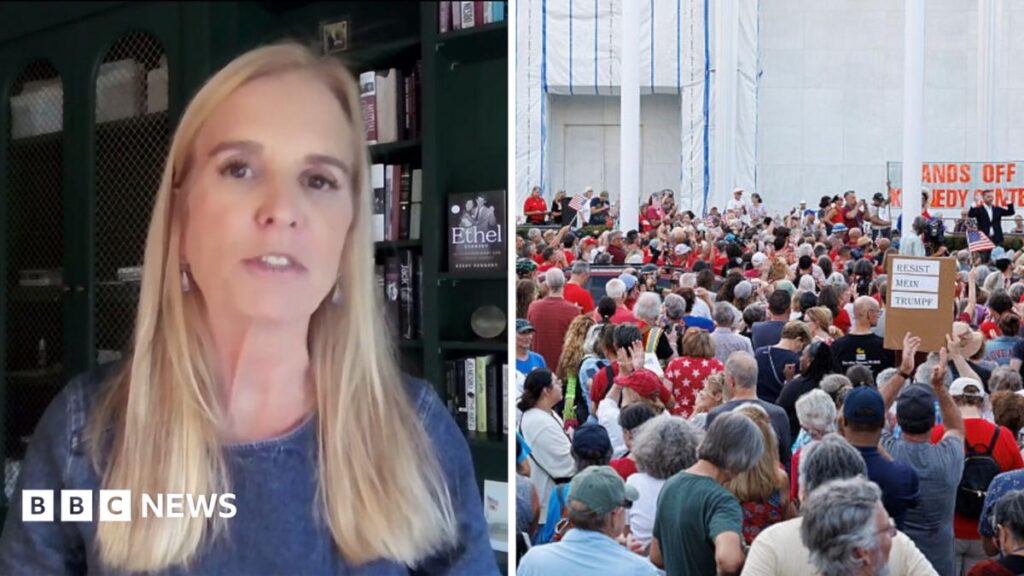
Background: The Kennedy Center’s place in American and global culture
Opened in 1971, the John F. Kennedy Center for the Performing Arts has served as the nation’s premier venue for music, theater, dance and spoken word. Its stages have hosted everything from the National Symphony Orchestra to Broadway tours, and it has become a symbolic space where American cultural policy meets artistic expression.
Beyond its domestic role, the Kennedy Center has long been a gateway for African and African‑diaspora artists to reach U.S. audiences. Musicians such as Angelique Kidjo, Youssou N’Dour and contemporary Afro‑beat groups have performed there, using the platform to showcase African rhythms to a wider public while forging trans‑Atlantic collaborations.
The demolition threat and Kerry Kennedy’s warning
In early September 2026, a development consortium announced plans to replace the aging complex with a mixed‑use high‑rise, citing “financial sustainability” and “modernisation” as justifications. The proposal sparked an immediate outcry from preservationists, artists and the public.
During a BBC interview, Kerry Kennedy – the niece of the late President John F. Kennedy and a long‑time human‑rights advocate – called the plan “a tragedy” and urged lawmakers to protect the venue. She reminded listeners that the Center was built as a living tribute to her uncle’s vision of cultural diplomacy, a vision that still resonates today.
Why the fight matters for cultural heritage worldwide
The Kennedy Center debate highlights a broader tension between commercial development and the preservation of cultural landmarks. When iconic venues are demolished, cities lose not just bricks and mortar but the collective memory that those spaces embody.
For the United States, the loss would echo past controversies such as the demolition of New York’s original Penn Station in the 1960s – a decision still lamented as a catalyst for the modern preservation movement. The Kennedy Center case could reignite calls for stronger legal safeguards for arts institutions across the country.
Echoes in Africa: Heritage sites and creative spaces under pressure
African cities are currently grappling with similar battles. In Lagos, the historic National Theatre faces redevelopment pressures, while Nairobi’s Kenyatta International Conference Centre has been earmarked for commercial expansion. In each case, artists and cultural activists argue that erasing these venues would undermine local creative economies and erase narratives of post‑colonial identity.
The Kennedy Center controversy offers African stakeholders a high‑profile reference point. It demonstrates how international media attention can amplify preservation campaigns, and it underscores the importance of mobilising diaspora networks that can lobby both home‑country officials and foreign investors.
What’s next: Strategies for saving the Kennedy Center and lessons for Africa
Legislators in Washington have scheduled a hearing for late October, where they will hear testimony from artists, historians and urban planners. Preservation groups are preparing a petition that has already gathered over 250,000 signatures, a figure that mirrors the rapid online mobilisation seen in recent African heritage protests.
If the Center is saved, advocates hope the episode will lead to a permanent federal fund for historic arts venues, a model that could be adapted for African governments seeking to protect theatres, galleries and community centres from unchecked commercialisation.
Quick Answers
Why is Kerry Kennedy opposed to demolishing the Kennedy Center?
She says the venue is a living tribute to her uncle’s cultural legacy and that destroying it would erase a key space for artistic exchange.
How could the Kennedy Center demolition affect African artists?
The Center is a major U.S. stage for African musicians; its loss would reduce high‑profile performance opportunities for the continent’s talent.
What steps are being taken to stop the demolition?
Congress will hold a hearing in October, and preservation groups have launched a petition that has already gathered hundreds of thousands of signatures.
Source: www.bbc.co.uk




💬 Comments 0