Kevin Rideout Released in Niger After 2026 Kidnap: Implications for US Aid
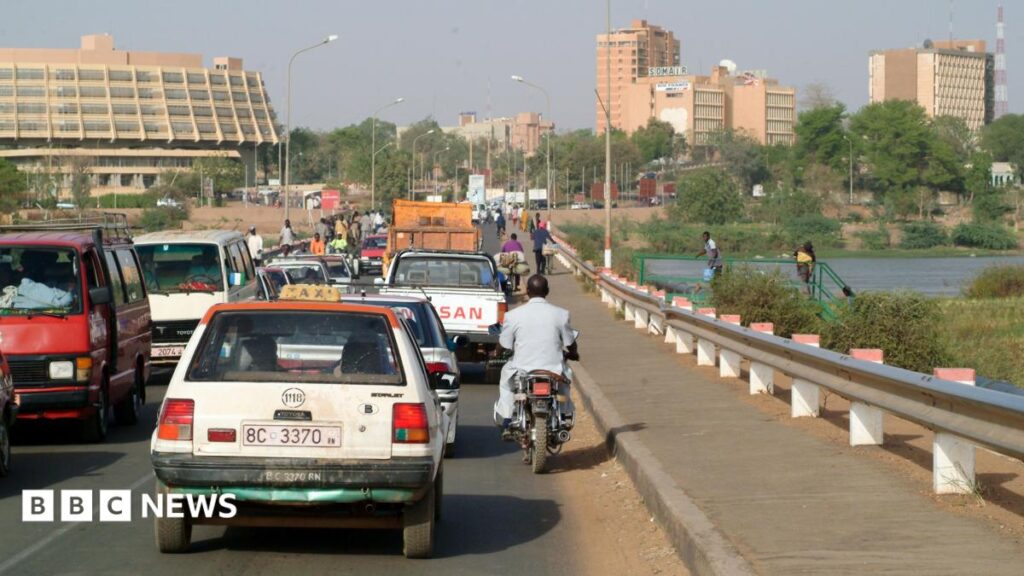
Background: The 2025‑2026 wave of kidnappings in Niger
Since the coup that ousted President Mohamed Bazoum in July 2023, Niger has seen a sharp rise in attacks on foreigners, especially aid workers and religious figures. The Sahel’s security vacuum has emboldened jihadist groups linked to al‑Shabaab and the Islamic State, which have increasingly targeted high‑profile outsiders to extract ransom or political leverage.
Kevin Rideout, a 62‑year‑old missionary from the United States, was abducted on 12 October 2025 while leaving his residence in Niamey. He had been living in the capital for over a decade, running a small vocational program that taught carpentry to local youths. His disappearance quickly entered the headlines of both local outlets like *Le Sahel* and international wire services.
The Release: How US officials secured his freedom
According to a statement released by the US State Department on 13 August 2026, Rideout was handed over to an American diplomatic team after “quiet, coordinated negotiations” with a local intermediary believed to be connected to the kidnappers. The details of the deal were not disclosed, but sources say a combination of ransom payment and a promise of safe‑conduct for the captors in exchange for the missionary’s release was part of the agreement.
Rideout was flown out of Niamey on a US‑military aircraft and taken to a secure facility in Dakar, Senegal, for de‑briefing and medical checks. He issued a brief video message, thanking the US government, his home church, and “the brave men and women on the ground in Niger who risked everything to bring me home.” The statement was picked up by regional broadcasters, sparking mixed reactions among Nigeriens.
Why the rescue matters for Niger’s security landscape
The operation underscores a growing reliance on foreign diplomatic and military assets to resolve hostage crises in the Sahel. While Niger’s own security forces have been stretched thin after the 2023 coup, the US has maintained a modest but strategic presence, mainly through the Combined Joint Task Force – Horn of Africa (CJTF‑HOA) and intelligence‑sharing arrangements.
Analysts at the African Center for Strategic Studies argue that the incident highlights the fragile bargain the transitional government has struck with Western partners: the promise of allowing limited US advisory missions in exchange for tangible security outcomes, such as the safe release of kidnapped foreigners. If such deals become the norm, they could further entrench external actors in Niger’s internal security decisions.
Repercussions for US‑Niger relations and aid programs
The successful rescue is being framed by the Biden administration as evidence that its diplomatic engagement is yielding results, potentially smoothing the way for renewed humanitarian assistance that had been paused after the 2023 coup. Aid agencies like Catholic Relief Services and World Vision have been lobbying for the resumption of food‑security programs that were suspended amid concerns over staff safety.
However, civil‑society groups in Niamey caution that a single high‑profile release should not be taken as a green light for expanding foreign‑led operations. They warn that the precedent of paying ransoms could incentivize more kidnappings, especially if militant groups perceive a steady flow of cash from overseas NGOs or missionary bodies.
Looking ahead: Risks for aid workers, diaspora concerns, and regional trends
For the growing African diaspora community in the US and Europe, Rideout’s ordeal is a reminder that ties to the continent remain vulnerable to geopolitical turbulence. Diaspora NGOs that fund education, health, and faith‑based projects are now reviewing their security protocols, with many planning to adopt stricter travel guidelines and to increase insurance coverage for field staff.
The broader Sahel region—especially Burkina Faso, Mali, and northern Nigeria—continues to experience a surge in kidnapping incidents. Data released by the International Crisis Group in July 2026 shows a 27 % year‑on‑year increase in abductions of foreign nationals across the belt. If the pattern holds, Western governments may have to weigh the cost of deeper engagement against the risk of becoming entangled in local conflicts, a dilemma that will shape aid strategies for years to come.
Quick Answers
Who was the US missionary released in Niger?
The missionary was Kevin Rideout, a 62‑year‑old American who was abducted in Niamey in October 2025 and freed in August 2026.
What led to Kevin Rideout’s release?
US officials negotiated with a local intermediary, reportedly combining a ransom payment and guarantees for the kidnappers, to secure his freedom.
How might this release affect US aid to Niger?
The rescue could encourage Washington to restart or expand humanitarian programs that were paused after the 2023 coup, though critics warn it may also raise the risk of more kidnappings.
Source: www.bbc.co.uk




💬 Comments 0